The Telephony co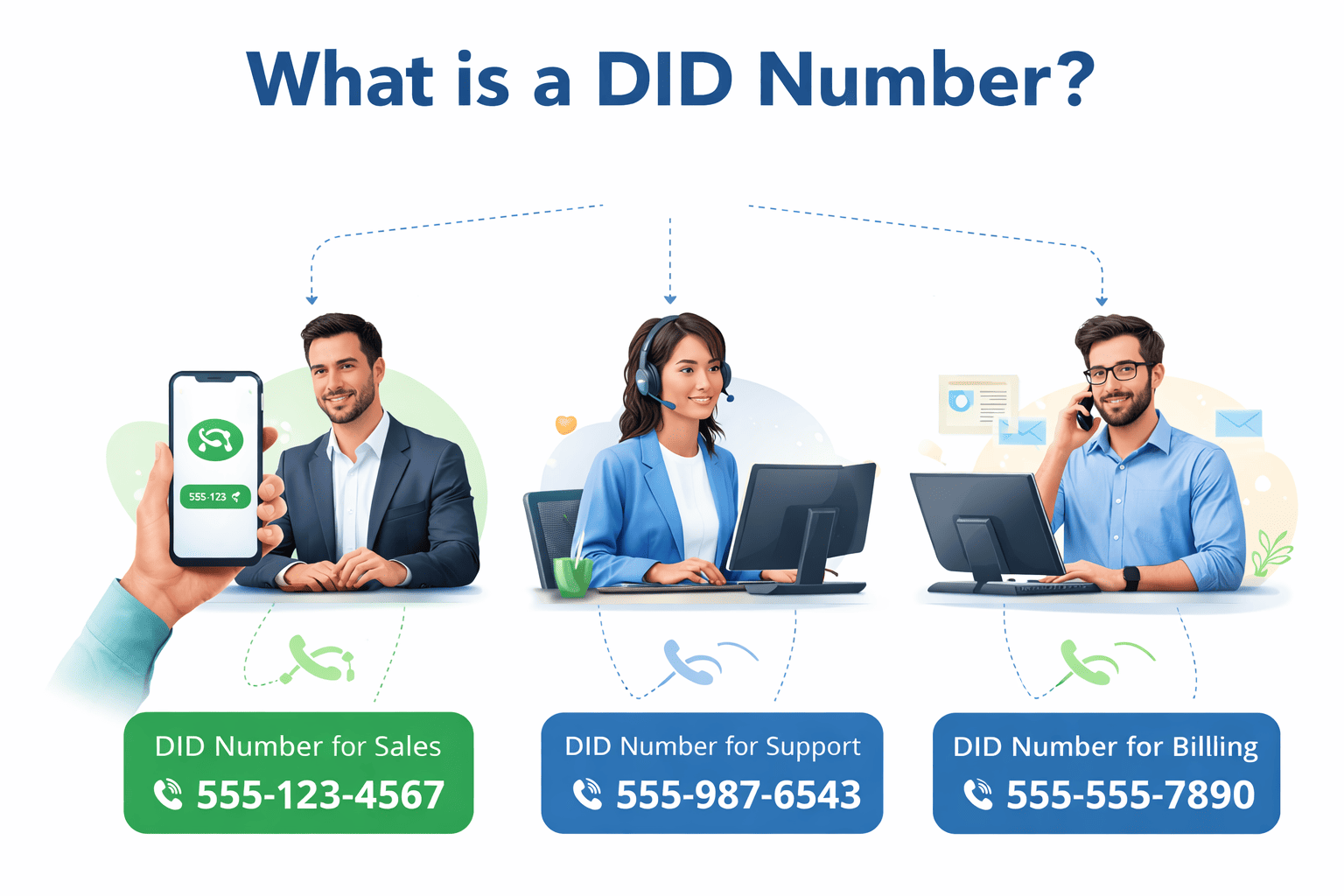
In today’s competitive market, business communication plays a major role in building strong relationships with customers. Every call from a customer can be an opportunity to answer questions, solve problems, or close a sale. However, as businesses grow, handling large volumes of incoming calls becomes more challenging. If calls are not managed properly, companies may miss important opportunities and lose potential customers.
This is where modern communication technologies like cloud telephony and DID numbers become extremely helpful. Instead of using traditional phone systems with limited lines, businesses can now use advanced telephony solutions that allow better call routing and management.
A DID Number (Direct Inward Dialing) allows businesses to receive calls directly to specific departments, teams, or employees without needing multiple physical phone lines. It simplifies communication, improves efficiency, and helps companies manage customer interactions more professionally.
In this guide, we will explain what a DID number is, how it works, its key benefits and features, and why modern businesses are increasingly adopting DID-based communication systems.
What is a DID Number?
A DID Number, short for Direct Inward Dialing, is a virtual phone number that allows businesses to receive incoming calls directly to specific extensions or departments within their organization.
In simple terms, a Business DID Number works like a dedicated phone number assigned to a particular team or employee. When a customer calls that number, the call is automatically routed to the right person without needing a receptionist or manual transfer.
Traditionally, companies needed separate physical phone lines for each department. This system was expensive and difficult to manage. With DID numbers, multiple numbers can work through a single telephony system or PBX.
For example:
-
A company may have one DID number for sales inquiries
-
Another number for customer support
-
Another number for technical assistance
Each number connects directly to the correct department, ensuring customers reach the right person quickly.
Because DID numbers are usually part of cloud telephony systems, they work as virtual phone numbers that can be managed online. Businesses can easily add, remove, or modify numbers as needed.
Many telecom providers also offer wholesale DID numbers or bulk DID numbers, allowing large businesses and call centers to manage thousands of numbers efficiently.
How Does a DID Number Work?
A Direct Inward Dialing system works through a cloud telephony or PBX platform that connects incoming calls to the appropriate destination within a company.
Here is a simple step-by-step explanation of how it works:
1. Customer Dials the DID Number
The process starts when a customer calls a business DID number assigned to a company or department.
2. Call Reaches the Telephony Network
The call is received by the telecom provider’s network that manages the DID number.
3. Routing Through Cloud Telephony or PBX
The telecom system forwards the call to the company’s cloud telephony platform or PBX system, where routing rules are configured.
4. Automatic Call Direction
Based on predefined settings, the call is automatically directed to:
-
A specific department
-
A particular employee
-
An IVR menu
-
A call queue
5. Call Connects to the Right Person
Finally, the call reaches the correct team member, improving the customer experience and reducing waiting time.
This automated routing makes Direct Inward Dialing systems very efficient for businesses handling multiple customer calls daily.
Top Benefits of Using DID Numbers for Business Communication
Using a DID Number provides several advantages for companies that want to improve their communication systems. Below are some of the most important benefits.
1. Better Call Management
DID numbers allow businesses to route calls directly to the correct department or employee, reducing confusion and improving call handling efficiency.
2. Improved Customer Experience
Customers can directly reach the right team without waiting through multiple transfers, creating faster support and a more satisfying communication experience.
3. Cost-Effective Communication
Businesses can manage multiple numbers without installing additional phone lines, significantly reducing infrastructure costs and the overall cost of DID numbers.
4. Professional Business Presence
Having separate numbers for sales, support, and inquiries creates a more organized and professional image for customers contacting the business.
5. Easy Scalability for Growing Businesses
Companies can quickly add new bulk DID numbers as they expand teams, locations, or services without upgrading physical telephony hardware.
6. Global Business Reach
International virtual phone numbers allow companies to establish a local presence in multiple regions and reach customers worldwide.
7. Reduced Missed Calls
With automated routing and call queues, businesses can manage high call volumes more effectively and minimize missed customer inquiries.
8. Flexible Remote Work Support
Employees can receive calls on their mobile devices or laptops, making business communication easier for remote teams and distributed offices.
Top Features of Using DID Numbers for Business Communication
A Direct Inward Dialing system also includes several powerful features that help businesses manage communication efficiently.
1. Smart Call Routing
Calls are automatically directed to the appropriate department or employee based on predefined rules, improving response times and reducing manual transfers.
2. IVR Integration
DID numbers can connect with interactive voice response systems, allowing customers to choose departments through automated menu options.
3. Global Accessibility
Businesses can purchase international DID numbers to create local phone numbers in different countries and expand their global presence.
4. Call Tracking and Analytics
Companies can monitor call performance, analyze customer interactions, and improve service quality using built-in call tracking tools.
5. CRM Integration
DID systems can integrate with CRM platforms, enabling businesses to track customer information and improve relationship management.
6. Cloud Telephony Compatibility
DID numbers work seamlessly with cloud telephony systems, allowing businesses to manage calls through an online dashboard.
7. Flexible Number Management
Companies can easily add, remove, or manage wholesale DID numbers and bulk DID numbers through their telephony provider.
8. Multi-Device Connectivity
Employees can answer business calls from desk phones, mobile devices, or laptops, ensuring smooth communication across different work environments.
Why Modern Businesses Are Switching to DID Numbers
Many organizations are moving away from traditional phone systems and adopting Direct Inward Dialing technology. Several factors are driving this shift.
1. Growing Demand for Remote Work
Modern teams often work remotely or from different locations. DID numbers allow employees to stay connected without being in the same office.
2. Need for Faster Customer Support
Customers today expect quick responses. A Business DID Number ensures they reach the right department without unnecessary delays.
3. Expansion into Global Markets
Companies expanding internationally use virtual phone numbers and international DID numbers to establish local presence in different regions.
4. Better Call Management During High Traffic
Businesses receiving large volumes of calls benefit from automated routing and call queues, reducing missed calls and improving service.
5. Cost-Effective Communication Systems
Traditional telephony systems require expensive infrastructure. Cloud telephony with DID numbers provides a more flexible and affordable alternative.
6. Improved Sales and Customer Engagement
Sales teams can manage leads more efficiently when calls are routed directly to the appropriate representatives.
Because of these advantages, DID numbers are becoming a key part of modern business communication strategies.
How to Choose the Best DID Number Provider for Your Business
Selecting the Best DID provider is important for ensuring reliable communication and smooth business operations. Here are some factors businesses should consider.
1. Reliability and Call Quality
Choose a provider that offers stable network connectivity and high-quality call performance to ensure smooth customer communication.
2. Global Number Availability
If your business operates internationally, select a provider that offers international and local DID numbers across multiple regions.
3. Flexible Pricing Options
Compare pricing plans and check the cost of DID numbers, including setup fees, monthly charges, and call rates.
4. Scalability for Business Growth
Your provider should allow easy expansion with bulk DID numbers and wholesale DID numbers as your company grows.
5. Integration with Business Tools
Look for providers that support integrations with CRM systems, helpdesk platforms, and other communication tools.
6. Advanced Telephony Features
Ensure the service includes features such as IVR, call routing, call tracking, and analytics for better call management.
7. Customer Support and Technical Assistance
Reliable customer support is essential when managing a business communication system.
8. Trusted Cloud Telephony Provider
Working with a trusted provider like The Telephony Co ensures reliable infrastructure, advanced call management features, and scalable communication solutions for growing businesses.
Conclusion
A DID Number (Direct Inward Dialing) is a powerful communication tool that helps businesses manage incoming calls efficiently. By allowing customers to reach specific departments or employees directly, DID numbers improve call handling, reduce waiting time, and enhance overall customer experience.
With the help of cloud telephony systems, businesses can easily manage virtual phone numbers, automate call routing, and scale their communication infrastructure as they grow. Features like IVR integration, call tracking, CRM connectivity, and global accessibility make DID numbers an essential part of modern business communication.
Companies can also benefit from bulk DID numbers and wholesale DID numbers, which help manage large volumes of calls while keeping costs under control.
Choosing a reliable provider such as The Telephony Co allows businesses to implement advanced telephony solutions that support growth, improve customer service, and ensure smooth communication across teams.
As customer expectations continue to evolve, adopting Direct Inward Dialing technology is no longer just an option—it has become a smart strategy for businesses that want to build strong communication systems and deliver better customer experiences.


 Rudra Shiva By Jagdeesh
 Dileep Kumar