Empower Hearing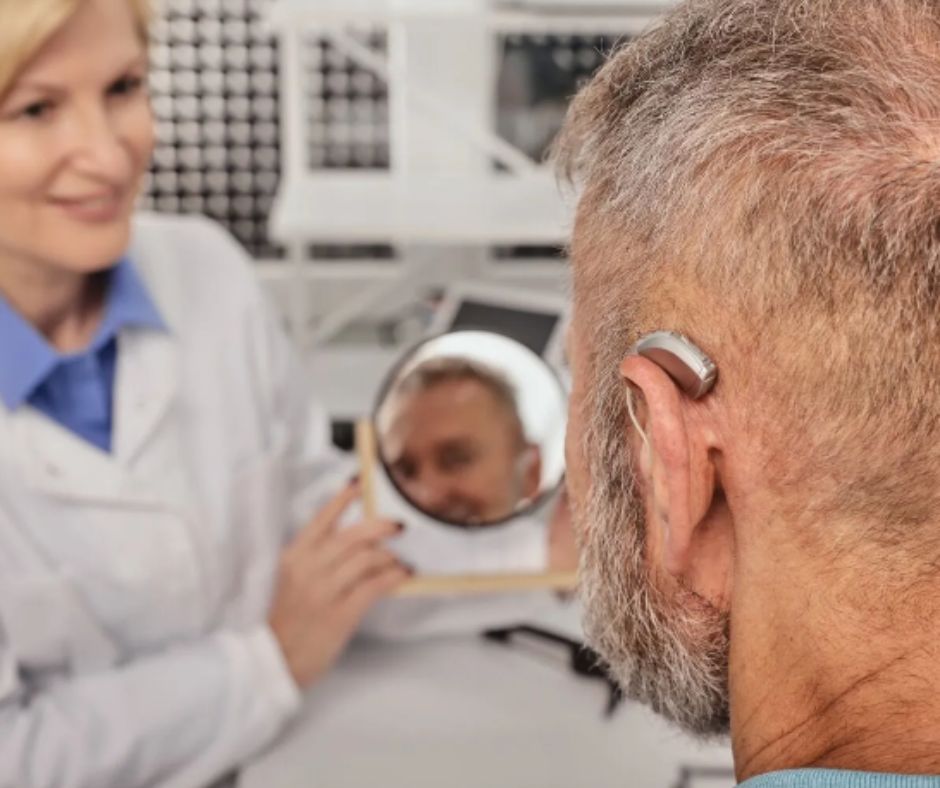
Over the past several years, researchers have been looking more closely at the link between hearing loss and brain health.
Hearing loss does not directly cause mental illness, but untreated hearing loss is strongly associated with increased stress, anxiety, and social withdrawal over time.
Like any system in the body, the brain stays healthier when it’s used regularly. During untreated hearing loss, certain areas of the brain receive less stimulation. Also, there’s a social aspect associated with it. When hearing becomes difficult, people often pull back from conversation. Less conversation means less mental stimulation. Less stimulation means fewer opportunities for the brain to stay active and engaged.
And then there’s the constant effort of listening. If your brain is always working hard just to understand speech, it may leave fewer cognitive resources available for memory and reasoning tasks.
Having said this, the important takeaway isn’t fear, it’s awareness. With the right hearing support, untreated hearing loss can become more manageable.
Impact of Untreated Hearing Loss on Mental Health
“Untreated hearing loss is considered one of the largest modifiable risk factors for cognitive decline.”
In the subsequent sections, you will understand how untreated hearing loss affects mental well-being and how early support from a qualified audiologist can make a meaningful difference.
The Connection Between Hearing and Mental Health
Hearing loss doesn’t just show up in life’s big moments, but it shows up in small, daily interactions, which you might worry about:
- Mishearing instructions at work
- Missing something important from your GP
- Saying “yes” when someone asked a completely different question
- Answering the phone
Some people describe feeling constantly alert, almost bracing for misunderstanding.
That kind of tension is subtle, but it builds. Over time, it can increase stress and anxiety levels.
What often surprises people is how much calmer they feel once their hearing improves.
- Conversations feel smoother
- There’s less guessing
- Less second-guessing yourself
This emotional relief is just as important as the physical improvement in hearing.
Practical Steps to Protect Your Mental and Emotional Well-Being
If you’re noticing these changes, the most important thing is not to ignore them.
Hearing loss tends to develop gradually. As it’s slow, it’s easy to adapt to it without realising how much effort you’re putting in.
A few simple steps can make a meaningful difference:
- Get a Proper Hearing Assessment: Not an online test or a quick screen. A comprehensive hearing assessment gives you clarity. It helps you understand exactly what’s happening and what your options are.
At Empower Hearing, we take the time to explain your results in plain language. No pressure, no sponsorship, just clear information, using a compassionate approach.
- Address Changes Early: Modern hearing solutions are very different from what many people imagine. They’re smaller, smarter, and tailored to your lifestyle.
Also, when the hearing is supported earlier, it gets easier for your brain to adapt, whereas waiting often means more listening strain over time.
- Stay Connected: Even if conversations feel harder, try not to withdraw. Social interaction is powerful for mental health and brain function.
Sometimes, small adjustments, such as better seating, communication strategies, or hearing support, can make a big difference.
- Talk About It: Many people feel embarrassed about hearing changes. But once you talk about it with family or close friends, the relief is real.
Most loved ones are more understanding than we expect, and you don’t have to manage it alone.
Does Untreated Hearing Loss Affect Memory?
While not immediately, untreated hearing loss can gradually affect memory because the brain must work harder to understand sounds, leaving fewer resources for remembering information.
Over time, reduced hearing may also decrease social interaction and mental stimulation, which are important for brain health. Studies suggest that prolonged hearing loss may increase the risk of cognitive decline and memory problems.
The Bottom Line
Untreated hearing loss doesn’t just affect volume. It affects your confidence and connection, leading to frustration, fatigue, and a gradual withdrawal from the very things that keep you mentally strong.
But here’s the encouraging part. When hearing is properly supported, many people feel more engaged, more confident, and less mentally exhausted. Conversations become easier, and social situations feel less overwhelming.
At Empower Hearing, we focus on practical solutions and genuine care. We provide comprehensive hearing assessments, personalised hearing-aid fittings, tinnitus management, earwax removal, and ongoing support, with your long-term well-being in mind.
If you’ve been feeling mentally drained after conversations or pulling back socially, it may be time to look at your hearing.
Taking that first step can feel small, but the impact can be life-changing. Book a consultation with Empower Hearing and take a confident step toward clearer sound and clearer connection.
Disclaimer: This article is for educational purposes only and does not replace professional medical advice. Consult Empower Hearing for a personalised assessment.


 Ahmad hassan
 Brian Anderson