Smith John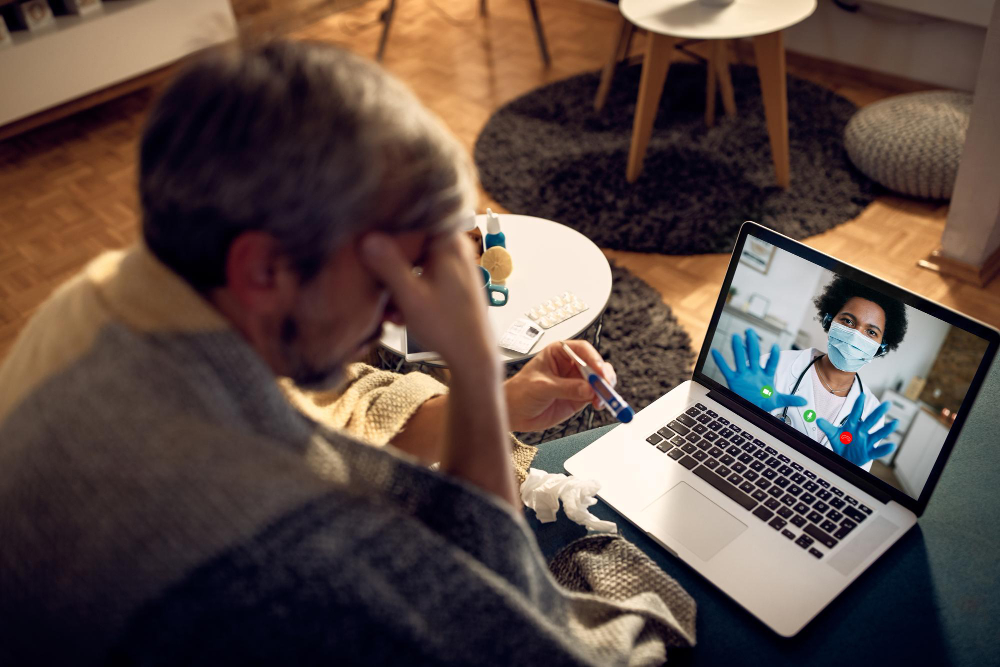
You can get effective, professional help for anxiety without leaving home — Online Counsellor for Anxiety services through online counselling connect you with licensed therapists who offer evidence-based strategies, confidentiality, and flexible scheduling.
If you’re struggling with persistent worry, panic, or avoidance, an online counsellor can help you reduce symptoms and build practical coping skills.
This article breaks down how online counselling works for anxiety, what to expect from sessions, and how to choose a therapist who fits your needs and preferences. Expect clear comparisons of platforms, guidance on checking credentials and specialties, and practical tips to find a safe, effective match so you can start feeling better sooner.
Understanding Anxiety and Online Counselling
You will learn what anxiety looks like clinically, how online counsellors treat those symptoms, and the practical benefits of accessing therapy remotely. Expect clear descriptions of symptoms, common evidence-based approaches, and what online delivery changes about treatment.
What Is Anxiety?
Anxiety is a normal response to perceived threat, but it becomes a disorder when it is excessive, persistent, and interferes with daily life. Symptoms often include constant worry, muscle tension, sleep disruption, panic attacks, and avoidance of places or situations that trigger fear.
Different anxiety conditions exist: generalized anxiety disorder (chronic, broad worry), panic disorder (recurrent panic attacks), social anxiety (fear of social evaluation), and specific phobias (intense fear of a particular object or situation). You may also experience physical signs like a racing heart, shortness of breath, or gastrointestinal upset.
Assessment focuses on symptom pattern, duration, and impact on work, relationships, and functioning. Clinicians use structured interviews and standardized questionnaires to determine severity and to rule out medical causes or co-occurring conditions such as depression or substance use.
How Online Counsellors Address Anxiety?
Online counsellors use evidence-based therapies adapted for video, phone, or messaging formats. Cognitive Behavioral Therapy (CBT) remains the primary method; it teaches you to identify unhelpful thoughts, test them against reality, and practice behavioral experiments to reduce avoidance.
Exposure therapy can be delivered remotely through guided exercises and virtual coaching to confront feared situations step-by-step. Counsellors may add Acceptance and Commitment Therapy (ACT) to build psychological flexibility, or mindfulness-based techniques to reduce physiological arousal.
Treatment plans include symptom monitoring, homework between sessions, and measurable goals such as reduction in panic frequency or improved sleep. Counselors will coordinate with your primary care provider when medication, diagnostic clarification, or crisis planning is needed.
Benefits of Online Counselling for Anxiety
Online counselling increases access and convenience: you can attend from home, reduce travel-related stress, and fit sessions into a busy schedule. This is especially helpful if anxiety causes avoidance of leaving home or using public transport.
You gain continuity and choice: many platforms let you select therapists by specialization, licensing location, or communication style. Sessions can be shorter or more frequent depending on need, and asynchronous options (secure messaging) let you get support between live sessions.
Online formats preserve evidence-based elements—skill teaching, exposure hierarchy, and symptom tracking—while adding features like screen-sharing worksheets and recording sessions for review. Confidentiality and technical reliability are key; confirm secure platforms and a private space before starting.
Selecting the Right Online Counsellor for Anxiety
Choose a counsellor who matches the skills, methods, and logistics you need, and prepare for the first session so you make fast, productive progress. Focus on measurable qualifications, clear treatment approaches, and practical session setup.
Qualities to Look for in an Online Counsellor
Look for a licensed mental health professional (LMFT, LPC, LCSW, or psychologist) registered in your state or country. Verify credentials on licensing boards and confirm insurance or sliding-scale options if cost matters to you.
Check specific anxiety experience: ask about work with generalized anxiety, panic disorder, social anxiety, or OCD. Request examples of typical outcomes and timeframes (e.g., symptom reduction in 8–16 sessions with CBT).
Prefer a counsellor who uses outcome tracking—standardized measures like GAD-7 or session rating scales—to monitor progress. Prioritize good communication: clear response times, secure messaging, and a defined cancellation policy. Finally, confirm technological setup: encrypted video platform, backup phone option, and clear privacy practices.
Different Approaches to Anxiety Treatment Online
Cognitive Behavioral Therapy (CBT) focuses on identifying and changing anxious thoughts and behaviors. CBT online often includes homework, worksheets, and exposure tasks you complete between sessions.
Acceptance and Commitment Therapy (ACT) helps you build psychological flexibility and commit to value-driven actions despite anxiety. Expect mindfulness exercises and values clarification tools.
Exposure therapy addresses avoidance and fear through graded, repeated exposure; it can be guided virtually with real-time coaching. For panic disorder, interoceptive exposure is commonly used.
Other useful options: therapy for social anxiety emphasizing role-play via video, medication management through telepsychiatry, and blended models that mix clinician sessions with app-based practice. Ask which methods your counsellor routinely uses and why those fit your specific anxiety profile.
How to Prepare for Your First Online Counselling Session?
Before the session, complete any intake forms and standardized screenings (GAD-7, PHQ-9) to give the counsellor baseline data. Test your camera, microphone, and internet connection 15 minutes early to avoid technical delays.
Create a private, quiet space where you won’t be interrupted. Have a notebook, a list of current medications, and a brief timeline of anxiety symptoms ready—note when anxiety started, triggers, typical severity, and coping attempts you’ve tried. Preparing for a session with an anxiety counselor online can help you communicate clearly and make the most of your therapy time.
Prepare three concrete goals you want from therapy (for example: reduce panic attacks to zero per month, attend social events without avoidance, or decrease daily worry by half). Bring questions about session frequency, expected homework, fees, crisis procedures, and how progress will be measured.


 Ahmad hassan