john wick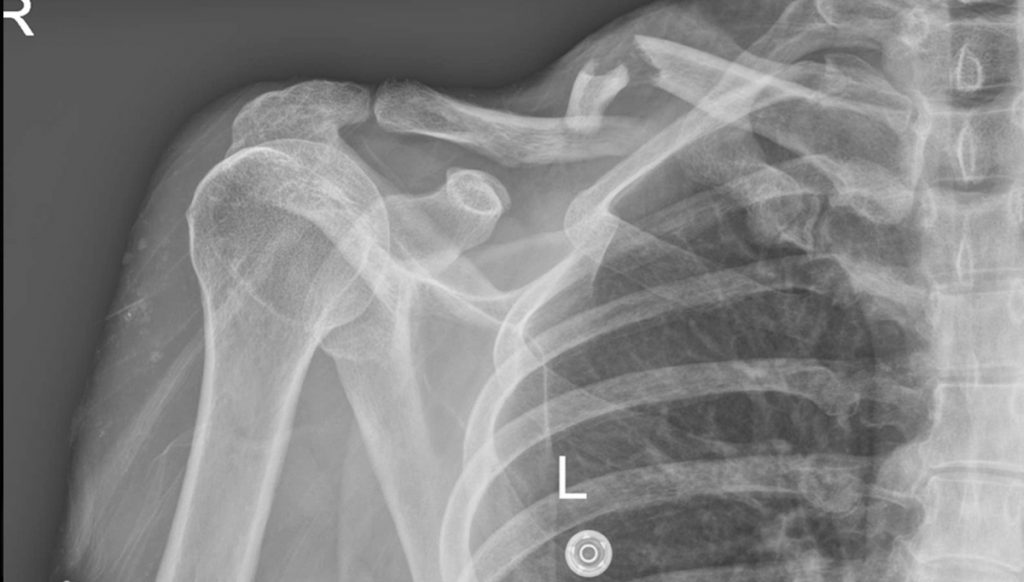
Injuries involving bones and joints can happen suddenly, whether from a fall, sports activity, or accident. Understanding Fractures & Dislocations is essential for preventing complications and ensuring proper recovery. At First Care Family Clinic, patients receive timely and professional care for such injuries, helping them regain mobility and avoid long-term damage. Recognizing symptoms early and seeking appropriate treatment can make a significant difference in healing outcomes.
Understanding Fractures and Dislocations
Fractures occur when a bone breaks due to excessive force or pressure, while dislocations happen when a joint is forced out of its normal position. Although both injuries affect the musculoskeletal system, they differ in structure and treatment approach. Fractures may range from small hairline cracks to complete breaks, whereas dislocations involve ligaments and joint alignment.
These injuries can affect people of all ages. Children may experience fractures due to active play, while older adults may face a higher risk because of weaker bones. Similarly, athletes are more prone to dislocations due to repetitive strain and sudden impacts.
Early Signs You Should Not Ignore
Identifying early symptoms is the first step toward effective care. Pain is often the most immediate sign, but it is not the only indicator. Swelling, bruising, and limited movement are also common symptoms that should not be overlooked.
- Persistent Pain and Tenderness
Pain that worsens with movement or pressure often signals a fracture or joint issue. Ignoring it can lead to further complications. - Visible Deformity or Misalignment
A limb that appears bent or out of place may indicate a serious injury requiring immediate attention. - Swelling and Bruising
These signs usually develop shortly after injury and indicate internal damage to tissues or bones. - Restricted Movement
Difficulty moving a joint or bearing weight is a strong indicator that something is wrong.
Recognizing these early warning signs helps ensure faster diagnosis and treatment, reducing the risk of long-term problems.
Common Causes of These Injuries
Fractures and dislocations often result from everyday incidents, but certain situations increase the likelihood of injury. Falls are one of the leading causes, especially among older adults and children. Sports injuries also contribute significantly, particularly in high-impact activities such as football, basketball, or cycling.
Accidents, including car collisions or workplace injuries, can cause severe fractures or joint dislocations. In some cases, underlying conditions like osteoporosis weaken bones, making them more susceptible to fractures even with minor impacts. Understanding these causes allows individuals to take preventive measures and reduce their risk.
Immediate First Aid and Response
When an injury occurs, immediate action is crucial. Proper first aid can prevent further damage and reduce pain before professional medical help is available.
- Immobilize the Affected Area
Keeping the injured limb still helps prevent additional injury. Splints or slings can provide temporary support. - Apply Ice Packs
Cold therapy reduces swelling and helps manage pain in the early stages. - Avoid Attempting Realignment
Trying to fix a dislocation or fracture without medical expertise can worsen the condition. - Seek Medical Attention Quickly
Early diagnosis ensures proper treatment and reduces the risk of complications.
These steps provide temporary relief, but professional evaluation remains essential for proper healing.
Diagnosis and Medical Evaluation
Accurate diagnosis plays a key role in effective treatment. Healthcare providers typically begin with a physical examination, assessing pain levels, swelling, and visible deformities. Imaging techniques such as X-rays are commonly used to confirm fractures, while MRI or CT scans may be recommended for more complex cases.
In cases of dislocation, doctors evaluate the joint’s alignment and surrounding tissues. Early diagnosis allows for quicker intervention, which significantly improves recovery outcomes.
Treatment Options for Fractures and Dislocations
Treatment varies depending on the severity and type of injury. For fractures, immobilization using casts or braces is often sufficient for proper healing. In more severe cases, surgical intervention may be required to realign and stabilize the bone.
Dislocations are typically treated by repositioning the joint, a process known as reduction. This is followed by immobilization and rehabilitation to restore function. Pain management and anti-inflammatory medications are often prescribed to ease discomfort during recovery.
Physical therapy plays an important role in both cases, helping patients regain strength, flexibility, and range of motion. Without proper rehabilitation, there is a risk of stiffness or recurring injuries.
Recovery and Rehabilitation Process
Healing from fractures and dislocations takes time and patience. Recovery duration depends on factors such as age, overall health, and the severity of the injury. Most fractures heal within six to eight weeks, while dislocations may recover faster with proper care.
Rehabilitation focuses on gradually restoring mobility and strength. Patients are encouraged to follow medical advice closely, including attending follow-up appointments and completing physical therapy sessions. Consistency in recovery efforts ensures better long-term results.
Preventing Future Injuries
Prevention is always better than treatment. By adopting simple safety measures, individuals can reduce their risk of fractures and dislocations. Wearing protective gear during sports, maintaining a safe home environment, and practicing proper techniques during physical activities can make a significant difference.
Maintaining bone health is equally important. A diet rich in calcium and vitamin D supports strong bones, while regular exercise improves muscle strength and balance. These habits not only prevent injuries but also promote overall health and well-being.
Long-Term Impact and Importance of Care
If not treated properly, fractures and dislocations can lead to long-term complications such as chronic pain, joint instability, or reduced mobility. Early intervention and proper treatment significantly reduce these risks. Patients who follow recommended care plans are more likely to recover fully and return to their normal activities.
Understanding Fractures & Dislocations empowers individuals to act quickly and make informed decisions about their health.
Conclusion
Managing injuries effectively starts with awareness and timely action. Understanding Fractures & Dislocations helps individuals recognize symptoms early and seek proper care without delay. From first aid to rehabilitation, each step plays a crucial role in recovery. At First Care Family Clinic, patients receive expert care and personalized treatment plans designed to restore mobility and improve quality of life. By combining professional guidance with preventive measures, individuals can protect their health and avoid future complications.
FAQs
- What is the difference between a fracture and a dislocation?
A fracture is a break in the bone, while a dislocation occurs when a joint is forced out of its normal position. - How do I know if I have a fracture or just a sprain?
Severe pain, swelling, deformity, and inability to move the area may indicate a fracture. A medical evaluation is necessary for confirmation. - Can fractures and dislocations heal without treatment?
No, proper medical care is essential to ensure correct healing and avoid complications. - How long does recovery usually take?
Fractures typically take 6,8 weeks to heal, while dislocations may recover within a few weeks depending on severity. - When should I seek medical help?
You should seek immediate care if there is severe pain, swelling, deformity, or difficulty moving the affected area.


 black devil
 Derma One Aesthetic Clinic