Christina Wood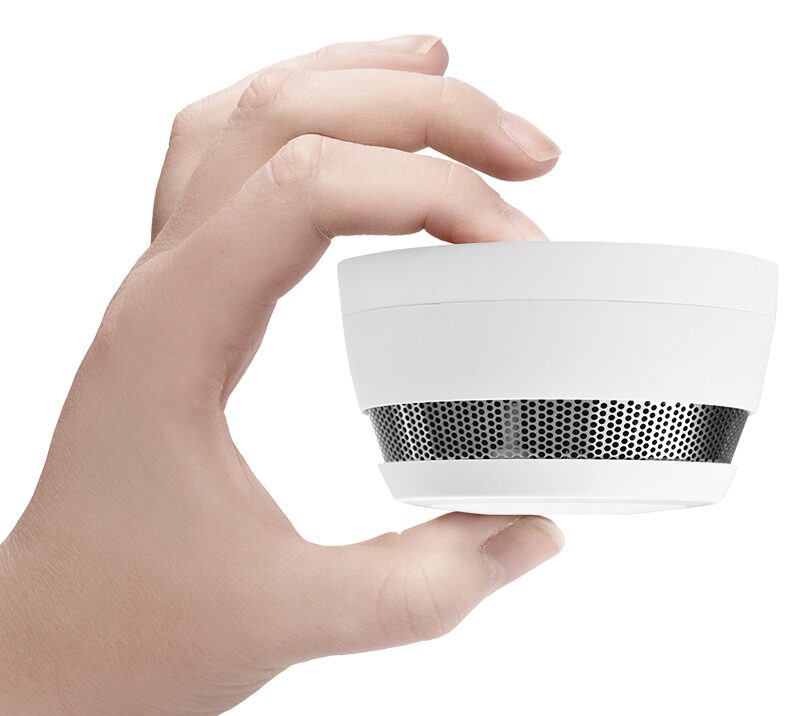
Fire safety in the home relies heavily on early detection and clear alerts. While standalone smoke alarms provide basic protection, interconnected systems offer a more comprehensive approach, particularly in homes with multiple rooms or levels.
Installing interconnected smoke alarms nz across different areas of your home can significantly improve how quickly occupants are alerted and how effectively they can respond.
How Interconnected Smoke Alarms Work
Interconnected smoke alarms are designed to communicate with each other. When one alarm detects smoke, it sends a signal to all other connected units, causing them to sound at the same time.
This creates a unified alert system, ensuring that no matter where a fire starts, the entire household is notified immediately.
Immediate Whole-Home Alerts
One of the most important benefits of interconnected alarms is the ability to alert all occupants at once.
In larger homes:
- Sound from a single alarm may not reach distant rooms
- Closed doors can reduce noise levels
- Occupants on different floors may not hear the alarm
Interconnected systems remove these limitations by activating every alarm simultaneously.
Improved Night-Time Safety
Fires that occur at night present a higher risk, as occupants are asleep and less aware of their surroundings.
Interconnected alarms help by:
- Ensuring all bedrooms receive the alarm signal
- Increasing the likelihood of waking occupants quickly
- Reducing delays in response time
This is especially important in homes with multiple bedrooms or family members sleeping in separate areas.
Better Coverage Across Multiple Rooms
Homes with several rooms require more than one detection point to ensure full coverage.
By installing alarms in:
- Bedrooms
- Hallways
- Living areas
- Each level of the home
you create a network that monitors the entire property. Interconnection ensures these devices work together rather than independently.
Faster Response to Fires in High-Risk Areas
Certain areas of the home are more prone to fire, such as kitchens, living rooms, and garages.
With interconnected alarms:
- A fire starting in one area triggers alarms everywhere
- Occupants are alerted even if they are far from the source
- Evacuation can begin earlier
This reduces the risk of fire spreading unnoticed.
Reduced Reliance on Smoke Travel
Standalone alarms depend on smoke reaching each unit before they activate. This can delay detection in some areas.
Interconnected systems:
- Trigger all alarms when one detects smoke
- Eliminate delays caused by airflow or room separation
- Provide more consistent protection
This is particularly valuable in homes with complex layouts.
Suitable for Multi-Storey Homes
In homes with more than one level, interconnected alarms ensure that alerts are heard across floors.
Benefits include:
- Immediate alerts upstairs and downstairs
- Better coordination during evacuation
- Increased safety for occupants on different levels
Without interconnection, an alarm on one floor may not be heard clearly on another.
Easy Integration in Modern Homes
Interconnected systems can be installed in both new and existing homes.
Options include:
- Hardwired systems for new builds
- Wireless systems for retrofitting older homes
This flexibility makes it easier for homeowners to upgrade their safety setup without major changes.
Maintenance Across Multiple Units
Although there are multiple devices involved, maintenance remains straightforward.
Key steps:
- Test all alarms regularly
- Replace batteries where required
- Keep units clean and free of dust
- Replace alarms at the end of their lifespan
Regular checks ensure the system remains reliable over time.
Final Thoughts
Installing interconnected smoke alarms across multiple rooms provides a higher level of protection than standalone units. By ensuring all alarms sound simultaneously, these systems improve early detection and reduce response times.
For New Zealand homes, particularly those with multiple rooms or levels, interconnected smoke alarms offer a practical and effective way to enhance fire safety and protect occupants.


 zinnia zinnia
 charles david