Christina Wood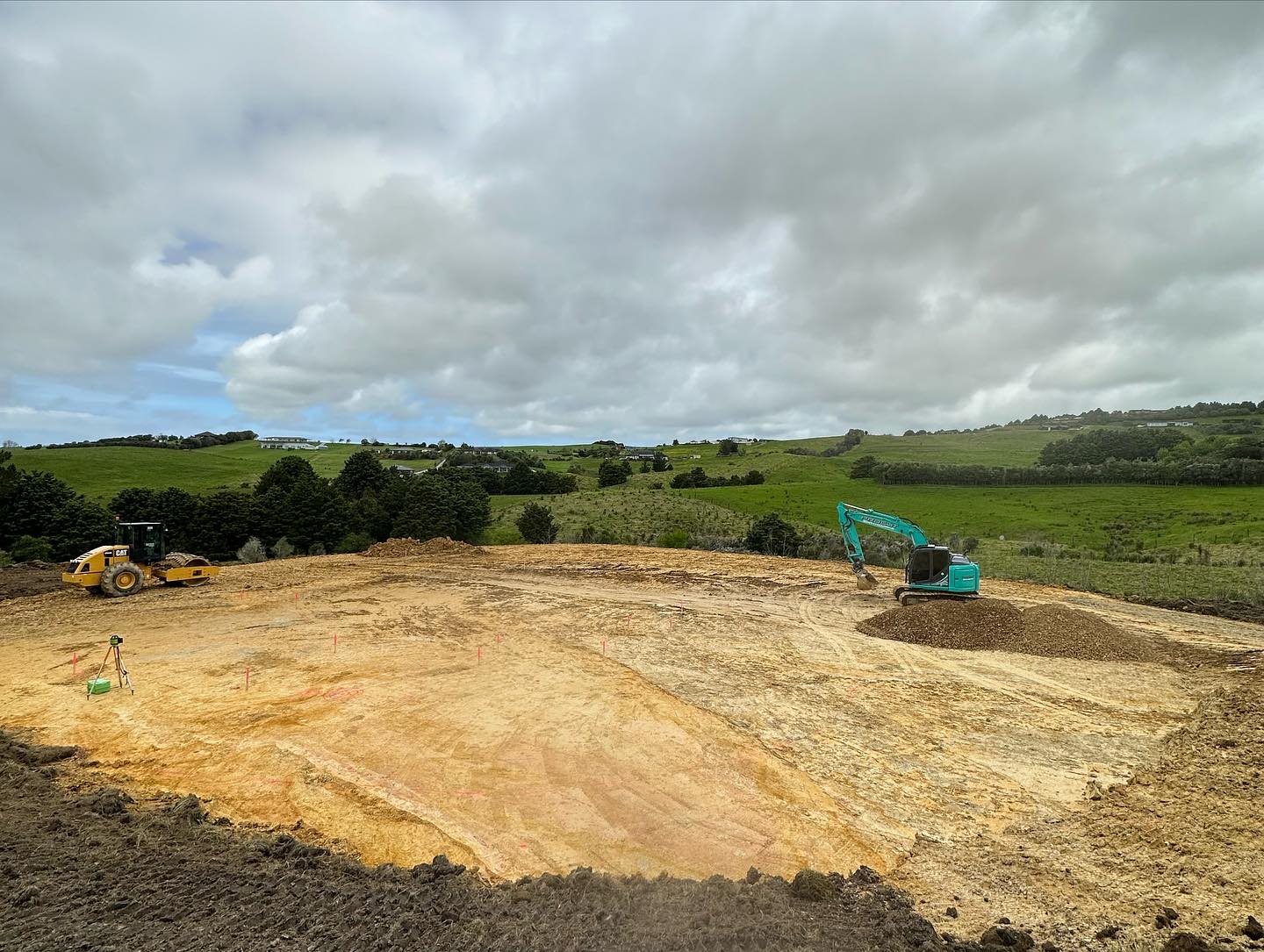
Site preparation is a structured process that ensures land is ready for construction. Each step plays a role in creating a stable, level, and compliant surface for building to begin. Skipping or rushing any stage can lead to long-term issues, making it important to follow a clear process.
If you are planning site preparation, this step-by-step guide outlines what is typically involved.
Step 1: Site Assessment and Planning
The process begins with understanding the site conditions.
This includes:
- Evaluating soil type and stability
- Identifying drainage patterns
- Reviewing site access and constraints
Accurate assessment helps determine the scope of work and any potential challenges.
Step 2: Clearing the Site
Before any earthworks can begin, the site must be cleared.
This involves:
- Removing vegetation and topsoil
- Clearing debris or existing structures
- Preparing a clean working surface
Clearing ensures that all subsequent work is carried out on suitable ground.
Step 3: Excavation and Earthmoving
Excavation shapes the land to match the project requirements.
Key activities include:
- Cutting into the ground to achieve design levels
- Removing unsuitable material
- Moving soil to different areas of the site
This stage defines the foundation of the project.
Step 4: Establishing Levels and Layout
Precise levels and layout are critical for construction accuracy.
This step involves:
- Setting out building positions
- Establishing correct elevations
- Aligning with engineering plans
Accuracy at this stage ensures the build proceeds as intended.
Step 5: Drainage Installation
Managing water is an essential part of site preparation.
This includes:
- Installing drainage systems
- Directing surface water flow
- Preventing water accumulation
Effective drainage protects the site and supports long-term performance.
Step 6: Compaction and Ground Stabilisation
Once the site is shaped, the ground must be stabilised.
This process involves:
- Compacting soil to increase density
- Reducing air gaps
- Improving load-bearing capacity
Proper compaction is essential for preventing future settlement.
Step 7: Final Trim and Finishing
The final stage prepares the site for construction.
This includes:
- Fine grading to exact levels
- Smoothing surfaces
- Ensuring compliance with plans
A well-executed final trim ensures the site is ready for building work.
Step 8: Inspection and Compliance
Before construction begins, the site may need to be inspected.
This may involve:
- Council or engineering inspections
- Verification of levels and drainage
- Approval to proceed
Meeting these requirements helps avoid delays.
Final Thoughts
Effective site preparation follows a structured process, from initial assessment through to final trimming and inspection. Each step contributes to creating a stable and compliant foundation for construction.
By following this step-by-step approach, you can reduce risks, improve efficiency, and ensure your project starts on solid ground.



 Billy Kher