paul walkers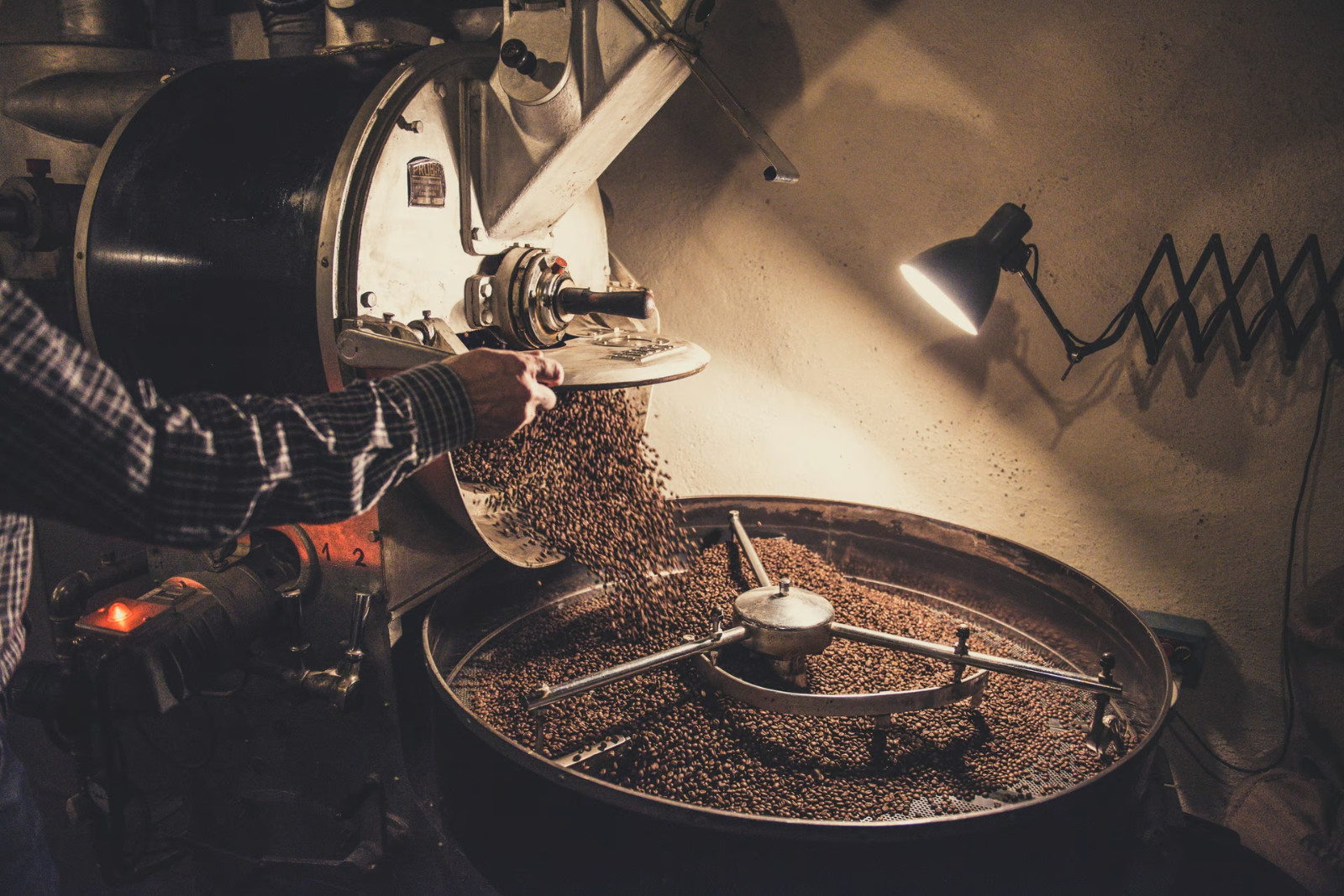
Coffee lovers around the world often marvel at the aroma, flavor, and character of a well-crafted cup. Yet behind every exceptional coffee is a crucial stage that shapes its identity—the roasting process. At the heart of this transformation is coffee roasting equipment, the unsung hero responsible for converting raw green beans into the rich, complex brew we enjoy daily. In this article, we explore the essential tools, technologies, and trends in modern coffee roasting, guiding readers toward a deeper appreciation of the craft.
Understanding the Role of Coffee Roasting Equipment
The journey from green coffee bean to aromatic brown bean is both science and art. Roasting equipment plays a central role in this transformation by controlling heat, airflow, and timing—three key factors that determine flavor development.
Whether you’re a small café owner, a home-roasting hobbyist, or someone looking to start a commercial roastery, understanding coffee roasting equipment is the first step toward producing consistent, high-quality coffee.
Types of Coffee Roasting Equipment
Roasting equipment varies significantly depending on the scale of production and the level of precision required. Below are the main categories used across the industry.
1. Drum Coffee Roasters
Drum roasters are among the most popular pieces of roasting equipment due to their reliability and ability to handle medium to large batches. They rotate coffee beans inside a heated drum, ensuring even heat distribution.
Key Advantages:
- Excellent heat retention
- Suitable for both beginners and professionals
- Delivers consistent results
- Ideal for traditional roasting profiles
Drum roasters are commonly found in commercial roasteries, specialty cafés, and even some advanced home setups.
2. Fluid Bed Roasters
Fluid bed, or air roasters, use hot air to roast the beans instead of a heated drum. The airflow circulates the beans, creating a “fluidized” movement.
Why Choose a Fluid Bed Roaster?
- Faster roasting times
- Bright, clean flavor profiles
- Easy to clean
- Offers excellent control over heat and airflow
For those who prefer lighter roasts or want quicker cycles, this equipment is a fantastic choice.
3. Home Coffee Roasters
As home roasting continues to grow in popularity, manufacturers have introduced compact, user-friendly machines that make roasting accessible to anyone.
Features Typically Include:
- Adjustable roast profiles
- Temperature control
- Smoke suppression systems
- Intuitive interfaces
Home coffee roasting equipment is perfect for enthusiasts who want freshness, experimentation, and complete control over their coffee experience.
4. Industrial Coffee Roasters
Large-scale operations rely on heavy-duty roasters that can process hundreds of kilograms per batch. These machines come equipped with advanced automation, data logging, and energy-efficient technologies.
Benefits of Industrial Models:
- High productivity
- Repeatable roasting profiles
- Precise control
- Superior heat efficiency
Industrial coffee roasting equipment represents the future of commercial coffee production, blending tradition with advanced engineering.
Essential Additional Equipment for Roasting
Beyond the roaster itself, several supporting tools are critical for successful coffee roasting. Together, they ensure quality, consistency, and efficiency at every stage.
1. Coffee Bean Cooling Tray
Rapid cooling is essential to halt the roasting process and lock in the desired flavor. Most roasters include built-in cooling trays with powerful fans to reduce temperature instantly.
2. Coffee Bean Destoner
After roasting, small stones or debris can be mixed with beans. Destoners separate these items using density differences, protecting grinders from potential damage.
3. Digital Scales and Timers
Precision is a major key in roasting. Scales and timers help maintain consistency by ensuring exact measurements and roasting durations for every batch.
4. Moisture Meters
A bean’s moisture content influences how it roasts. Moisture meters help roasters evaluate bean quality and adjust profiles accordingly.
5. Sample Roasters
Sample roasters allow producers and cafés to test small batches before committing to larger production. They are essential for:
- Cupping new origins
- Experimenting with roast profiles
- Quality control
How Coffee Roasting Equipment Shapes Flavor
Roasting machines do more than heat beans—they influence flavor development through airflow, drum speed, temperature application, and roast duration.
Here are some ways equipment directly shapes flavor:
- Faster airflow results in brighter, cleaner flavors.
- Longer drum contact creates deeper caramelization and body.
- Higher heat application intensifies roast flavor.
- Precision controls allow repeatability, crucial for branding and customer loyalty.
By selecting the right coffee roasting equipment, businesses and home enthusiasts can craft unique flavor profiles that distinguish their offerings.
What to Consider When Choosing Coffee Roasting Equipment
Before investing, it’s important to evaluate your needs carefully.
1. Batch Size Requirements
Are you roasting at home, operating a small café, or building a commercial roastery? The scale determines the size and type of equipment needed.
2. Desired Flavor Profiles
Different roasters produce different results. Drum roasters are suited for balanced, traditional varieties, while fluid-bed models are ideal for light and bright roasts.
3. Budget and Maintenance
Roasting equipment ranges from a few hundred dollars to tens of thousands. Beyond the initial cost, consider maintenance, energy efficiency, and spare parts availability.
4. Automation and Data Tracking
Modern roasters offer software integration for real-time monitoring, roast curve analysis, and automatic profile replication—valuable features for professionals.
The Future of Coffee Roasting Equipment
Technology is reshaping the roasting landscape. Innovations such as AI-driven roast profiling, low-emission burners, and energy-recycling systems are becoming standard in high-end models.
We are entering an era where sustainability, precision, and efficiency drive equipment design. As consumers demand transparency and quality, the role of advanced roasting equipment becomes even more essential.
Conclusion: The Heartbeat of Coffee Craftsmanship
Coffee roasting equipment is more than machinery—it’s the foundation of flavor, creativity, and consistency in the coffee world. From home hobbyists experimenting with small batches to industrial roasteries producing tons of beans daily, the right equipment enables every cup to tell a story.
As technology evolves and the appreciation for specialty coffee grows, the tools we use will continue to reshape the coffee experience. This invites us to reflect: How will future innovations change the way we craft, enjoy, and understand coffee?
The journey begins with the equipment—and the possibilities are endless.


 Wicked Tees of Boston
 Design Place