abdul sami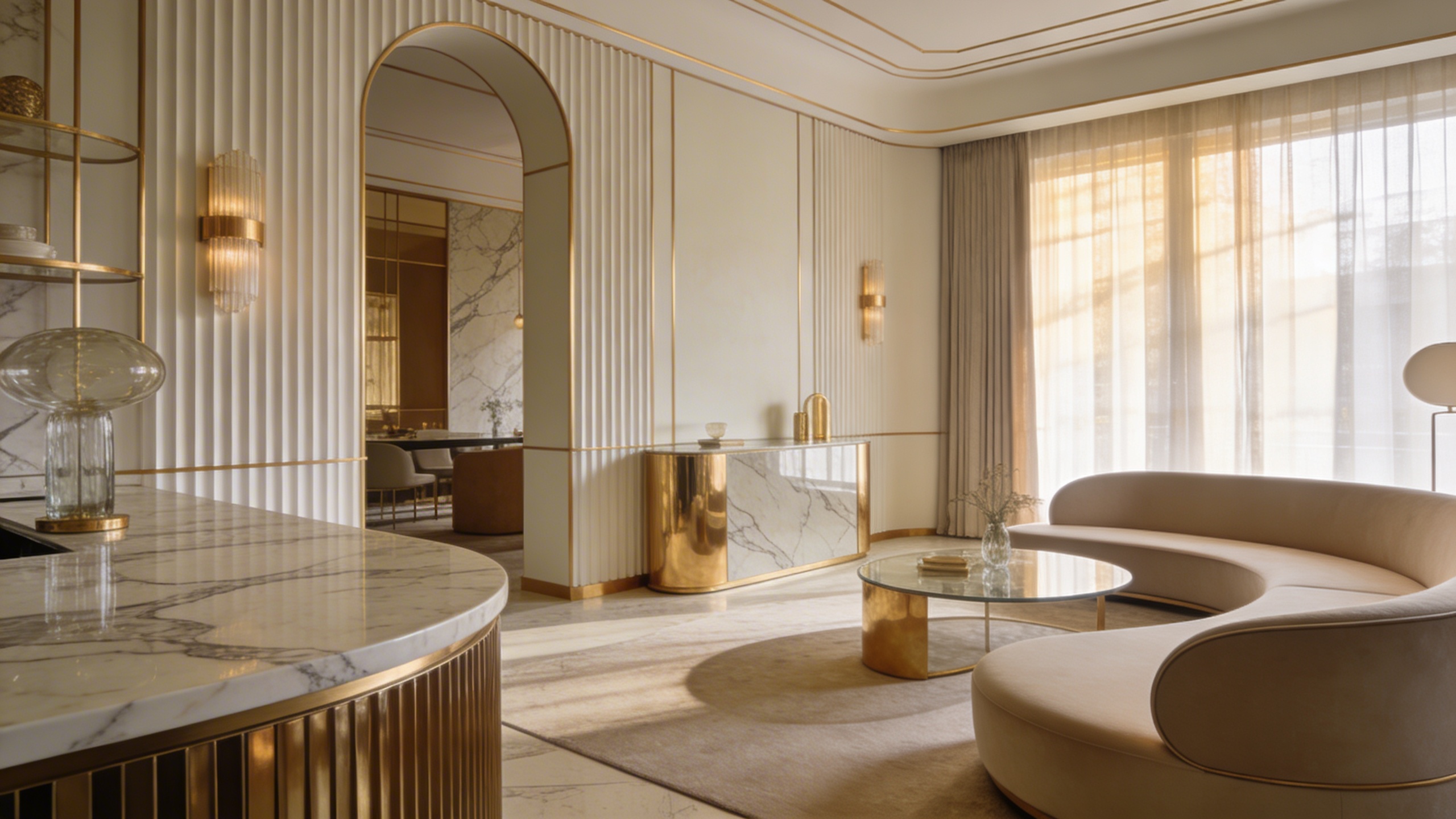
Introduction: Why Is Everyone Suddenly Talking About Art Deco Again?
Have you noticed how modern homes are starting to feel a little repetitive?
Minimalism dominated interiors for years clean lines, neutral palettes, and “less is more.” But in 2026, homeowners are craving something richer, more expressive, and full of personality. That’s exactly where Art Deco is making a powerful comeback.
In this blog, you’ll learn:
- Why Art Deco is trending again in 2026
- How to use it without making your home look outdated
- Practical design ideas used by interior designers in Hyderabad
- Mistakes to avoid when incorporating this bold style
What Is Art Deco Interior Design (And Why Does It Feel So Modern Today)?
Art Deco isn’t new; it originated in the 1920s. But its core elements align surprisingly well with today’s design needs.
Key Characteristics:
- Bold geometric patterns
- Luxurious materials (marble, brass, velvet)
- Symmetry and structure
- Rich color palettes (emerald, navy, gold, black)
Why It Feels Relevant Now
Unlike minimalism, Art Deco adds emotion, identity, and visual impact—something modern homeowners are actively seeking.
Why Is Art Deco Trending Again in 2026? (Real Reasons, Not Just Hype)
1. People Are Moving Away from “Boring Minimalism”
After years of neutral interiors, people want spaces that feel:
- Personal
- Luxurious
- Instagram-worthy
Art Deco delivers all three without compromising functionality.
- Social Media Is Driving Visual Design Trends
Platforms like Instagram and Pinterest favor bold, high-contrast interiors. Art Deco naturally stands out with:
- Statement lighting
- Dramatic wall patterns
- Rich textures
These elements perform well visually, making the style trend faster.
- Luxury Is Becoming More Accessible
You no longer need a massive budget to achieve an Art Deco look.
Modern materials and local sourcing (especially by interior designers in Hyderabad) allow:
- Affordable brass finishes
- Engineered marble alternatives
- Budget-friendly velvet upholstery
- Hybrid Homes Need Strong Identity
With homes now doubling as offices, studios, and content spaces, design needs to:
- Impress clients (Zoom calls)
- Inspire creativity
- Reflect personal branding
Art Deco provides that strong visual identity.
- Designers Are Blending Old + New
This is the real reason the trend works in 2026.
Instead of full vintage replication, designers are using:
- Modern furniture + Art Deco accents
- Minimal layouts + bold statement pieces
This hybrid approach keeps the space fresh, not outdated.
How to Use Art Deco in Modern Homes (Without Overdoing It)
Start With One Statement Element
Avoid transforming your entire home at once.
Try:
- A geometric accent wall
- A bold chandelier
- A velvet sofa in jewel tones
Mix With Contemporary Elements
Balance is key.
Do this:
- Pair Art Deco lighting with modern furniture
- Use neutral walls with bold décor pieces
Avoid this:
- Heavy patterns on every surface
- Too many metallic finishes
Use Color Strategically
Art Deco is known for rich colors but you don’t need all of them.
Safe combinations:
- Navy + gold
- Emerald + brass
- Black + marble textures
Focus on Materials, Not Just Patterns
Many people think Art Deco = patterns only. That’s a mistake.
True impact comes from materials like:
- Glass and mirrors
- Polished metals
- Textured fabrics
Real-Life Example: Art Deco in Hyderabad Homes
Interior designers in Hyderabad are adapting Art Deco for modern urban homes by:
- Using compact geometric wall panels in apartments
- Adding gold-accent lighting in living rooms
- Designing luxury TV units with marble + brass detailing
This approach keeps homes:
- Space efficient
- Budget-conscious
- Visually premium
Common Mistakes to Avoid (Most Blogs Won’t Tell You This)
Overloading Patterns
Too many geometric designs create visual chaos.
👉 Stick to one focal pattern per room
Ignoring Lighting Design
Art Deco lighting is not optional it’s essential.
Use:
- Layered lighting
- Statement fixtures
- Warm tones
Copying Pinterest Designs Blindly
What works in large Western homes may not suit Indian layouts.
Always adapt based on:
- Room size
- Ceiling height
- Natural light
Where to Add Art Deco in Your Home (Best Spaces)
- Statement chandelier
- Velvet seating
- Metallic décor accents
Bedroom
- Upholstered headboard
- Symmetrical side tables
- Soft ambient lighting
Dining Area
- Bold lighting fixture
- Marble-top table
- Geometric wall art
Key Takeaways (Quick Summary)
- Art Deco is trending because people want bold, expressive interiors
- The 2026 version is a modern + vintage blend
- Focus on materials, lighting, and one statement element
- Avoid overdesigning—balance is everything
Conclusion: Should You Try Art Deco in 2026?
Absolutely but with intention.
Art Deco isn’t just a trend; it’s a design language that adds personality, luxury, and timeless appeal. When used correctly, it transforms ordinary spaces into memorable ones.
If you’re planning to upgrade your home, start small. Test the style in one room. And if you want a professionally balanced look, working with experienced interior designers in Hyderabad can help you avoid costly mistakes.
👉 Thinking of redesigning your space? Explore professional design solutions or get a consultation to bring Art Deco into your home the right way.
FAQ Section
1. Is Art Deco suitable for small homes?
Yes. Use it selectively focus on one statement piece like lighting or a feature wall to avoid overcrowding.
- What colors define Art Deco interiors?
Common colors include navy, emerald green, black, gold, and beige. Modern versions often mix these with neutrals.
- Can Art Deco be combined with modern design?
Absolutely. In fact, the 2026 trend is all about blending modern minimalism with Art Deco accents.
- Is Art Deco expensive to implement?
Not necessarily. You can achieve the look with:
- Affordable materials
- Local sourcing
- Strategic design choices
- What is the biggest mistake in Art Deco design?
Overusing patterns and ignoring balance. Keep it bold but controlled.
- Why is Art Deco popular again now?
Because homeowners want interiors that feel unique, luxurious, and visually impactful—something minimalism often lacks.


 bondcleaning service