lisa soft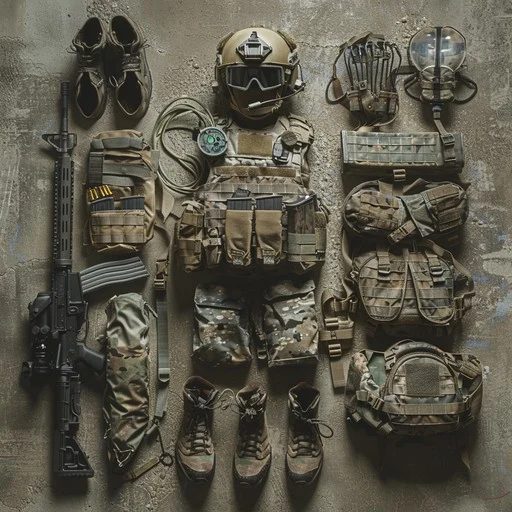
Introduction
Durability is one of the most critical factors when it comes to tactical gear. Whether it is used for military operations, outdoor adventures, or demanding work environments, the materials must withstand extreme conditions without failing. Poor material quality can lead to product damage, safety risks, and increased replacement costs.
Understanding how to evaluate material durability is essential for buyers, brands, and distributors who want reliable performance. This guide will help you understand what makes materials durable, how to test them, and what to look for when sourcing tactical products.
Understanding Material Strength in Tactical Applications
When evaluating tactical gear and equipment, the first thing to consider is the type of material used and how it performs under stress. Tactical products are exposed to harsh environments such as heat, moisture, abrasion, and heavy loads. This makes material selection a key factor in overall product durability.
Strong materials are designed to resist tearing, stretching, and impact. For example, nylon and polyester fabrics are commonly used due to their high tensile strength and resistance to wear. Reinforced stitching and layered construction also add to the durability of the final product.
Another important aspect is how the material behaves over time. Some materials may perform well initially but degrade quickly under repeated use. This is why long-term performance testing is essential in tactical manufacturing.
Key Material Types Used in Tactical Gear
Different materials are selected based on the intended use of the product. Each material has unique properties that contribute to durability.
Nylon is one of the most widely used materials because of its strength and resistance to abrasion. It is commonly found in backpacks, belts, and protective gear. Polyester is another popular choice due to its resistance to UV rays and moisture, making it suitable for outdoor use.
Leather is sometimes used in tactical boots and accessories for its toughness and flexibility. However, it requires proper maintenance to maintain its durability. Additionally, modern composite materials and reinforced fabrics are increasingly being used to improve performance while reducing weight.
Understanding these materials helps buyers make informed decisions when selecting products for demanding environments.
Testing Methods to Evaluate Durability
Durability cannot be judged by appearance alone. Manufacturers use various testing methods to ensure materials meet required standards.
One common method is abrasion testing, where the material is repeatedly rubbed against a surface to measure how quickly it wears down. This test helps determine how well the material will perform in real-world conditions.
Tensile strength testing measures how much force a material can withstand before breaking. This is especially important for items like belts, straps, and load-bearing equipment.
Water resistance testing is also critical, particularly for outdoor gear. Materials are exposed to moisture to evaluate how well they repel water and prevent damage.
Another important test is environmental exposure, where materials are subjected to extreme temperatures, sunlight, and humidity. This helps determine how the material performs over time in different climates.
Factors That Affect Material Durability
Several factors influence how durable a material will be in tactical applications. One of the most important is fabric density, often measured in denier. Higher denier fabrics are generally thicker and more resistant to wear.
The quality of stitching also plays a significant role. Even the strongest material can fail if the stitching is weak or inconsistent. Reinforced seams and double stitching are often used to improve strength.
Coatings and treatments can enhance durability by adding water resistance, UV protection, and resistance to chemicals. However, the quality of these treatments matters, as low-quality coatings may wear off quickly.
Usage conditions also affect durability. Gear used in extreme environments will naturally experience more wear and tear. This makes it important to match the material to the intended use.
How to Identify High Performance Materials in Manufacturing
When sourcing high quality tactical gear, it is important to look beyond surface-level features and focus on performance indicators. Reliable manufacturers provide detailed specifications about the materials used, including strength ratings, coatings, and testing results.
Consistency in production is another key factor. High-performance materials should maintain the same quality across multiple batches. This ensures that every product meets the same durability standards.
Certifications and compliance with industry standards can also indicate material reliability. These certifications show that the materials have been tested and meet specific performance requirements.
Buyers should also consider the reputation of the manufacturer. Experienced manufacturers with a strong track record are more likely to use high-quality materials and maintain strict quality control processes.
Practical Tips for Buyers and Sourcing Professionals
Evaluating durability requires a combination of technical knowledge and practical inspection. Buyers should request material samples before placing large orders. Testing these samples in real-world conditions can provide valuable insights.
It is also helpful to ask manufacturers about their testing procedures and quality control measures. Transparent communication can help build trust and ensure that the products meet expectations.
Another important tip is to review product specifications carefully. Look for details such as material type, thickness, and protective coatings. These factors can significantly impact durability.
Working with manufacturers who offer customization options can also be beneficial. This allows buyers to select materials that meet their specific requirements and performance standards.
Common Mistakes to Avoid When Evaluating Durability
One common mistake is focusing only on price. Lower-cost materials may reduce upfront expenses but often result in higher long-term costs due to frequent replacements.
Another mistake is ignoring testing data. Reliable manufacturers provide detailed test results that demonstrate material performance. Skipping this information can lead to poor purchasing decisions.
Buyers should also avoid relying solely on visual inspection. Some materials may look durable but fail under stress. Proper testing and verification are essential.
Finally, overlooking supplier credibility can lead to inconsistent product quality. Choosing a trusted manufacturer is just as important as selecting the right materials.
The Role of Innovation in Material Durability
Advancements in material technology have significantly improved the durability of tactical gear. Modern fabrics are designed to be lightweight while maintaining high strength and resistance to environmental factors.
Innovations such as reinforced fibers, advanced coatings, and hybrid materials have expanded the possibilities for tactical gear manufacturing. These developments allow manufacturers to create products that are both durable and comfortable.
Sustainability is also becoming an important consideration. Many manufacturers are exploring eco-friendly materials that offer durability without compromising environmental responsibility.
FAQs
How can I check if a material is truly durable?
You can evaluate durability by reviewing test results, checking material specifications, and conducting real-world testing on samples.
What is the most durable material for tactical gear?
Nylon is widely considered one of the most durable materials due to its strength and resistance to abrasion.
Does higher price always mean better durability?
Not always. While high-quality materials often cost more, it is important to verify performance through testing and specifications.
Why is stitching important in durability?
Stitching holds the material together. Weak stitching can cause failure even if the material itself is strong.
Can coatings improve durability?
Yes, coatings can enhance water resistance, UV protection, and overall lifespan, but their quality must be verified.
Final Words
Evaluating the durability of materials used in tactical gear manufacturing is essential for ensuring long-term performance and reliability. By understanding material properties, testing methods, and key performance factors, buyers can make informed decisions and avoid costly mistakes.Choosing the right manufacturing partner is just as important as selecting the right materials. A reliable partner will provide consistent quality, transparent communication, and products that meet demanding standards. Companies like YEYI Enterprise not only focus on durable material selection and strict quality control but also support global buyers with efficient production and logistics, including shipping products to the USA.


 Futureway Consulting