lisa soft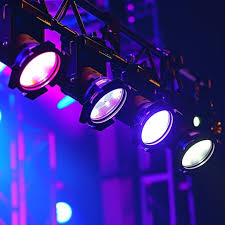
Introduction
Creating a vibrant atmosphere on stage is not just about the performers—it’s also about how the environment feels to the audience. Lighting plays a powerful role in shaping emotions, highlighting moments, and turning an ordinary setup into a visually captivating experience. Whether you’re managing a small event, a concert, or a theatrical performance, understanding how to use lighting effectively can make a huge difference.
LED stage lighting has become a popular choice due to its flexibility, energy efficiency, and wide range of color options. But simply having the equipment isn’t enough—you need to know how to use it creatively. In this guide, we’ll walk through three simple yet highly effective techniques that can instantly enhance the atmosphere of your stage setup.
Understanding the Basics of led stage lighting
Before diving into techniques, it’s important to understand what makes LED lighting so effective for stage environments. LED lights are known for their ability to produce vibrant colors, adjust brightness easily, and operate without excessive heat. This makes them ideal for long performances and dynamic lighting setups.
One key advantage is color versatility. Unlike traditional lighting, LEDs can switch between colors instantly, allowing you to adapt the mood in real time. They also support dimming and effects like strobe, fade, and color transitions without requiring additional filters.
Another important factor is positioning. Even the best lights won’t have the desired effect if they are not placed strategically. Front lighting ensures visibility, while backlighting creates depth and drama. Side lighting can add texture and highlight movement, especially for dance or live performances.
When you combine these elements—color, intensity, and placement—you start to unlock the true potential of stage lighting.
Technique 1: Use Layered Lighting for Depth
One of the simplest ways to create a vibrant atmosphere is by layering your lighting. Instead of relying on a single light source, you use multiple layers to add dimension and visual interest.
What is Layered Lighting?
Layered lighting involves combining different types of lights, such as:
- Front lights for visibility
- Backlights for silhouette and depth
- Accent lights for highlighting specific areas
By using these layers together, you create a more immersive experience rather than a flat, one-dimensional look.
How to Apply It
Start with a base layer using soft front lighting to ensure your performers are clearly visible. Then, add a second layer of backlighting to create separation between the performers and the background. Finally, introduce accent lights in different colors to highlight key elements like props or stage corners.
Why It Works
Layering adds depth, which makes the stage feel larger and more dynamic. It also helps guide the audience’s focus, ensuring they notice the most important parts of the performance.
Technique 2: Play with Color Transitions
Color is one of the most powerful tools in stage lighting. Different colors evoke different emotions, and smooth transitions between them can completely transform the mood of a performance.
Choosing the Right Colors
Warm colors like red, orange, and yellow create energy and excitement, making them perfect for upbeat performances. Cooler tones like blue and purple convey calmness or mystery, ideal for dramatic or emotional scenes.
Using Transitions Effectively
Instead of switching colors abruptly, use gradual transitions. A slow fade from blue to purple, for example, can create a dreamy atmosphere. Fast transitions, on the other hand, can add excitement during high-energy moments.
Tips for Better Results
Avoid using too many colors at once, as it can overwhelm the audience. Stick to a palette that matches the theme of your event. Also, consider syncing color changes with music or performance cues for a more cohesive experience.
Technique 3: Focus on Movement and Effects
Static lighting can only do so much. Adding movement and effects brings your stage to life and keeps the audience engaged.
Types of Lighting Effects
Some common effects include:
- Moving beams that sweep across the stage
- Strobe effects for high-energy moments
- Pulse or fade effects to match music rhythms
These effects can be programmed or controlled manually, depending on your setup.
Creating Visual Interest
Movement draws attention. For example, a moving spotlight can highlight a solo performer, while sweeping lights can energize a dance routine. Even subtle motion, like a slow pan across the stage, adds a professional touch.
Balancing Movement
While effects are exciting, it’s important not to overuse them. Too much movement can distract from the performance. Use effects strategically to enhance key moments rather than overpower them.
Combining Techniques for Maximum Impact
The real magic happens when you combine all three techniques. Layered lighting provides structure, color transitions set the mood, and movement adds excitement. Together, they create a dynamic and immersive environment.
For example, you might start a performance with soft layered lighting in cool tones. As the energy builds, introduce warmer colors and subtle movement. During the climax, use bold color changes and dynamic effects to create a memorable visual experience.
By planning your lighting design in advance, you can ensure that each element works together seamlessly.
Enhancing Results with professional led stage lighting
As your needs grow, investing in professional led stage lighting can take your setup to the next level. These systems offer advanced controls, higher brightness levels, and more precise color mixing, allowing for greater creativity and consistency.
Professional setups often include programmable controllers, which let you design complex lighting sequences in advance. This ensures smooth transitions and perfectly timed effects, even during long or intricate performances.
Another advantage is durability. High-quality lighting equipment is built to withstand frequent use, making it a reliable choice for event organizers and production teams.
Common Mistakes to Avoid
Even with the right techniques, certain mistakes can reduce the effectiveness of your lighting setup:
One common issue is over-lighting. Too much brightness can wash out colors and make the stage look flat. Instead, aim for balance and contrast.
Another mistake is poor positioning. Lights placed at the wrong angles can create unwanted shadows or glare. Always test your setup before the event.
Finally, avoid ignoring the theme of your performance. Lighting should complement the overall concept, not clash with it.
Helpful Tips for Beginners
If you’re new to stage lighting, start simple. Focus on basic setups and gradually experiment with more advanced techniques.
Take time to learn your equipment. Understanding how to control brightness, color, and effects will make a big difference.
Practice is key. Try different combinations and observe how they change the atmosphere. Over time, you’ll develop a better sense of what works best.
Frequently Asked Questions (FAQs)
1. What makes LED stage lighting better than traditional lighting?
LED lights are more energy-efficient, produce less heat, and offer a wider range of colors and effects. They are also easier to control and maintain.
2. How many lights do I need for a small stage?
It depends on the size and purpose, but a basic setup usually includes front lights, backlights, and a few accent lights for depth.
3. Can I control LED lights without professional equipment?
Yes, many LED systems come with simple controllers or even mobile app integration, making them accessible for beginners.
4. How do I choose the right colors for my event?
Consider the mood and theme of your performance. Warm colors create energy, while cool tones provide a calm or dramatic feel.
5. Is it expensive to set up LED stage lighting?
Costs can vary, but there are options available for different budgets. Starting with a basic setup and upgrading over time is a practical approach.
Final Words
Creating a vibrant stage atmosphere doesn’t have to be complicated. By using layered lighting, experimenting with color transitions, and incorporating movement, you can transform any performance into a visually engaging experience. The key is to plan thoughtfully and use each element with purpose.
As you continue to explore and refine your lighting techniques, you’ll discover new ways to captivate your audience and enhance every performance. And if you’re looking for reliable equipment, JJY Stage provides quality solutions and ships products to the USA, making it easier to access professional-grade lighting no matter where you are.


 Prabhat Upadhyay