Akhil Singh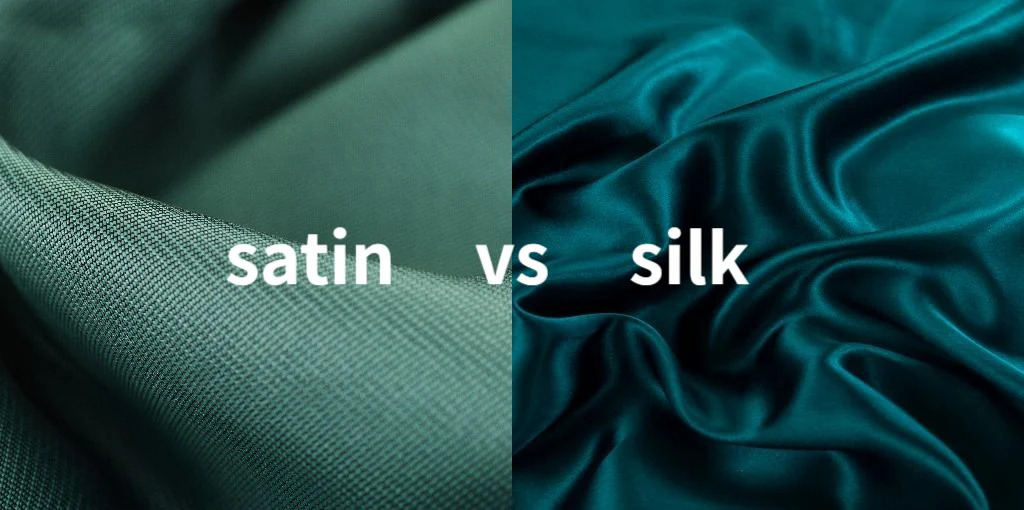
Silk vs Satin: What Is the Real Difference?
Walk into any fabric store and you will see the words silk and satin used almost interchangeably. Silky smooth. Satin finish. The confusion is understandable, because both fabrics share that signature lustrous sheen and a soft, cool-to-the-touch feel. But here is the thing: silk and satin are not the same, and knowing the difference can save you money, help you care for your clothes better, and make smarter purchasing decisions.
The core distinction: fiber vs weave
The most important thing to understand is that silk is a natural fiber, while satin is a type of weave. Silk refers to the raw material, which is a protein filament produced by silkworms. Satin, on the other hand, describes a particular way threads are woven together. This means satin can be made from silk, but it can also be made from polyester, nylon, acetate, or any number of other fibers.
Think of it this way: “silk” tells you what the fabric is made of, while “satin” tells you how it was woven. A fabric can be both, or it can be one without the other entirely.
What is silk?
Silk is one of the world’s oldest luxury textiles, with origins in ancient China going back over 5,000 years. It is produced by harvesting the cocoons of silkworm larvae, most commonly Bombyx mori, and carefully unwinding the long, continuous protein filament each cocoon contains. These filaments are then spun and woven into cloth.
Pure silk is naturally breathable, temperature-regulating, and hypoallergenic. It wicks moisture away from the skin, which is why silk pillowcases are prized for hair and skin health. Its shimmer comes from the triangular prism-like structure of its fibers, which reflects light at multiple angles. Silk is also one of the strongest natural fibers by weight, though it can be damaged by sunlight, heat, and harsh chemicals.
If you are looking to explore a wide range of authentic silk options, Fabriculture carries a well-curated selection of natural fabrics ideal for both fashion and home projects.
What is satin?
Satin refers to a specific weaving technique. In a satin weave, warp threads running lengthwise on the loom are floated over multiple weft threads before interlacing, creating fewer interlacing points than a plain or twill weave. This structure keeps more thread surface exposed on one side of the fabric, which is what gives satin its characteristic glossy face and duller back.
The smooth surface is not the result of fiber quality alone. It is largely a product of this weave structure. Satin made from polyester can closely mimic the appearance of silk satin, but the feel, performance, and price differ considerably. Polyester satin tends to be less breathable, more prone to snagging, and less temperature-regulating than silk satin.
Silk
Natural fiber
- Produced by silkworms
- Breathable and temperature-regulating
- Hypoallergenic
- Naturally lustrous
- Requires delicate care
- Higher price point
Satin
Weave structure
- Can use any fiber
- Glossy face, dull back
- Smooth, fluid drape
- Wide price range
- Easier to source
- Less breathable if synthetic
Silk satin: the best of both worlds
When silk fibers are woven using a satin weave, you get silk satin, which is arguably the most luxurious fabric in common use. It combines the natural properties of silk with the elevated sheen of the satin weave structure. Silk satin is the fabric of choice for couture gowns, high-end lingerie, and premium bedding. It is significantly more expensive than polyester satin, but it drapes beautifully, regulates temperature, and ages well with proper care.
For those looking to work with genuine silk satin or explore premium weaves, Fabriculture offers an excellent range of quality fabrics suited to dressmaking, interiors, and everything in between.
Which should you choose?
For everyday use, budget-friendly satin made from polyester or nylon is perfectly adequate. It looks great in formal wear, home decor, and accessories. For anything close to your skin, especially sleepwear, pillowcases, or garments you will wear for long periods, pure silk or silk satin is worth the investment. It breathes, it regulates, and it simply feels like nothing else.
When shopping, always check fiber content labels. A fabric labeled “satin” without fiber information could be made from any material. Look for “100% silk” or “pure mulberry silk” if you want the real thing. And if you want trusted sourcing under one roof, Fabriculture is a reliable destination for quality textiles that take the guesswork out of fabric shopping.


 Style Rule India
 Glam Groove