vizent solutions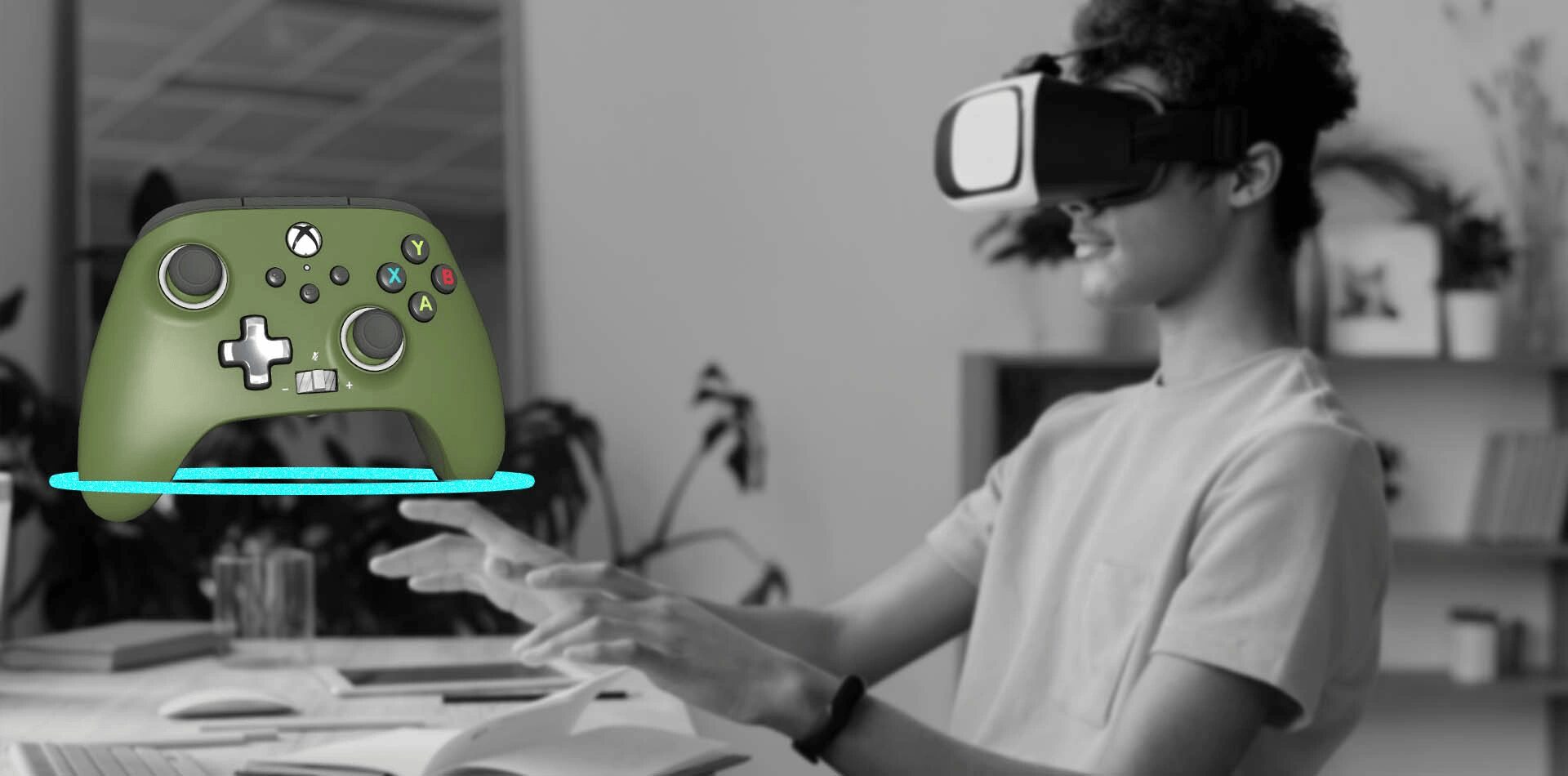
The digital marketplace keeps evolving, and among the leading technologies shaping e-commerce in modern days is AR product visualization. Retailers can count on AR as a surefire means to bridge that gap between physical and digital shopping, especially with buyers increasingly in pursuit of richer and more engaging online experiences.
As augmented reality lets buyers digitally “place” items or virtually interact with them in real time, it changes the dimensions of item evaluations, comparisons, and purchases made by consumers online.
That is what the modern buyer is looking for when making a purchase: clarity and confidence. Basic product photography barely meets such expectations, at least for those kinds of products for which size, fitting, color, or placement matters. AR overcomes these deficiencies by offering immersive previews that better model real-world interactions and might just hold the key for brands looking to decrease returns, boost engagement, and establish much deeper trust with their customer base.
More specifically, AR is going to impact the future of online shopping in a number of different ways that are further elaborated below.
1. Bringing Products to Life with Interactive Previews
Advantages ascribed to AR product visualization include the fact that it is able to portray the products in full, realistic 360-degree detail. With augmented reality, instead of just static images, one will be able to rotate items, zoom into them, and even place them within surroundings. Such an interactive experience builds in buyers a better feel for the size, style, and usability, hence creating reliability in making online purchases.
2. Uncertainty Reduction by Realistic Virtual Placement
Probably one of the most difficult areas concerned with e-commerce is helping the customer with their visualization of precisely how the product will look in their space. AR does this in an instant. If users can really visualize the furniture in their living room or a lamp on their desk, it will make decision-making so much easier.
3. High-quality 3D Models are More Engaging
Immersive experiences require highly detailed digital assets. Professional 3D product modeling services will help one create visually correct models that show texture, color, and design features in great detail. High-quality models ensure better user interaction with the product, hence improving the shopping experience and driving stronger conversion rates.
4. Improved Online Shopping Experience
It enhances the purchase journey from awareness to purchase. Users are able to view demonstrations of the product, various color options, or closely examine its features. Dynamic browsing allows users to stay longer on the website and see more products to make an informed purchase.
5. Be Transparent to Build Trust
When buyers can engage with products virtually, they will be better informed and more secure. In itself, this speaks to clear transparency between brand and customer. The product is no longer a guess; people know just what they are buying. Their confidence will drive brand loyalty.
6. Tailoring to Suit Individual Tastes
AR-enabled user behavior analytics will make such personalized recommendations possible. The suggestions to customers can be offered in a number of ways: style, space, and past choices. This level of personalization will make for more relevant shopping experiences, with heightened possibilities of conversion.
7. Stronger Visual Ecosystems to Support Business Growth
In fact, professional 3D visualization company help many brands create continuous digital experiences across websites, apps, and online marketplaces. Be it product models or interactive displays, quality visualizations at each touchpoint create better branding and more customer engagement.
Conclusion
AR product visualization opened an entirely new frontier in online shopping, whereby customers could interact with any product as if it were right in front of them. AR redesigns the buyer’s purchase decision by bringing into being high-definition 3D models, immersive placement features, and intuitive virtual experiences. The practice will continue to see increased adoption among brands, while the future of e-commerce will be more personalized and interactive, setting a wholly new bar when it comes to digital shopping experiences.


 TechRank Australia
 step hen