Kevin Franklin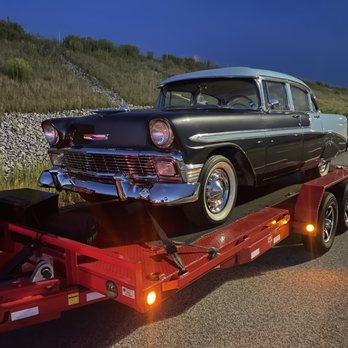
Auto transport companies handle the movement of vehicles from one location to another. Whether you’re relocating across states, buying a car out of state, selling a vehicle online, or need seasonal transport, these companies provide the service you need.
This article explains what auto transport companies do, how they operate, how pricing works, key industry terms, and how to choose the best service for your needs.
What Auto Transport Companies Do
At their core, auto transport companies safely move vehicles from Point A to Point B. But the services they provide go beyond just driving cars. They:
- Arrange pickup and delivery logistics
- Inspect and document vehicle condition
- Offer different transport methods
- Provide insurance and cargo protection
- Coordinate routes and carriers
- Handle customer support and communication
Auto transport companies can work directly as carriers (owning and operating their own trucks) or as brokers (connecting you with carriers).
Types of Auto Transport Companies
When researching providers, you’ll encounter two main types:
1. Carriers
Carriers are the companies that own and operate the trucks that physically transport vehicles. They employ or contract professional drivers and ensure vehicles are loaded, secured, transported, and delivered.
Pros of choosing a carrier directly:
- Fewer middlemen
- Direct communication with the transporter
- Full knowledge of who handles your vehicle
2. Auto Transport Brokers
Brokers don’t own trucks. Instead, they match your shipment with carriers across their network. Brokers help compare pricing, coordinate schedules, and manage communication.
Pros of using a broker:
- Access to a large network of carriers
- Often more pricing options
- Can secure competitive pricing
- Handle scheduling complexities
Both carriers and brokers have important roles — carriers move the cars, and brokers make the marketplace efficient for customers.
Key Services Offered by Auto Transport Companies
Auto transport companies may offer a variety of services depending on their size and specialization:
Door-to-Door Delivery
The carrier picks up and delivers your vehicle as close as safely possible to your specified addresses.
Terminal-to-Terminal Shipping
You drop off and pick up the vehicle at designated terminals. This can be cheaper but less convenient.
Open Auto Transport
The most common option. Vehicles are loaded on open trailers and shipped with other cars.
Enclosed Auto Transport
Offered for luxury cars, classic vehicles, and vehicles that need extra protection from weather or road debris.
Expedited or Priority Shipping
For customers needing faster delivery windows, often at a premium cost.
Special Handling Transport
For oversized vehicles, non-running cars, or vehicles requiring lifts, ramps, or winches.
How Auto Transport Pricing Works
Pricing depends on several key factors:
1. Distance
The longest influence on price. Longer trips cost more, but the per-mile rate often decreases over greater distances.
2. Vehicle Size and Weight
Heavy, oversized, or modified vehicles cost more to ship.
3. Transport Type
Open transport is most affordable. Enclosed transport costs more due to added protection.
4. Pickup & Delivery Locations
Urban centers often have better pricing due to frequent carrier routes. Rural or remote areas may cost more.
5. Season and Demand
Peak seasons (like summer moves and holiday relocations) often increase pricing due to demand.
6. Fuel Costs
Many carriers incorporate fuel surcharges based on current fuel prices.
Understanding these factors helps you evaluate quotes more effectively.
What to Expect When Working with an Auto Transport Company
The typical auto transport process includes these steps:
1. Get a Quote
Provide pickup and delivery locations, vehicle details, transport type, and any special needs.
2. Compare and Book
Review different quotes, confirm schedules, and book your transport with your chosen company.
3. Pre-Pickup Preparation
Clean the vehicle, remove personal items, document its condition, and prepare for inspection.
4. Vehicle Pickup
The driver picks up your vehicle during your scheduled window, completes a condition report, and loads it onto the trailer.
5. Transit
Your vehicle travels to its destination. Many companies provide tracking or check-in updates.
6. Delivery
The driver unloads and inspects the vehicle with you at delivery. Sign off once condition and delivery details are confirmed.
Tips for Choosing the Best Auto Transport Company
With many transport companies in the market, choosing the best one requires research and planning.
Check Licensing and Insurance
Ensure the company or carrier is licensed and insured. A valid DOT/MC number means they operate legally.
Read Customer Reviews
Look beyond star ratings; read real customer experiences.
Ask About Insurance Coverage
Confirm that transported vehicles are insured and ask about damage claims procedures.
Compare Multiple Quotes
Get 3–5 quotes to compare pricing, services, and delivery timelines.
Understand Contract Terms
Review the agreement carefully—especially cancellation, pickup windows, and delivery expectations.
Avoid Suspiciously Low Quotes
Extremely low pricing often indicates hidden fees or unreliable service.
Choosing well reduces stress and increases the chances of a smooth, predictable experience.
Common Mistakes to Avoid with Auto Transport Companies
Even experienced customers sometimes make costly errors. Here’s what to avoid:
Not Booking Early
High demand periods fill up fast. Waiting too long results in higher prices or limited carrier availability.
Ignoring Vehicle Preparation
Personal items left in the car or disorganized inspections cause delays and complications.
Skipping Insurance Checks
Assuming the company’s insurance is enough without confirming specifics is risky.
Overlooking Delivery Restrictions
Certain locations may have truck access limitations—know these ahead of time to avoid surprises.
Benefits of Using Auto Transport Services
Professional auto transport offers value that driving yourself often cannot match:
- Safer than long-distance driving
- Saves time and reduces stress
- Avoids vehicle wear and tear
- Eliminates fuel and lodging costs
- Ideal for cross-country or multi-vehicle moves
- Better for students, military, and busy professionals
Whether you’re moving across states or across the country, transport companies streamline the process and protect your vehicle.
How Technology Is Improving Auto Transport
The industry has become more transparent and convenient thanks to technology:
- Online quote tools allow instant pricing
- GPS tracking gives real-time shipping status
- Automated updates keep customers informed
- Mobile apps streamline communication and document management
These tools help customers stay informed and comfortable throughout the shipping journey.
Final Thoughts
Auto transport companies play an important role in modern logistics. From everyday sedan moves to specialty vehicle shipping, they offer safe, reliable, and stress-free transportation options. Making smart choices—like comparing quotes, understanding services, and preparing your vehicle—makes the difference between a smooth move and a frustrating experience.
When done right, professional auto transport gives peace of mind, protection, and convenience for all types of vehicle relocations.


 dhol soul
 zab nabs