Kaizen Hospital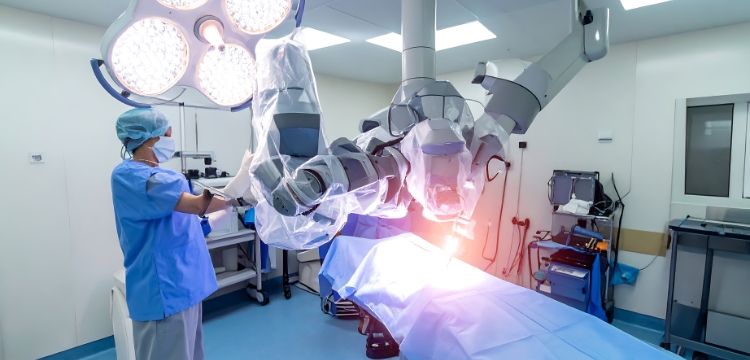
Advancements in medical technology have transformed the field of weight management surgery. Robotic-assisted procedures represent a significant innovation, offering enhanced precision and control during complex surgical interventions. These procedures use advanced robotic systems operated by highly trained surgeons to perform delicate movements with improved accuracy.
Robotic surgery has gained recognition for its ability to support minimally invasive techniques, making it an increasingly preferred option for individuals seeking effective and long-term weight loss solutions.
Enhanced Surgical Precision
One of the most notable benefits of robotic-assisted procedures is exceptional surgical precision. Robotic systems provide surgeons with high-definition, magnified visualization of the surgical area. This enhanced view allows for more accurate movements and careful tissue handling.
Improved precision reduces the likelihood of complications and supports better surgical outcomes. Fine control during the procedure helps ensure that surrounding tissues remain minimally affected, promoting smoother recovery and improved patient safety.
Minimally Invasive Approach
Robotic technology supports minimally invasive surgical techniques, which involve smaller incisions compared to traditional open surgery. Smaller incisions lead to reduced trauma to the body and faster healing.
Patients typically experience less postoperative pain, minimal scarring, and shorter hospital stays. The minimally invasive approach also lowers the risk of infection and supports quicker return to daily activities.
Improved Safety and Reduced Complications
Safety is a major consideration in any surgical procedure. Robotic systems enhance surgical stability by eliminating hand tremors and allowing controlled, steady movements. This level of control reduces the risk of accidental tissue damage.
Lower complication rates are associated with robotic-assisted techniques, including reduced bleeding and minimized surgical stress. Improved accuracy contributes to safer procedures and better overall patient outcomes.
Faster Recovery and Shorter Hospital Stay
Recovery time plays an important role in the success of weight loss surgery. Patients undergoing robotic-assisted procedures often experience faster recovery compared to traditional surgical methods.
Reduced tissue trauma allows the body to heal more efficiently. Shorter hospital stays and quicker mobility help patients resume normal routines sooner, supporting both physical and emotional recovery.
Better Long-Term Weight Loss Outcomes
Surgical precision and improved technique contribute to more effective weight loss results. Robotic-assisted procedures allow accurate anatomical adjustments that support sustained weight reduction.
Long-term outcomes depend on both surgical effectiveness and lifestyle commitment. By providing a strong surgical foundation, robotic techniques support patients in achieving lasting health improvements.
Reduced Postoperative Pain
Pain management is an important aspect of post-surgical care. Smaller incisions and minimal tissue disruption result in reduced postoperative discomfort.
Lower pain levels allow patients to move more comfortably during recovery, which supports circulation, healing, and overall well-being. Reduced reliance on pain medication also contributes to smoother recovery.
Enhanced Surgeon Control and Flexibility
Robotic systems provide surgeons with improved dexterity and range of motion beyond traditional manual techniques. This flexibility allows complex maneuvers to be performed with greater ease and accuracy.
The advanced technology supports detailed surgical planning and execution, contributing to more predictable and consistent outcomes.
Lower Risk of Infection
Infection risk is significantly reduced due to smaller incisions and controlled surgical environments. Minimally invasive techniques limit exposure of internal tissues, which helps protect against postoperative complications.
Lower infection rates contribute to safer recovery and improved long-term health outcomes for patients.
Support for Complex Cases
Robotic-assisted procedures are particularly beneficial in complex cases that require high precision. Enhanced visualization and control allow surgeons to manage challenging anatomical variations more effectively.
This capability expands treatment options for individuals who may not be ideal candidates for traditional surgical approaches.
Psychological and Emotional Benefits
Successful weight loss surgery can have a profound impact on emotional well-being. Improved physical health, increased mobility, and enhanced self-confidence contribute to better quality of life.
Faster recovery and reduced discomfort also help patients maintain a positive outlook throughout their health journey. Emotional well-being plays a crucial role in sustaining long-term lifestyle changes.
Technological Advancement in Healthcare
The integration of advanced technology into surgical procedures reflects the evolving landscape of modern healthcare. Robotic systems represent a forward-thinking approach that combines innovation with patient-centered care.
Robotic Obesity Surgery in India has gained attention for its ability to deliver precise, minimally invasive solutions that support effective weight management and improved patient outcomes.
Supporting Long-Term Health Improvements
Beyond weight loss, robotic-assisted procedures can contribute to the management of obesity-related health conditions. Improved metabolic function, enhanced mobility, and reduced strain on joints are common long-term benefits.
These improvements support overall wellness and help individuals lead more active and healthier lives.
Conclusion
Robotic-assisted bariatric procedures offer numerous benefits, including enhanced precision, improved safety, faster recovery, and better long-term outcomes. By combining advanced technology with minimally invasive techniques, these procedures provide an effective solution for sustainable weight management.
With reduced complications, improved comfort, and strong support for long-term health, robotic-assisted surgery represents a significant advancement in modern weight loss treatment.


 Priya Rajput
 healthtips adot