PSCLI NY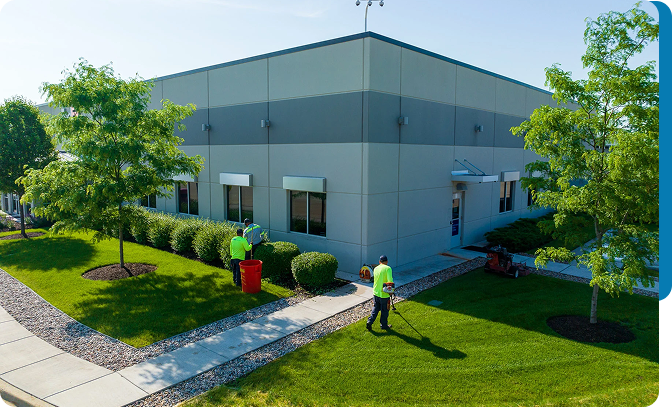
Why First Impressions Start With the Landscape
A company’s parking lot may get customers onto the property, but it is the landscape that shapes how they feel the moment they step out of their car. Commercial landscape design Long Island projects have become a priority for property owners who understand that greenery, layout, and curb appeal directly influence how a business is perceived before a single word is spoken. A well-planned entrance with clean sightlines, healthy plantings, and thoughtful hardscaping tells visitors that the company behind it pays attention to detail, while an overgrown or neglected exterior sends the opposite message no matter how polished the interior might be. For office parks, medical buildings, retail centers, and industrial facilities across Nassau and Suffolk County, landscaping is no longer treated as a cosmetic afterthought but as a functional extension of the brand itself. Thoughtful design also solves practical problems, directing foot traffic, screening unattractive utility areas, managing stormwater runoff, and creating shaded spaces where employees or customers can comfortably pause. Long Island’s mix of coastal humidity, sandy soil in some areas, and clay-heavy soil in others makes plant selection and layout especially important, since a design that works beautifully in one part of the region can struggle just a few miles away under different conditions. Property owners who invest in this stage upfront tend to avoid the costly cycle of replacing plants that were never suited to the site in the first place, and they end up with a landscape that requires far less troubleshooting once it matures.
What Goes Into a Strong Commercial Landscape Plan
A successful commercial landscape does not happen by accident. It starts with a clear plan that balances aesthetics, function, and long-term maintenance realities before a single shovel goes into the ground. Key elements of a strong design typically include:
- A site assessment that accounts for sun exposure, drainage patterns, soil type, and existing utilities
- Plant selection suited to Long Island’s climate zone, favoring species that tolerate salt air, wind, and seasonal temperature swings
- Layered plantings that combine trees, shrubs, and groundcover for year-round visual interest rather than a single blooming season
- Hardscape elements such as walkways, retaining walls, or seating areas that tie the landscape to the building’s architecture
- Irrigation planning that reduces water waste while keeping plantings healthy through dry summer stretches
- Lighting design that improves nighttime safety and highlights key entrances or signage
A design that accounts for all of these factors from the very start avoids the common trap of a landscape that looks impressive at installation but quickly becomes unmanageable, patchy, or expensive to fix within a year or two.
The Role of Ongoing Commercial Landscape Maintenance Long Island Businesses Rely On
Even the best design will decline without consistent upkeep, which is why commercial landscape maintenance Long Island providers play such an important role after the initial installation is complete. Maintenance is what protects the investment made in the original design and keeps a property looking intentional rather than tired. A well-run maintenance program typically covers:
- Regular mowing, edging, and trimming to keep lawns and beds looking sharp between visits
- Seasonal pruning to control shrub and tree growth while protecting the shape intended in the original design
- Mulching to retain soil moisture, suppress weeds, and give planting beds a clean, finished appearance
- Fertilization and pest management programs tailored to the specific plant species on the property
- Irrigation system checks to catch broken heads, leaks, or scheduling issues before they waste water or damage plantings
- Seasonal color rotations and cleanup to keep the property looking fresh through spring, summer, fall, and winter
Property managers who bundle these services into a scheduled contract avoid the stop-and-start appearance that comes from reactive, as-needed landscaping calls, and they typically spend less overall than owners who wait until problems are visible. A predictable maintenance schedule also makes it far easier to budget landscaping costs across a fiscal year instead of absorbing sudden, unplanned expenses whenever a problem finally becomes obvious to tenants or customers.
Seasonal Considerations for Long Island Properties
Long Island’s four distinct seasons each bring different demands, and a maintenance plan that ignores this rhythm tends to fall behind quickly. Understanding what each season requires helps property owners set realistic expectations with their landscaping provider:
- Spring: cleanup from winter debris, mulch refresh, and early pruning before new growth accelerates
- Summer: consistent mowing, irrigation monitoring, and pest control during the peak growing season
- Fall: leaf removal, bed cleanup, and planting or transplanting while soil is still workable
- Winter: snow and ice management around walkways, along with protective wrapping for vulnerable shrubs
Coordinating this seasonal calendar with a single provider, rather than juggling multiple vendors, tends to produce more consistent results and fewer gaps where a property looks neglected between service visits. It also simplifies communication, since one point of contact can track the full history of a property’s plantings, irrigation adjustments, and seasonal treatments rather than relying on separate crews who may not share notes with one another.
Choosing a Landscape Partner for Long-Term Results
Selecting the right landscaping company matters just as much as the design or maintenance plan itself. Long Island has a wide range of landscaping contractors, but experience with commercial properties specifically brings a different level of planning discipline than residential work typically requires. Before signing a contract, property owners should consider the following:
- Request a full portfolio of completed commercial projects, ideally within a similar industry or comparable property type
- Confirm proper licensing, adequate insurance, and familiarity with local permitting requirements for larger installations
- Ask how the company handles unexpected emergency situations, such as sudden storm damage or irrigation system failures
- Review contract terms carefully, including expected response times, service frequency, and any guarantees offered on plant health or replacement
- Look for a provider who offers both design and ongoing maintenance, since continuity between the two often produces better long-term results
A landscaping partner who understands both the creative and practical sides of the work is far more likely to deliver a property that looks polished for years rather than only for the first season after installation. Asking to see how a similar property has held up two or three years after installation often tells a property owner more about a contractor’s long-term quality than any initial proposal or rendering ever could.
Building a Landscape That Works for the Long Run
A well-designed and consistently maintained commercial landscape does more than improve appearances. It also supports employee morale, reinforces a company’s overall brand identity, and can even influence leasing decisions for multi-tenant properties where curb appeal directly affects long-term occupancy rates. Businesses that invest in both thoughtful design and dependable ongoing care tend to see that investment pay off through stronger first impressions, fewer costly plant replacements, and a property that consistently looks cared for regardless of the season or the weather conditions that particular year happens to bring. Whether starting from a bare lot or refreshing an existing property, partnering with an experienced local team turns landscaping from a recurring headache into one of the most reliable ways a business can stand out. For property owners across Long Island, that combination of strong design and dependable maintenance is ultimately what separates a landscape that photographs well on day one from one that continues earning compliments year after year, long after the installation crews have gone home.


 Perfect Lines
 Betty Carroll