ross hart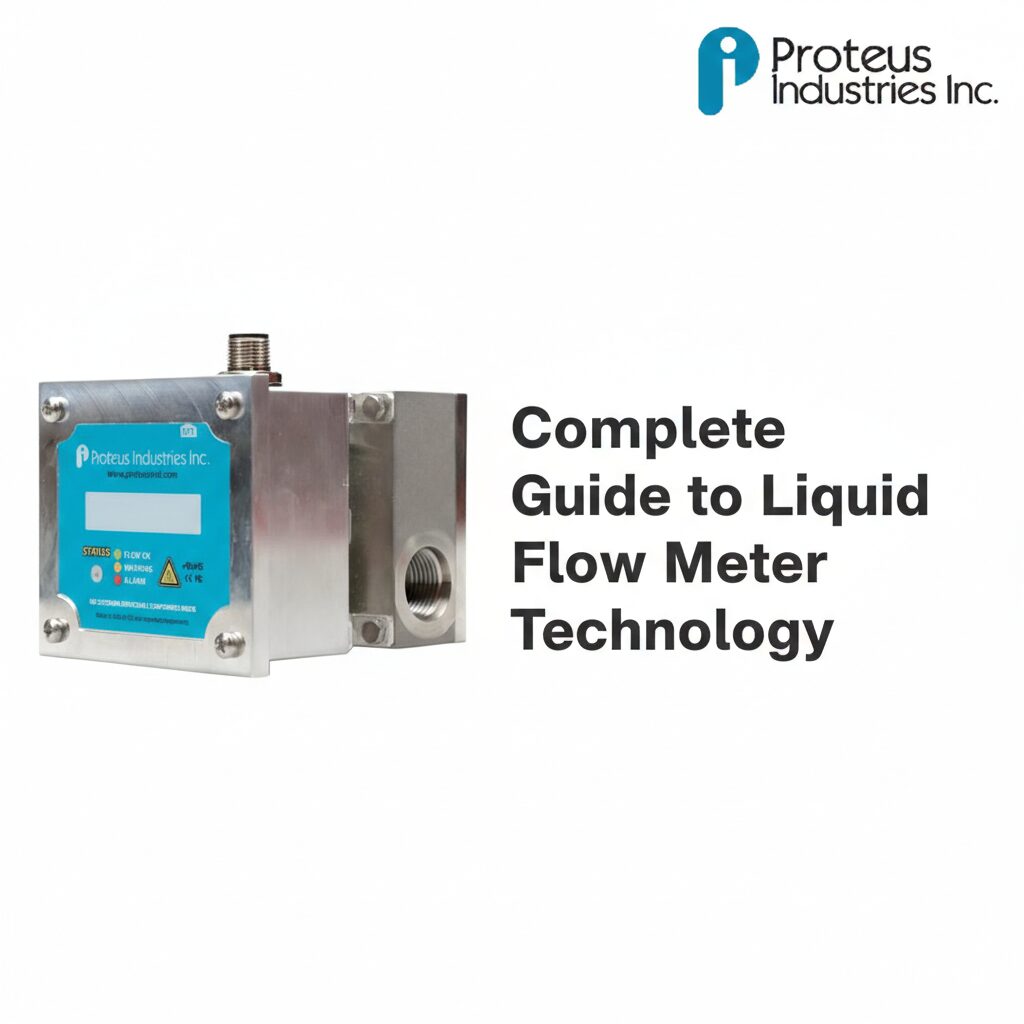
A liquid flow meter is a vital device used to measure the flow rate of liquids in industrial and commercial systems. Flow measurement plays a critical role in process control, quality assurance, and safety management. Modern industries rely heavily on accurate flow data to optimize operations and reduce waste. In this guide, you will learn about liquid flow meter technology, working principles, applications, and how to choose the right system for your needs.
What Is Liquid Flow Meter Technology?
Liquid flow meter technology refers to the methods and devices used to measure the movement of liquids in pipelines or systems. A liquid flow meter measures either volumetric or mass flow rates using mechanical, electronic, or digital sensors. Traditional flow meters used mechanical components, while advanced systems use digital sensors and IoT integration. In industrial automation, flow meters provide real-time data for monitoring, controlling, and optimizing production processes.
How Liquid Flow Meter Technology Works?
A liquid flow meter works by detecting changes in pressure, velocity, volume, or mass as liquid moves through a pipe. Volumetric flow measurement calculates the amount of liquid passing through a system, while mass flow measurement determines the actual mass of the liquid. Sensors detect flow signals and transmit them to controllers or monitoring systems. Signal processing technology converts raw data into readable flow values for industrial control systems.
Core Principles of Liquid Flow Measurement
Differential Pressure Principle
This principle measures the pressure drop across a restriction such as an orifice plate or venturi tube. The pressure difference is used to calculate the liquid’s flow rate.
Positive Displacement Principle
Positive displacement meters measure fixed volumes of liquid by trapping and moving it through rotating or moving chambers, making them ideal for viscous liquids.
Velocity-Based Measurement Principle
Velocity flow meters measure how fast the liquid moves through a pipe using sensors such as turbines, electromagnetic sensors, or ultrasonic waves.
Mass Flow Measurement Principle
Mass flow meters, such as Coriolis and thermal meters, directly measure liquid mass, offering high accuracy for critical applications.
Key Components of Liquid Flow Meter Systems
A liquid flow meter system includes sensors and transducers that detect flow, transmitters and controllers that process signals, and displays for monitoring. Modern systems also include communication modules for integration with SCADA and IoT platforms.
Applications of Liquid Flow Meter Technology
Liquid flow meters are used in many industries. In oil and gas, they measure fuel and crude oil flow. Water and wastewater facilities use them for distribution and treatment monitoring. Chemical and pharmaceutical industries rely on flow meters for dosing and mixing. Food and beverage manufacturers use flow meters for production control. HVAC and power plants use them to manage cooling and heating fluids.
Advantages of Modern Liquid Flow Meter Technology
Modern liquid flow meter technology offers high accuracy, reliability, and real-time monitoring. Automated flow systems improve efficiency, reduce waste, and lower operational costs. Advanced flow meters help industries save energy and optimize production processes.
How to Choose the Right Liquid Flow Meter Technology?
Choosing the right liquid flow meter depends on the liquid’s properties, such as viscosity, conductivity, and corrosiveness. Flow rate range and pipe size also affect selection. Accuracy requirements vary by industry, and installation and maintenance conditions must be considered to ensure long-term performance.
Installation, Calibration, and Maintenance
Proper installation of a liquid flow meter is essential for accurate measurement. Meters should be installed in straight pipe sections to reduce turbulence. Calibration ensures accuracy and should be performed annually or semi-annually. Regular maintenance, cleaning, and inspection help extend the lifespan of flow meters.
Challenges and Limitations
Liquid flow meters can face measurement errors due to temperature changes, pressure variations, and fluid properties. Some advanced meters are expensive and complex to install. Common technical challenges include sensor fouling, signal interference, and calibration drift.
Future Trends in Liquid Flow Meter Technology
Future liquid flow meter technology includes Industry 4.0 integration, AI-based monitoring, and smart analytics. Wireless and remote monitoring systems allow real-time data access and predictive maintenance, improving industrial efficiency.
Conclusion
A liquid flow meter is an essential tool for measuring and controlling liquid flow in modern industries. Understanding flow meter technology, types, and working principles helps businesses choose the right system for their applications. With advancements in smart monitoring and automation, liquid flow meters are becoming more efficient and reliable. Selecting the right liquid flow meter technology ensures accurate measurement, cost savings, and improved operational performance.
FAQs
What is the most advanced liquid flow meter technology?
Coriolis mass flow meters are considered the most advanced and accurate technology.
Can liquid flow meters be integrated with IoT systems?
Yes, smart liquid flow meters can connect with IoT platforms for remote monitoring and automation.
How often should flow meters be calibrated?
Most industries recommend calibration every 6 to 12 months, depending on usage and regulatory requirements.
What factors affect the accuracy of a liquid flow meter?
Accuracy can be affected by fluid viscosity, temperature, pressure, pipe installation, turbulence, and sensor quality. Proper installation and regular calibration help maintain precise flow measurements.
Which liquid flow meter is best for corrosive or harsh liquids?
Electromagnetic and Coriolis flow meters are commonly used for corrosive or harsh liquids because they have no moving parts and are made of corrosion-resistant materials for long-term durability.


 nelson k
 Kanishka Moorthy