Hannah Mariano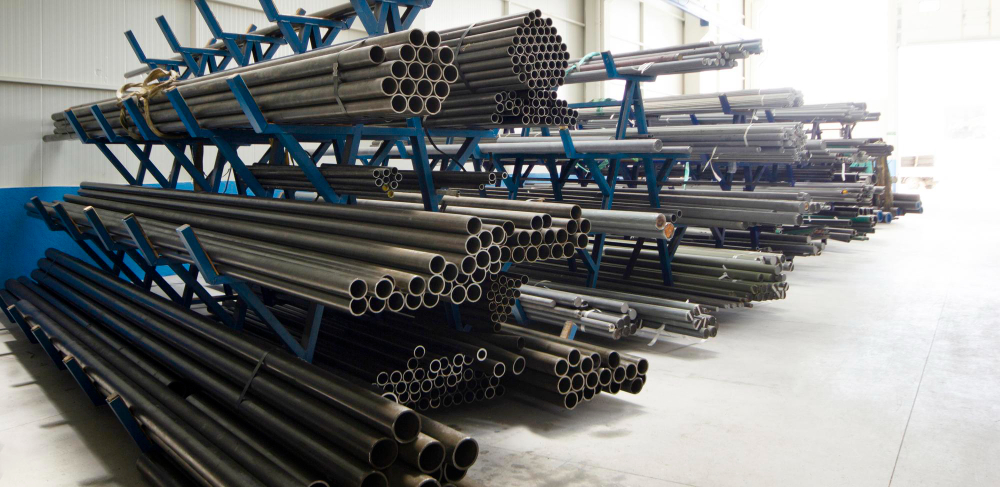
Builders now watch the market closely to manage their project budgets and costs this year. Most construction supplies in the Philippines show that cement and steel remain the main factors for total expenses. These items change in price because of global trade shifts and local demand for new roads.
Market Prices for Basic Materials
The cost of a standard bag of cement currently stays near 205 pesos in many retail shops. Local hardware stores often adjust their prices based on the cost of power used in local factories. These price shifts make it hard for small contractors to give a fixed quote for long projects.
Prices for sand and gravel are gradually increasing as local quarries must comply with new environmental regulations. In most places, a cubic meter of sand will cost you about 535 pesos. The distance between your project site and the primary supply source determines these costs.
Reinforcing steel bars are a big part of the budget for any new home or building project. Grade 40 steel bars currently cost about 34 pesos for every kilogram you buy at the yard. Keeping track of these numbers helps you avoid big surprises when it is time to order.
Factors Driving Price Changes
Global oil prices affect how much it costs to move heavy materials across the different islands. When fuel costs go up, the price of heavy items like concrete blocks also tends to rise. This connection makes it hard to keep a fixed price for projects that last many months.
Government spending on large bridges and roads also pulls a lot of supply from the private market. High demand for public works can lead to a short supply for smaller home building projects. This competition often pushes retail prices higher during the peak building months of the dry season.
Imported materials like finished tiles and plumbing fixtures depend on the value of the local currency. A weaker peso makes these items more expensive for local homeowners who want a modern kitchen look. Many builders now look for local options to avoid the high cost of goods from overseas.
Labor Costs and Building Totals
The daily rate for skilled workers like masons and carpenters has gone up in several regions. A skilled worker now earns around 110 pesos per hour in some major provincial trade hubs. These higher wages add to the total cost of finishing a building beyond just material prices.
It is also harder to find good workers in busy cities where many new projects are starting. When you cannot find enough help, your project takes longer and your total costs go up. Management of your schedule is the only way to handle these labor issues while you work.
The cost of labor often accounts for forty percent of the total budget for a residential home. You must factor in the cost of food and travel for your team of builders each day. These small daily expenses add up to a large sum over a six-month building period.
Local Versus Provincial Prices
Prices in the big city are often not the same as the rates in the provinces. Shipping costs add a lot to the price of items like paint, tiles, and electrical wires. You might save money if you find a supplier that is close to a main port.
Areas with their own quarries usually have cheaper sand and gravel for your concrete mix needs. But these same areas might pay more for tools and finished goods that come from far away. Always look at the local price list for your specific town before you start building.
Logistics companies charge more to deliver heavy loads to remote islands or mountain areas in the north. This means a bag of cement in a remote town can cost thirty percent more than in Manila. Project managers must include these transport fees when they calculate the final price of the house.
Common Materials Used in Local Housing
Hollow blocks remain the most common choice for walls in Filipino homes because they are very cheap. A standard four-inch block usually costs around 13 to 15 pesos at a local supply yard. These blocks are easy to find but require a lot of cement mortar to install properly.
Roofing materials like long-span metal sheets have seen a price increase due to the cost of zinc. Most homeowners pay around 350 pesos per linear meter for a quality pre-painted roof sheet today. Choosing a thicker gauge helps the roof last longer against the strong winds of the rainy season.
Electrical supplies such as copper wires and plastic pipes also follow the global price of raw metals. A roll of standard house wire can cost between 3,000 and 4,500 pesos depending on the brand. You should check if the products have the proper safety marks from the local trade office.
Managing Project Expenses
Ordering materials in bulk can sometimes help you get a better price for your building project. Many suppliers offer discounts when you buy a full truckload of sand or several pallets of cement. This method reduces the number of trips and helps you lower the total cost of transport.
You should also look for local brands that offer the same quality as more expensive imported goods. Local paint and tile brands often provide great results for a much lower price point per unit. Using these items allows you to stay within your budget without losing the quality of the finish.
Recycling wood from old structures is another way to save money on the cost of formworks. Scaffolding and frames do not need new wood if the old materials are still strong and straight. This practice helps the environment and keeps more money in your pocket for the finishing stage.
Key Takeaway
Smart builders keep a close eye on the market to protect their money from sudden price shifts. Most construction supplies in the Philippines will likely stay tied to global energy costs and national building programs. You should talk to multiple suppliers to get the best value for your construction project this year.


 Nilesh Prasad
 nikita pawar