Vishal Yadav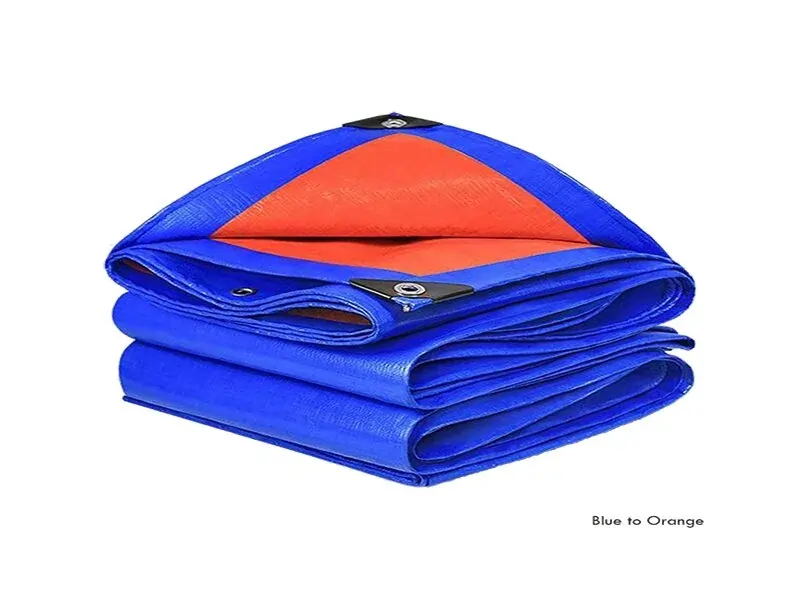
Tarpaulins are widely used for protecting goods, equipment, and materials from weather conditions. Among the most common types are HDPE tarpaulin and PVC tarpaulin. Both materials offer durability and weather resistance, but they differ in terms of material composition, strength, flexibility, and applications. A reliable HDPE Tarpaulin Manufacturer or PVC tarpaulin supplier can help industries choose the right material depending on their specific requirements.
What Is HDPE Tarpaulin?
HDPE (High-Density Polyethylene) tarpaulin is made from woven polyethylene fabric laminated with LDPE (Low-Density Polyethylene). This combination provides strength, lightweight properties, and resistance to moisture. HDPE tarpaulins are commonly used in agriculture, construction, transportation, and temporary coverings.
What Is PVC Tarpaulin?
PVC tarpaulin is made by coating or laminating polyester fabric with polyvinyl chloride (PVC). This process creates a strong, waterproof, and flexible material suitable for heavy-duty industrial applications. PVC tarpaulins are widely used for truck covers, tents, industrial curtains, and outdoor structures.
Key Differences Between HDPE Tarpaulin and PVC Tarpaulin
Material Composition
-
HDPE Tarpaulin: Made from woven polyethylene fabric laminated with LDPE coating.
-
PVC Tarpaulin: Made from polyester fabric coated with polyvinyl chloride.
Weight and Flexibility
-
HDPE Tarpaulin: Lightweight and easy to handle.
-
PVC Tarpaulin: Heavier but more flexible and durable for heavy-duty use.
Strength and Durability
-
HDPE Tarpaulin: Suitable for light to medium-duty applications.
-
PVC Tarpaulin: Offers higher strength and is ideal for heavy industrial applications.
Waterproof Properties
-
HDPE Tarpaulin: Water-resistant and suitable for general outdoor protection.
-
PVC Tarpaulin: Fully waterproof and performs better in harsh weather conditions.
Cost
-
HDPE Tarpaulin: More affordable and widely used for temporary applications.
-
PVC Tarpaulin: More expensive due to its higher strength and durability.
Applications of HDPE Tarpaulin
-
Agricultural crop protection
-
Construction site covers
-
Temporary shelters
-
Packaging and storage
-
Covering building materials
Applications of PVC Tarpaulin
-
Truck and trailer covers
-
Industrial curtains
-
Warehouse partitions
-
Event tents and canopies
-
Heavy-duty equipment covers
Which Tarpaulin Should You Choose?
The choice between HDPE and PVC tarpaulin depends on the intended application. If you need a lightweight and cost-effective covering for temporary use, HDPE tarpaulin is a suitable option. However, for heavy-duty industrial applications requiring higher strength and waterproof performance, PVC tarpaulin is the better choice.
Conclusion
Both HDPE and PVC tarpaulins are reliable protective materials used in various industries. HDPE tarpaulins are lightweight, economical, and suitable for general-purpose covering, while PVC tarpaulins offer superior durability and waterproof protection for heavy-duty applications. Selecting the right tarpaulin type ensures better performance and long-lasting protection for industrial and commercial needs.


 concators concat
 Village Green Alzheimers Care