james godfrey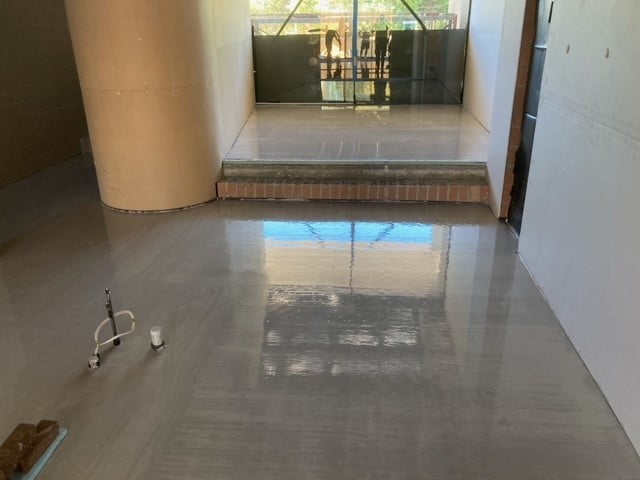
Homeowners across the UK switch on their underfloor heating as winter bites. They expect consistent warmth that rises evenly through every room. Instead, cold spots linger in certain areas. The floor feels patchy underfoot. Heat seems to pool in one corner while another stays cool. Many blame the boiler or the pipe layout. In reality, the screed depth above those pipes often causes the issue. A mismatched depth disrupts thermal flow. It turns a reliable system into an unreliable one. This problem surfaces most in winter because lower outside temperatures expose any inefficiency fast.
Builders install underfloor heating with high hopes. They lay pipes and pour screed on top. Yet the finished floor underperforms. The reason lies in the material and the measurement. Thermal screed in Birmingham projects shows this pattern time and again. Homeowners notice the difference only when the cold weather tests the system. Specialists in liquid screed in Aylesbury see the same complaints roll in each season. They trace the root cause back to one detail: the depth and type of screed. Get that wrong and the entire heating performance drops.
Why Sand-Cement Screed Falls Short
Sand-cement screed conducts heat at a lower rate. It holds onto warmth longer but releases it slowly. Calcium sulphate screed behaves differently. It moves heat faster across the entire floor surface. The material creates a more responsive layer that matches the demands of modern underfloor heating.
Contractors who choose sand-cement often end up with a thicker slab. That extra mass acts like a barrier in winter. Heat takes longer to reach the floor finish. Rooms stay cooler for hours after the system starts. Calcium sulphate changes the equation. Its higher conductivity cuts response time. Heat spreads uniformly without lag. Homeowners feel the benefit straight away when temperatures drop outside.
The difference matters most in large open-plan spaces. Sand-cement creates noticeable gradients. One zone warms while another lags behind. Calcium sulphate eliminates those gradients. It delivers consistent output across the whole area. Projects that use thermal screed in Birmingham highlight this advantage. The floors respond faster and maintain steady warmth even on the coldest days. Specialists in liquid screed recommend calcium sulphate precisely because it maximises underfloor heating efficiency. They see fewer callbacks once the right material goes down.
Getting the Depth Right: Exact Tolerances Above Your UFH Pipes
Depth above the pipes controls everything. Too little coverage and the pipes risk damage or uneven pressure. Too much, and heat transfer slows to a crawl. Exact tolerances exist for a reason. They ensure the system delivers full performance without waste.
Calcium sulphate liquid screed works best with a minimum of 30 millimetres of cover directly above the pipes. Many specialists target 40 to 50 millimetres total depth for optimal results. This range includes the pipe diameter itself. It leaves enough material to encase the pipes fully while keeping thermal mass low. The thinner profile allows heat to rise quickly. Underfloor heating efficiency improves because the system does not fight through excess screed.
Sand-cement screed demands more generous coverage. Contractors usually apply 65 to 75 millimetres total depth to achieve the same protection and stability. The extra thickness increases thermal lag. Heat takes longer to penetrate the surface. In winter, this delay becomes obvious. Rooms feel cold even when the thermostat reads the right figure.
Tolerances add another layer of precision. Liquid screed allows a variance of plus or minus 5 millimetres across the floor. This tight control keeps the cover consistent everywhere. Sand-cement tolerates wider swings, often up to 10 millimetres. Those swings create pockets where depth varies. Heat output follows the variation and leaves cold spots behind. Correct depth tolerances turn a good underfloor heating design into a great one. They prevent the very complaints that appear once winter arrives.
Common Errors Non-Specialist Contractors Make
Non-specialist teams tackle screed work without full expertise. They follow general rules instead of project-specific calculations. The results show up later as uneven heating. Birmingham sites see this pattern repeat in extensions and renovations. Aylesbury projects reveal the same issues when contractors cut corners on preparation or measurement.
Many teams apply the wrong screed type for the heating system. They default to sand-cement because it feels familiar. The material works for basic floors but struggles with underfloor heating pipes. Heat distribution suffers. Others pour liquid screed but ignore the manufacturer’s guidelines on depth. They add extra material for safety and create unnecessary thermal mass. Winter exposes the mistake when rooms refuse to warm evenly.
Levelling presents another frequent error. Teams rely on manual methods instead of precise tools. The floor ends up with subtle undulations. Pipes sit at different heights in places. Coverage varies by several millimetres. Heat rises faster in shallow zones and slower in deeper ones. The floor develops hot and cold patches that homeowners notice immediately in cold weather.
Some contractors rush the pour. They fail to check pipe fixing or insulation first. Air gaps form under the screed. Those gaps block heat flow completely in isolated spots. Others forget to account for the pipe diameter in their depth calculations. The final cover ends up thinner than planned. Pipes sit too close to the surface and create stress points. All these mistakes compound in Birmingham and Aylesbury, where rapid housing growth brings in mixed skill levels. The end result feels the same: underfloor heating that never quite delivers full potential.
SR2 Laser Levelling: The Key to Eliminating Heat Pockets
Flatness decides how evenly heat travels upward. SR2 laser levelling sets a high standard that ordinary methods cannot match. The precision removes the waves and dips that trap heat or let it escape unevenly.
Laser levelling works from a fixed datum point. Teams set the level once and maintain it across the entire floor. The screed flows to that exact plane. Pipes remain at a uniform depth everywhere. Heat rises in a straight, consistent pattern. No pockets form where warmer air collects, or cooler zones develop. The floor performs exactly as the underfloor heating design intended.
Get a specialist in liquid screed in Aylesbury before your screed is poured. Talk to experts who understand the exact tolerances and material behaviours. They review your pipe layout, insulation and floor build-up. They calculate the right depth and recommend the best screed type for your specific project. Act before the concrete flows. The difference shows every time the temperature drops outside.


 Animea Renax
 Mohit Mittal