The Mind Psychological Services and Training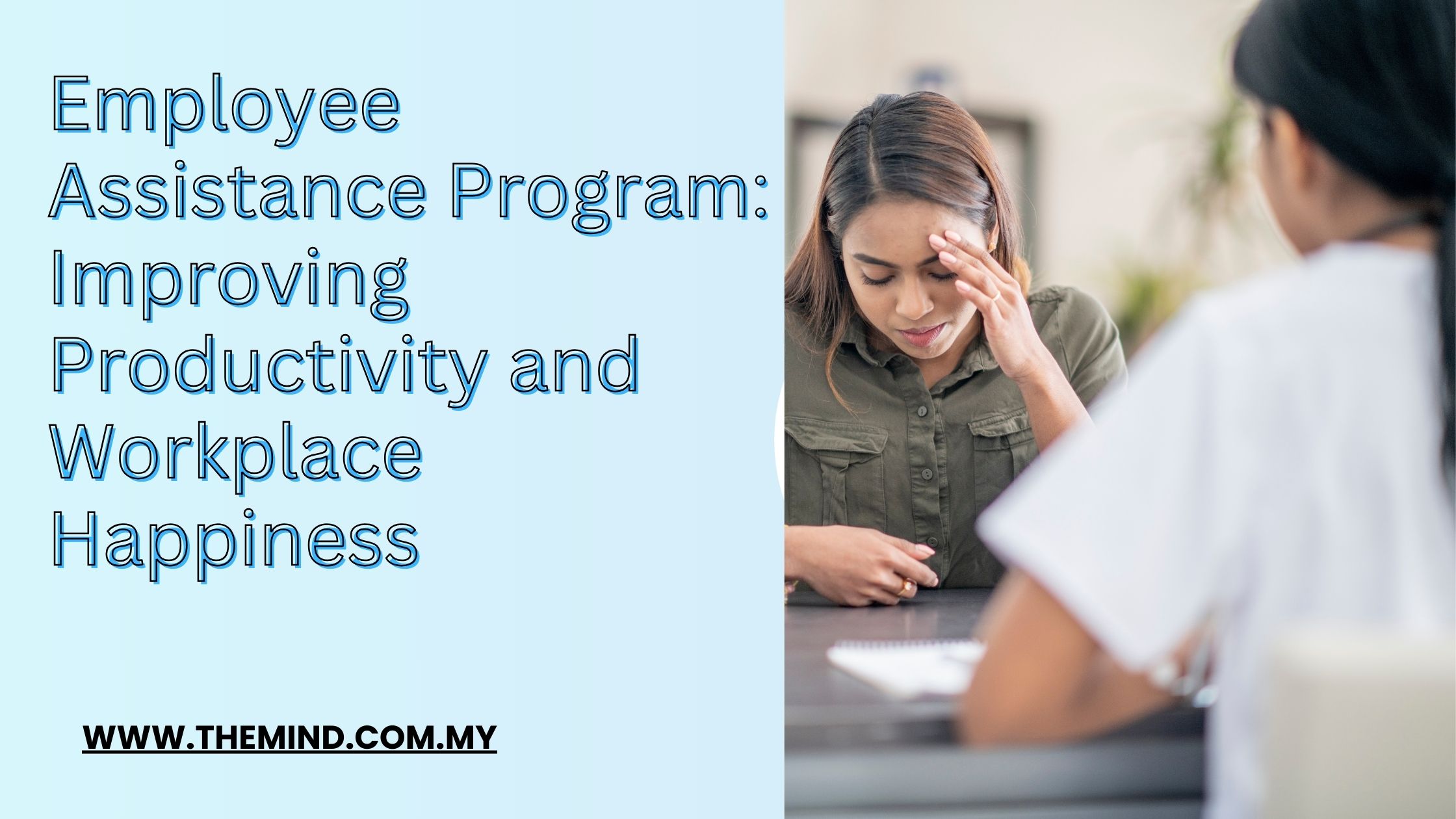
In today’s competitive and demanding work environment, organizations are increasingly recognizing the importance of employee well-being. Employees face numerous challenges both inside and outside the workplace, including work pressure, personal responsibilities, financial concerns, and relationship issues. When these problems become overwhelming, they can negatively impact an employee’s mental health, productivity, and job satisfaction. This is where an Employee Assistance Program (EAP) plays a vital role.
An Employee Assistance Program is a workplace initiative designed to provide professional support and resources to employees who may be dealing with personal or work-related challenges. By offering confidential counseling and guidance, EAPs help employees manage stress, maintain emotional balance, and perform better at work. As a result, organizations benefit from improved productivity and a happier, more engaged workforce.
What Is an Employee Assistance Program?
An Employee Assistance Program is a structured support system provided by employers to help employees deal with personal and professional challenges that may affect their work performance or overall well-being. EAPs typically offer confidential counseling services, mental health support, and practical guidance on various issues.
These programs are usually delivered by qualified psychologists, counselors, or mental health professionals who understand workplace challenges and emotional well-being. Employees can access EAP services through in-person sessions, telephone consultations, or online platforms, making support accessible and convenient.
The primary goal of an EAP is to ensure that employees receive the help they need to overcome difficulties while maintaining their productivity and job satisfaction.
Supporting Employee Mental Health
Mental health is a key factor that influences workplace performance. Employees who are experiencing high levels of stress, anxiety, or emotional distress may struggle to focus on their tasks, make decisions, or collaborate effectively with colleagues.
Employee Assistance Programs provide a safe and confidential space where employees can discuss their concerns openly with trained professionals. These sessions allow individuals to explore the causes of their stress and develop effective coping strategies.
By addressing mental health challenges early, EAPs help employees regain emotional balance and confidence, enabling them to perform their roles more effectively.
Reducing Workplace Stress
Workplace stress is one of the most common challenges employees face. Heavy workloads, tight deadlines, job insecurity, and workplace conflicts can create significant pressure. Over time, unmanaged stress can lead to burnout, absenteeism, and decreased productivity.
EAPs help employees learn practical stress management techniques such as time management, relaxation exercises, and mindfulness strategies. These tools enable employees to handle workplace challenges more effectively and maintain a healthier work-life balance.
When employees feel less overwhelmed, they are better able to focus on their responsibilities and contribute positively to the organization.
Improving Productivity and Performance
A healthy and supported workforce is more productive and motivated. When employees have access to professional support through an Employee Assistance Program, they are better equipped to manage personal challenges that might otherwise affect their work performance.
EAP services help employees address issues such as emotional stress, family problems, financial concerns, or workplace conflicts before they escalate. This proactive approach reduces distractions and allows employees to concentrate on their tasks more effectively.
Organizations that invest in EAP programs often experience lower absenteeism, higher employee engagement, and improved overall productivity.
Promoting Work-Life Balance
Maintaining a balance between work and personal life can be challenging for many employees. Long working hours, family responsibilities, and personal commitments often create additional stress.
Employee Assistance Programs provide guidance on managing these responsibilities more effectively. Counselors may help employees develop strategies for setting priorities, establishing boundaries, and improving time management.
Some EAPs also offer additional resources such as financial counseling, legal advice, or parenting support. These services help reduce personal stress, allowing employees to focus more effectively on their professional roles.
Creating a Positive Workplace Culture
Employee Assistance Programs contribute significantly to creating a supportive and positive workplace culture. When organizations invest in employee well-being, it sends a strong message that they value their workforce.
Employees who feel supported by their employers are more likely to remain loyal, motivated, and engaged. A positive workplace culture encourages teamwork, open communication, and mutual respect among employees.
In addition, EAP programs help reduce the stigma associated with mental health issues by encouraging employees to seek help when needed.
Strengthening Employee Relationships
Workplace relationships play a major role in job satisfaction and productivity. Conflicts between colleagues or communication issues within teams can create tension and reduce collaboration.
Employee Assistance Programs often include conflict resolution and communication support. Counselors can guide employees on how to handle disagreements constructively and improve their interpersonal skills.
Better communication and stronger relationships contribute to a more harmonious work environment where employees can work together effectively.
Long-Term Benefits for Organizations
The benefits of Employee Assistance Programs extend beyond individual employees. Organizations that prioritize mental health and well-being often experience long-term advantages, including reduced turnover, improved employee retention, and stronger workplace morale.
By addressing employee concerns early and providing ongoing support, companies can build a healthier and more resilient workforce. This ultimately leads to greater organizational success and sustainable growth.
Conclusion
Employee Assistance Programs play a crucial role in improving productivity and workplace happiness. By offering confidential counseling, mental health support, and practical guidance, EAPs help employees manage personal and professional challenges effectively.
When employees feel supported and valued, they are more likely to stay motivated, engaged, and productive. Investing in an Employee Assistance Program is not only beneficial for employees but also for organizations seeking to create a positive, healthy, and successful workplace.


 Dynamic Life Clinics