Shabana Ashmi
Modern architecture has always balanced two essential goals: performance and aesthetics. Today, intelligent glass systems are helping designers and property owners achieve both. By combining advanced light-control technology with sleek, contemporary design, these innovative glazing solutions are redefining how buildings look, feel, and function.
From commercial skyscrapers to luxury homes, intelligent glass has rapidly moved from a niche feature to a mainstream architectural upgrade. The reason is simple — it delivers measurable energy savings while enhancing visual appeal.
What Are Intelligent Glass Systems?
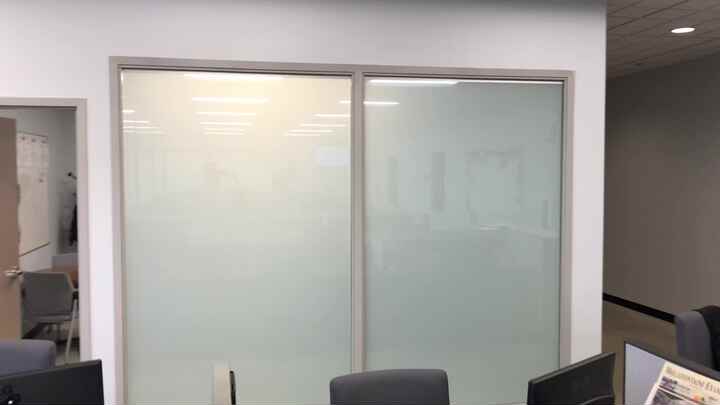
Intelligent glass systems use advanced technologies, such as electrochromic, thermochromic, or liquid-crystal-based solutions, to control light transmission. With the touch of a button, automated sensor, or integrated building management system, the glass can shift from transparent to tinted or frosted.
This adaptability allows property owners to regulate sunlight, glare, and privacy without relying on traditional blinds or curtains. The result is a cleaner aesthetic and improved building performance.
NOTE: Pdlc Smart Glass enhanced commercial spaces by providing instant privacy and modern design. Offices became more functional and visually appealing while reducing glare and energy use. Businesses seeking reliable solutions relied on Smart Glass Dubai for expert installation and professional guidance to maximize the benefits of advanced smart glass technology.
Driving Energy Efficiency in Modern Buildings

Energy consumption remains one of the biggest challenges in commercial and residential construction. Large glass windows and facades create beautiful, open environments, but often increase solar heat gain and cooling demands.
Intelligent glass addresses these issues by dynamically controlling the amount of heat and light entering a space. During peak sunlight hours, the glass can tint automatically to reduce glare and minimize indoor temperature spikes. This reduces strain on HVAC systems and lowers electricity usage.
In cooler conditions, the glass can remain clear to maximize natural daylight and passive solar warmth. Over time, this responsive performance contributes to:
- Lower energy bills
- Reduced carbon footprint
- Improved indoor climate stability
- Greater compliance with green building standards
For developers pursuing sustainability certifications, adaptive glazing technology has become a valuable asset.
Enhancing Occupant Comfort and Productivity
Energy efficiency is only part of the equation. Intelligent glass also significantly improves occupant comfort.
Glare from direct sunlight can disrupt office work, cause eye strain, and impact productivity. In residential settings, it can make living spaces uncomfortable during certain times of the day. By automatically or manually adjusting tint levels, intelligent glass ensures consistent lighting conditions without blocking views.
In offices, this creates a more focused work environment. In homes, it enhances relaxation and daily comfort. The ability to control privacy instantly — especially in meeting rooms, bathrooms, and open-plan layouts — adds another layer of functionality.
Comfort-driven design is increasingly linked to employee satisfaction and tenant retention, making this technology attractive to commercial property owners.
Aesthetic Appeal and Modern Design
Minimalism continues to dominate architectural trends. Clean lines, open spaces, and natural light define modern interiors. Traditional blinds and curtains often interrupt this visual flow.
Intelligent glass eliminates the need for bulky window treatments. It maintains unobstructed views while offering privacy on demand. The seamless integration into windows, partitions, skylights, and facades enhances both interior and exterior design.
In luxury properties and high-end commercial spaces, this technology also adds a distinctive “wow factor.” Visitors and clients are impressed by the smooth transition from clear to tinted or frosted glass, reinforcing a brand image of innovation and forward thinking.
Smart Integration for the Future
As smart buildings become more common, intelligent glass systems are increasingly integrated into centralized automation platforms. They can be programmed to respond to:
- Time of day
- Sun position
- Interior temperature
- Occupancy sensors
This automation reduces manual adjustments and ensures optimal energy performance throughout the day.
In residential properties, integration with smart home systems allows homeowners to control glass settings via mobile apps or voice commands. This level of convenience aligns with the growing demand for connected living environments.
Long-Term Value and Investment Potential
Although intelligent glass systems may involve higher upfront costs compared to traditional glazing, the long-term benefits often outweigh the investment.
Property owners can experience:
- Reduced operational expenses
- Increased property value
- Stronger appeal to modern tenants and buyers
- Lower maintenance compared to mechanical shading systems
In competitive real estate markets, energy-efficient and technologically advanced features can significantly differentiate a property.
The Future of Adaptive Architecture
The rise of intelligent glass systems reflects a broader shift toward adaptive architecture — buildings that respond to environmental conditions and user needs in real time.
As energy regulations tighten and sustainability becomes a priority worldwide, dynamic glazing solutions are expected to play a larger role in both new construction and renovation projects. Architects and developers are no longer forced to choose between beauty and performance.
Intelligent glass proves that buildings can be both stylish and efficient. By merging cutting-edge technology with elegant design, these systems are shaping the next generation of architecture — one where comfort, sustainability, and visual sophistication coexist seamlessly.


 Prabhat Upadhyay
 preet kaur