sijilas ixospace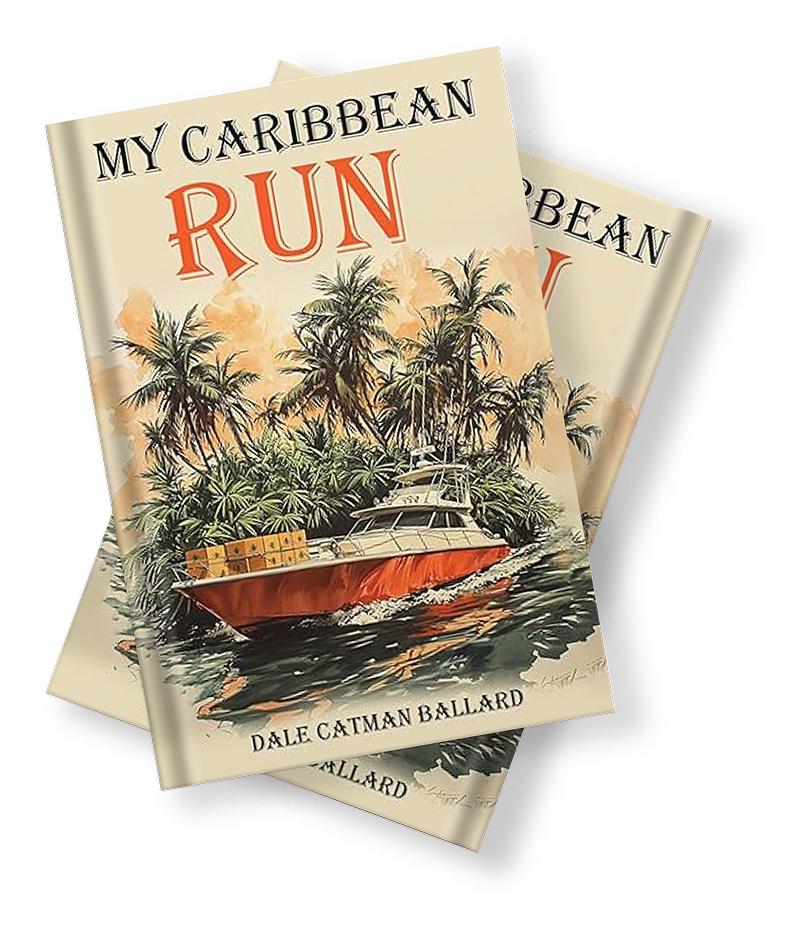
Have you ever wondered what it truly feels like to sail into the unknown, guided only by instinct, courage, and the stars above? The Caribbean Sea has long been a place of beauty, mystery, and danger. For some, it’s a vacation dream. For others, it becomes a proving ground for survival. This is where the extraordinary journey of Dale “Catman” Ballard begins.
This story is not just about boats, islands, or risky decisions. It’s about youth, rebellion, freedom, and the thin line between adventure and disaster. Like a ship navigating between coral reefs, Ballard’s life moved between risk and revelation. And what started as a smuggler’s voyage slowly transformed into an unforgettable memoir that continues to inspire readers today.
The Allure of the Caribbean Seas
There is something magnetic about the Caribbean. The water shimmers like glass, the wind carries stories, and every island feels like a secret waiting to be uncovered. For centuries, sailors, traders, and smugglers have been drawn here.
For Dale “Catman” Ballard, the Caribbean wasn’t a postcard image—it was a calling. The sea promised freedom, danger, and a life far from routine. Like a song you can’t get out of your head, the Caribbean kept pulling him back.
Who Is Dale “Catman” Ballard?
Before he became a writer, Ballard was a young man searching for meaning. He wasn’t chasing fame or comfort. He was chasing experience. The nickname “Catman” came from his sharp instincts and ability to survive tight situations—much like a cat landing on its feet.
His story matters because it’s honest. There’s no gloss, no exaggeration. Just a man telling the truth about choices made and lessons learned.
A Young Man Drawn to the Horizon
What pushes someone to leave everything familiar behind? Sometimes it’s boredom. Sometimes it’s curiosity. For Ballard, it was both.
The horizon represented possibility. Each sunrise at sea felt like a fresh page. And like many young adventurers, he believed danger was something that happened to other people.
Life at Sea: Freedom and Fear
Life on a boat sounds romantic, doesn’t it? Open skies, endless water, no rules. But the truth is more complex.
Freedom and fear live side by side at sea. One moment you’re laughing under the sun. The next, you’re battling waves that feel alive. Ballard learned quickly that the sea doesn’t care about confidence—it demands respect.
The Smuggler’s Path: Risk and Reality
Smuggling isn’t glamorous. It’s stressful, unpredictable, and often terrifying. But for a young man seeking fast money and adventure, it can seem tempting.
Ballard’s experiences reveal the raw truth behind the myth. Every trip carried risk. Every decision had consequences. Like walking a tightrope over open water, one wrong move could mean everything.
Storms, Silence, and Survival
Storms at sea are more than weather events. They test the soul. When the engine fails and the radio goes silent, you’re left alone with your thoughts.
These moments shaped Ballard deeply. Survival wasn’t about strength—it was about patience, humility, and never giving up when the odds turned ugly.
Island Encounters That Changed Everything
Not all lessons came from danger. Some came from people. Small islands introduced Ballard to fishermen, locals, and fellow sailors who lived life differently.
These encounters showed him that wealth isn’t always money. Sometimes it’s community, resilience, and knowing who you are.
Trust, Betrayal, and Brotherhood
At sea, trust is everything. You rely on others with your life. But trust can be broken.
Ballard’s journey includes moments of deep friendship and painful betrayal. These relationships added emotional depth to his story, making it more than just an adventure tale.
When Adventure Turns Dangerous
There’s a moment in every risky journey when excitement fades and reality hits hard. For Ballard, that moment came when survival became uncertain.
This shift—from thrill to fear—is where the memoir truly grips readers. It’s honest, uncomfortable, and deeply human.
Lessons Learned the Hard Way
Some lessons can’t be taught. They must be lived.
Ballard learned about responsibility, consequences, and the value of life itself. The sea, like a strict teacher, demanded attention and humility.
From Lived Experience to Written Word
Turning lived experience into a memoir isn’t easy. It requires reflection and courage.
Ballard didn’t write to impress. He wrote to remember, to process, and to share. That authenticity is what makes his story powerful.
Why This Memoir Feels So Real
Readers connect with honesty. There’s no hero mask here. Just a man owning his past.
The memoir resonates because it feels like a conversation, not a performance. You feel like you’re sitting across from Ballard, listening as the waves roll in.
The Caribbean as a Living Character
In this story, the Caribbean isn’t just a setting—it’s a character.
The sea challenges, teaches, and sometimes forgives. It shapes decisions and defines outcomes. Few memoirs capture place with such emotional weight.
Readers’ Connection to a Raw Story
Why do people love survival and adventure stories? Because they ask, What would I do?
Ballard’s story invites readers to reflect on their own risks, regrets, and dreams. It’s a mirror as much as a memoir.
A Legacy Forged by the Sea
Today, the journey of Dale “Catman” Ballard stands as a reminder that mistakes don’t define us—what we learn from them does.
His memoir is not about glorifying danger. It’s about understanding life through experience and coming out wiser on the other side.
Conclusion
The Caribbean Sea gave Dale “Catman” Ballard more than stories—it gave him perspective. From smuggler’s runs to moments of pure survival, his journey became something larger than himself. Like a weathered compass, his memoir now guides others, reminding us that the most powerful stories are the ones lived honestly.
FAQs
1. Who is Dale “Catman” Ballard?
Dale “Catman” Ballard is an adventurer and memoirist known for his real-life experiences sailing and surviving in the Caribbean.
2. Is this story based on real events?
Yes, the memoir is based on true experiences from Ballard’s life at sea.
3. Why is the Caribbean central to this memoir?
The Caribbean shaped Ballard’s journey emotionally and physically, acting as both setting and teacher.
4. Is the memoir about glorifying smuggling?
No, it presents an honest look at risks, consequences, and personal growth.
5. Who should read this memoir?
Anyone interested in adventure, survival, self-discovery, or real-life stories of transformation.


 Carlos Steven
 Aliaster Smith