Tech Mogi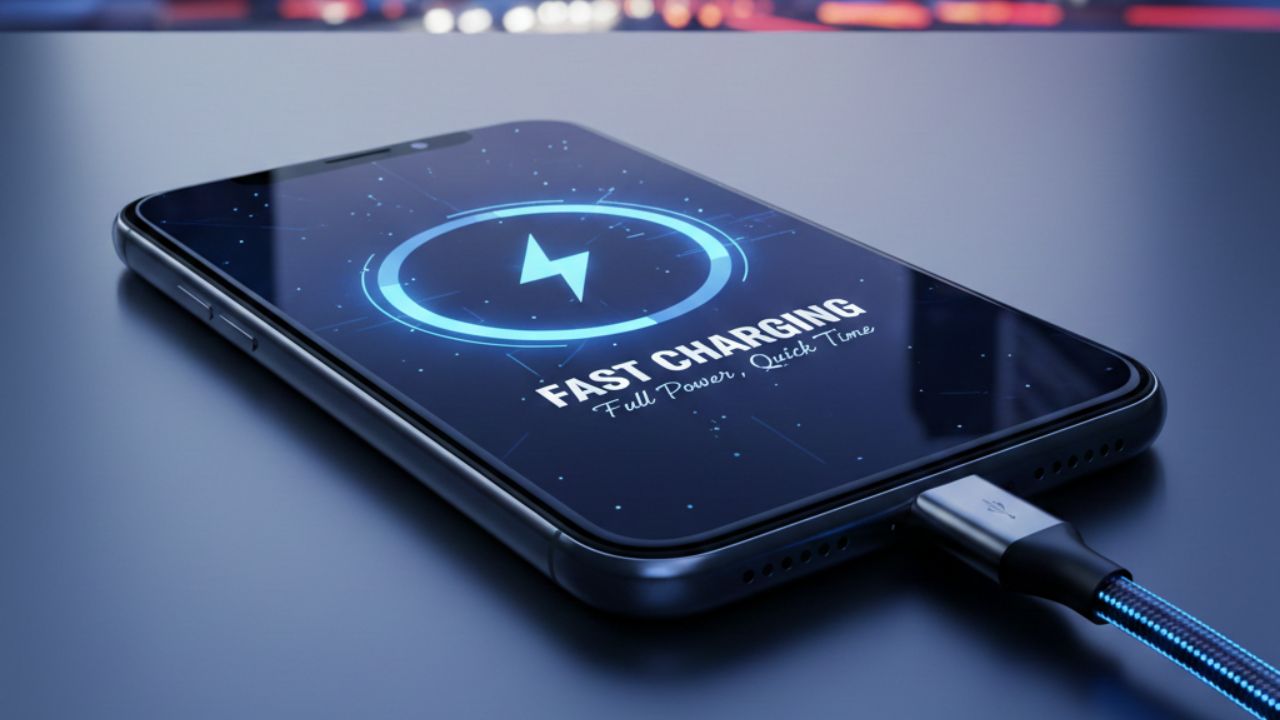
Smartphones, tablets, wireless earbuds, and laptops have become essential tools for communication, work, and entertainment. As technology advances, battery capacity continues to grow, but so does the demand for faster charging solutions. Waiting hours for a device to recharge is no longer practical for busy users. This is where a fast charging cable plays a critical role.
Many people assume that charging speed depends only on the charger adapter. In reality, the cable itself significantly affects how quickly and safely power flows into your device. Choosing the right cable can reduce charging time, improve device safety, and extend battery life.
This article explains everything you need to know about fast charging cables, including how they work, different types available, important features to consider, compatibility standards, and tips for choosing the best option for everyday use.
What Is a Fast Charging Cable
A fast charging cable is specially designed to deliver higher electrical current and power compared to standard charging cables. Traditional cables typically support slower charging speeds because they are built with thinner internal wiring and limited power capacity.
Fast charging cables use improved materials and advanced internal components that allow higher wattage transfer without overheating or damaging connected devices.
Most modern fast charging systems rely on communication between three components:
-
The charging adapter
-
The cable
-
The device battery management system
If any one of these does not support fast charging technology, charging speed automatically reduces to standard levels.
How Fast Charging Technology Works
Fast charging increases power delivery by raising voltage, current, or both. Instead of slowly sending electricity to the battery, the charger delivers higher energy during the early charging phase.
Many fast charging cables support advanced protocols such as:
-
USB Power Delivery
-
Quick Charge technology
-
Adaptive fast charging
The widely adopted USB Implementers Forum developed USB Power Delivery standards that allow compatible devices to negotiate safe power levels automatically.
Similarly, companies like Qualcomm introduced Quick Charge technology, enabling faster charging for supported Android smartphones.
These systems communicate digitally to determine how much power the battery can safely accept at any moment.
Types of Fast Charging Cables
Understanding cable types helps users choose the right product for their devices.
USB Type C Fast Charging Cable
USB Type C has become the modern standard for smartphones, tablets, and laptops. It supports high wattage delivery and fast data transfer speeds.
Advantages include:
-
Reversible connector design
-
Higher power capacity up to 100W or more
-
Compatibility with laptops and gaming devices
Many flagship smartphones from companies such as Samsung Electronics use USB Type C for fast charging.
Lightning Fast Charging Cable
Lightning cables are designed mainly for Apple devices. Newer models support fast charging when paired with USB Power Delivery adapters.
Devices produced by Apple Inc. can achieve rapid charging speeds when using certified cables and compatible adapters.
Micro USB Fast Charging Cable
Although gradually being replaced by USB Type C, Micro USB cables still exist in budget smartphones and accessories. Some versions support fast charging but typically offer lower wattage compared to modern options.
Key Features of a High Quality Fast Charging Cable
Not all cables advertised as fast charging deliver the same performance. Several factors determine reliability and charging speed.
Power Rating and Wattage Support
Check whether the cable supports 18W, 30W, 60W, or even 100W charging. Higher wattage cables are suitable for laptops and tablets, while lower ratings may be sufficient for smartphones.
Cable Thickness and Internal Wiring
Fast charging cables contain thicker copper wires that reduce resistance. Lower resistance means less heat generation and faster energy transfer.
Connector Quality
Strong connectors prevent loose connections and ensure consistent power flow. Poor connectors often cause intermittent charging or overheating.
Data Transfer Capability
Many fast charging cables also support high-speed data transfer. This is useful for file sharing, backups, or connecting devices to computers.
Certification and Safety Standards
Certified cables undergo safety testing to prevent electrical hazards. Certification ensures protection against overheating, voltage spikes, and short circuits.
Fast Charging Cable vs Regular Charging Cable
Many users wonder whether upgrading their cable truly makes a difference.
A regular cable:
-
Supports lower current flow
-
Charges devices slowly
-
May heat up during heavy use
A fast charging cable:
-
Transfers higher power safely
-
Reduces charging time significantly
-
Supports modern charging protocols
For example, a smartphone that takes three hours using a standard cable may fully charge in under one hour with a compatible fast charging setup.
Common Charging Standards Explained
Understanding charging standards helps avoid compatibility issues.
USB Power Delivery
USB Power Delivery dynamically adjusts voltage levels. It works across smartphones, tablets, gaming consoles, and laptops.
This universal compatibility makes it one of the most reliable charging standards available today.
Quick Charge Technology
Quick Charge focuses on increasing voltage efficiently. Many Android devices support this technology.
However, the charger, cable, and phone must all support the same version to achieve maximum speed.
Proprietary Charging Systems
Some manufacturers use customized fast charging systems designed for specific devices. These systems may require original or certified accessories for best performance.
Choosing the Right Fast Charging Cable
Buying the wrong cable can lead to slow charging or device damage. Consider the following tips.
Check Device Compatibility
Always confirm your device charging port type and supported charging standard before purchasing a cable.
Select Proper Length
Shorter cables generally offer slightly better efficiency. However, longer cables provide convenience for office desks or bedside charging.
Look for Durable Materials
Braided nylon cables resist bending and fraying better than standard plastic ones.
Avoid Extremely Cheap Options
Low-cost cables may lack internal safety protections. Spending slightly more often ensures reliability and longer lifespan.
Safety Considerations When Using Fast Charging Cables
Fast charging technology is safe when used correctly, but poor-quality accessories may cause problems.
Important safety tips include:
-
Avoid damaged or frayed cables
-
Do not cover devices while charging
-
Use certified adapters
-
Disconnect cables carefully without pulling the wire
Heat generation is normal during fast charging, but excessive heat indicates a compatibility or quality issue.
Benefits of Using a Fast Charging Cable
Switching to a fast charging cable offers several advantages.
Time Saving
Rapid charging allows users to power devices quickly before leaving home or during short breaks.
Improved Productivity
Professionals and students rely heavily on smartphones and laptops. Faster charging ensures devices remain available throughout the day.
Travel Convenience
Power banks and car chargers become more effective when paired with fast charging cables.
Battery Optimization
Modern fast charging systems slow down power delivery as the battery fills, helping reduce long-term battery stress.
Common Mistakes People Make
Even experienced users sometimes overlook important factors.
-
Using fast adapters with old cables
-
Mixing incompatible charging standards
-
Buying cables without checking wattage ratings
-
Ignoring certification labels
Avoiding these mistakes ensures optimal performance and safety.
Future of Fast Charging Cables
Charging technology continues evolving rapidly. New developments focus on higher efficiency and improved safety.
Emerging cables now support extremely high wattage levels capable of charging laptops and gaming devices quickly. Smart chips inside cables monitor temperature and automatically regulate power flow.
Wireless charging is also improving, but wired fast charging cables remain faster and more reliable for heavy users.
Conclusion
A fast charging cable is no longer just an accessory but an essential part of modern digital life. From reducing downtime to improving charging safety, the right cable can dramatically enhance device performance.
Understanding charging standards, compatibility requirements, and quality features helps users make smarter purchasing decisions. Investing in a reliable fast charging cable ensures quicker charging, longer accessory lifespan, and better overall device protection.
As smartphones and portable electronics continue advancing, fast charging technology will remain a key solution for staying connected without interruption.


 Kanishka Moorthy
 Albert Albert