john wick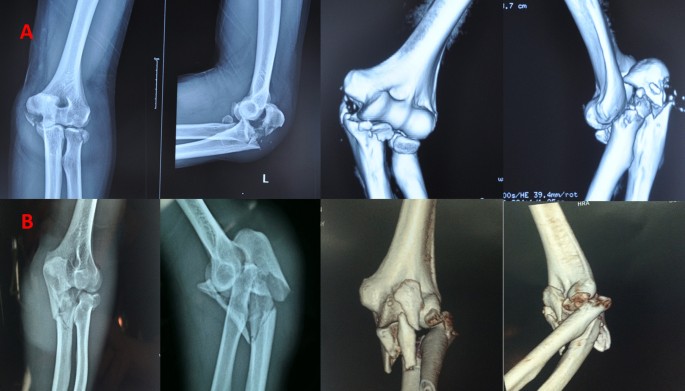
Injuries can happen suddenly and without warning, especially during daily activities, sports, or accidents. When bones or joints are affected, immediate attention becomes critical. At First Care Family Clinic, patients often arrive unsure whether their injury is serious or can wait. Understanding Fractures & Dislocations and knowing when to seek medical help fast can prevent complications, reduce pain, and ensure proper healing.
Understanding Fractures & Dislocations
Fractures occur when a bone breaks or cracks due to excessive force, while dislocations happen when a bone is pushed out of its normal position within a joint. Although these injuries differ, both can cause significant pain, swelling, and loss of function. Without timely care, they may lead to long-term mobility issues or chronic discomfort.
Bone injuries can affect people of all ages. Children, athletes, and older adults are particularly vulnerable due to physical activity levels, bone density changes, or accidental falls. Recognizing early signs helps avoid delays in treatment.
Common Causes of Bone and Joint Injuries
Fractures and joint dislocations often result from accidents, but everyday activities can also lead to injury. Falls are one of the leading causes, especially among seniors and young children. Sports-related impacts, sudden twisting movements, and direct blows to the body frequently contribute to joint displacement and bone breaks.
Car accidents, workplace injuries, and high-impact activities also increase risk. Even repetitive stress or weakened bones due to osteoporosis can cause fractures with minimal force.
Signs and Symptoms That Should Not Be Ignored
Knowing the warning signs of fractures and dislocations helps determine when medical attention is needed. Severe pain that worsens with movement is often the first indicator. Visible deformity, swelling, bruising, or an inability to move the affected area strongly suggests a serious injury.
Numbness, tingling, or discoloration around the injury site may indicate nerve or blood vessel involvement. These symptoms require immediate evaluation to prevent permanent damage.
When to Seek Medical Help Fast
Delaying care for bone and joint injuries can result in improper healing. Medical help should be sought immediately if pain is intense, the joint appears out of place, or the limb cannot bear weight. Open wounds near the injury, bleeding, or exposed bone are medical emergencies.
Prompt evaluation ensures accurate diagnosis through physical exams and imaging. Early treatment improves outcomes and reduces recovery time.
Types of Fractures & Dislocations
Bone and joint injuries vary in severity and type. Understanding these differences helps patients recognize why professional care is essential.
- Simple and Compound Fractures
Simple fractures involve a clean break without skin penetration, while compound fractures break through the skin. Compound injuries carry a higher risk of infection and require urgent treatment. - Stress and Hairline Fractures
These small cracks develop over time due to repetitive force. They may initially cause mild discomfort but worsen if ignored. - Partial and Complete Dislocations
Partial dislocations occur when the joint is misaligned, while complete dislocations fully separate joint surfaces. Both require proper repositioning by a medical professional. - Growth Plate Injuries
Common in children, these injuries affect developing bones and must be treated carefully to avoid growth problems.
Why Immediate Treatment Matters
Timely care for fractures and dislocations prevents complications such as chronic pain, joint instability, and reduced range of motion. Delayed treatment can cause bones to heal incorrectly, leading to deformity or long-term disability.
Medical professionals use imaging techniques like X-rays to determine injury severity. Once diagnosed, appropriate treatment plans restore alignment and promote healing.
Treatment Options for Fractures & Dislocations
Treatment depends on the injury’s location and severity. Medical professionals focus on stabilizing the area and relieving pain.
- Immobilization and Support
Casts, splints, and braces keep the injured area stable. Immobilization allows bones and joints to heal in the correct position. - Manual Reduction
For dislocations, trained providers carefully reposition the joint. This procedure relieves pain and restores normal function. - Medications for Pain and Inflammation
Pain management supports comfort during healing. Anti-inflammatory medications reduce swelling and aid recovery. - Physical Therapy and Rehabilitation
Rehabilitation strengthens muscles, restores mobility, and prevents stiffness after immobilization.
Recovery and Healing Process
Healing time varies depending on age, health, and injury type. Most fractures require several weeks to heal, while dislocations may recover faster with proper care. Following medical instructions is essential to avoid re-injury.
Rehabilitation plays a crucial role in restoring strength and flexibility. Gradual return to activity ensures long-term joint stability and bone health.
Preventing Future Injuries
Although accidents are not always avoidable, certain measures reduce injury risk. Wearing protective gear during sports, maintaining strong muscles, and improving balance can prevent falls. Proper footwear and safe environments at home and work also lower injury chances.
Maintaining bone health through proper nutrition and regular exercise supports long-term mobility and resilience.
Conclusion
Bone and joint injuries should never be taken lightly. Understanding Fractures & Dislocations and acting quickly can make a significant difference in recovery and long-term health. At First Care Family Clinic, timely evaluation and compassionate care help patients return to their daily lives safely. Seeking medical help fast is the key to preventing complications and ensuring proper healing.
FAQs
What is the difference between fractures and dislocations?
Fractures involve broken bones, while dislocations occur when a joint moves out of place.
Can fractures heal without medical treatment?
Some minor fractures may heal, but improper alignment can cause long-term problems without medical care.
How painful are dislocations?
Dislocations are usually very painful and limit movement until the joint is repositioned.
How long does recovery take?
Healing time varies but often ranges from a few weeks to several months depending on injury severity.
When should I go to urgent care for these injuries?
Seek care immediately if there is severe pain, deformity, swelling, or inability to move the affected area.

 DR Andrew Broadhurst
 royal clinic