Ultra Sonic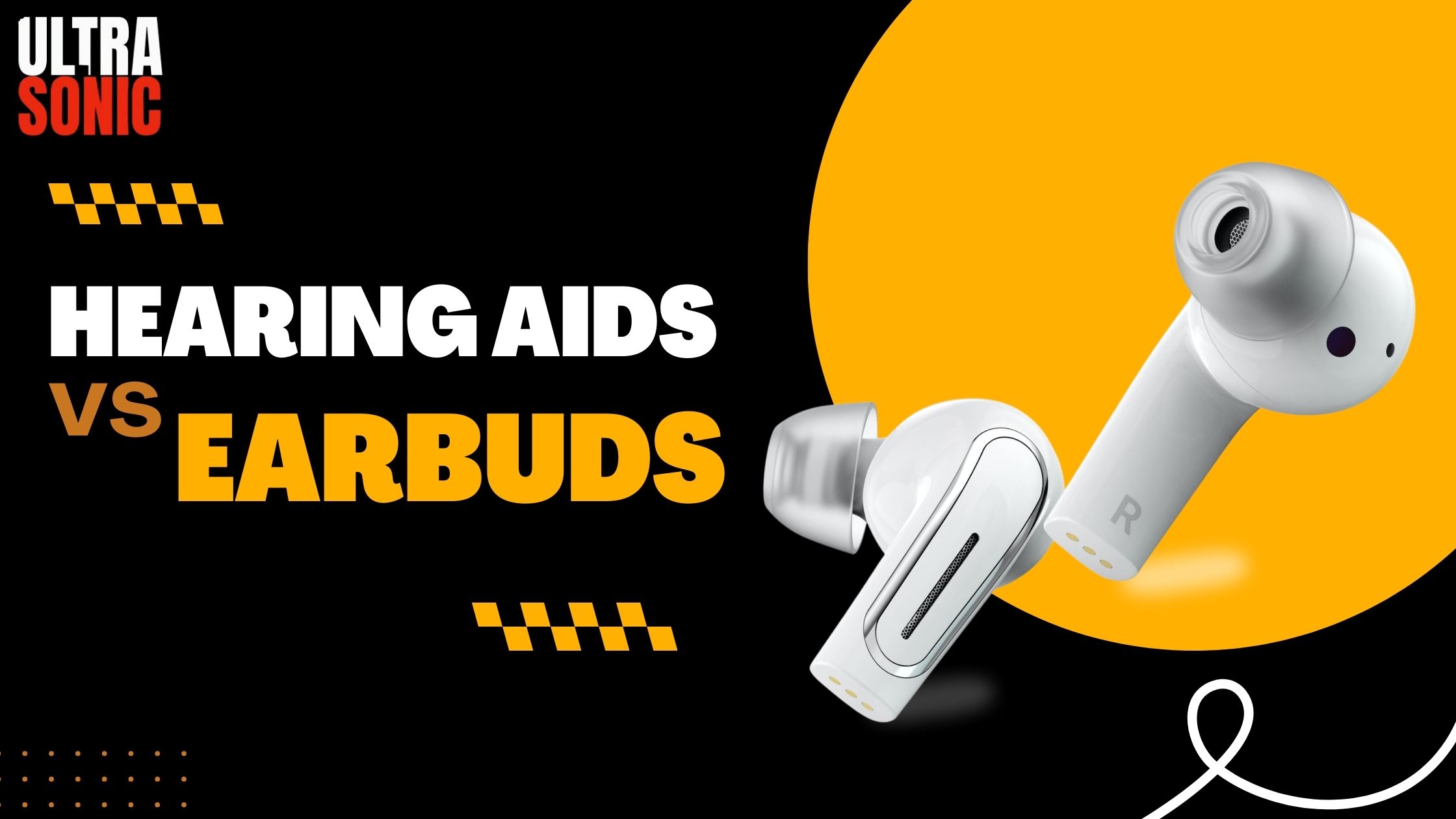
With rapid advancements in audio technology, people today have more options than ever to improve their listening experience. Two commonly compared solutions are hearing aids and earbuds. While both are worn in or around the ears and deliver sound, they serve very different purposes. Understanding the key differences between Hearing Aids vs Earbuds is essential for making the right choice, especially for individuals seeking better hearing clarity in daily life.
This guide explores the comparison across technology, comfort, performance, and usability to help you make an informed decision.
Understanding the Core Purpose
The most important distinction in the Hearing Aids vs Earbuds debate lies in their intended use.
Hearing aids are medical-grade devices specifically designed to assist people with hearing loss. They amplify speech, reduce background noise, and adapt to different sound environments. Earbuds, on the other hand, are consumer audio devices meant primarily for listening to music, calls, or media. While some earbuds claim to enhance sound, they are not designed to address hearing loss.
Technology Differences
Hearing Aid Technology
Modern hearing aids use advanced digital signal processing to analyze sound in real time. They identify speech, reduce unwanted noise, and amplify specific frequencies based on the user’s hearing profile. Many devices also include features such as feedback cancellation, directional microphones, and automatic environment detection.
Some advanced hearing aids offer wireless connectivity, app-based controls, and rechargeable batteries, making them highly adaptable for everyday use.
Earbud Technology
Earbuds focus mainly on audio playback quality. Features such as active noise cancellation, bass enhancement, and Bluetooth connectivity are common. While these technologies improve entertainment experiences, they do not correct hearing deficiencies.
In the comparison of Hearing Aids vs Earbuds, hearing aids clearly lead when it comes to sound processing tailored for hearing improvement rather than entertainment.
Comfort and Fit
Comfort of Hearing Aids
Hearing aids are designed for extended daily wear. They are lightweight, ergonomically shaped, and available in various styles to suit different ear sizes. Since they are meant to be worn for many hours, comfort and ear health are key priorities in their design.
Modern hearing aids are discreet and often barely noticeable, making them suitable for both professional and social environments.
Comfort of Earbuds
Earbuds can be comfortable for short periods, especially during workouts or commutes. However, wearing them for long hours may cause ear fatigue or discomfort. Their one-size-fits-all design may not suit everyone, especially individuals with sensitive ears.
When comparing Hearing Aids vs Earbuds, hearing aids are better suited for all-day comfort.
Performance in Real-Life Situations
Speech Clarity
Hearing aids are engineered to enhance speech clarity, even in noisy environments like meetings, restaurants, or family gatherings. They focus on human voices while reducing background noise, making conversations easier to follow.
Earbuds may amplify sound but cannot selectively enhance speech. In noisy settings, they often amplify everything equally, which can make listening more challenging.
Noise Management
Noise reduction is a critical factor in the Hearing Aids vs Earbuds comparison. Hearing aids actively analyze sound patterns to suppress unwanted noise while keeping speech clear. Earbuds with noise cancellation block external sounds but do not improve speech understanding.
Adaptability
Hearing aids automatically adjust settings based on the environment, such as switching between quiet rooms and busy streets. Earbuds usually require manual adjustments and lack intelligent sound adaptation for hearing support.
Health and Safety Considerations
Hearing aids are developed with hearing health in mind. They amplify sounds safely without causing further damage to the ears. Users typically follow professional guidance when using hearing aids, ensuring proper settings and volume levels.
Earbuds, if used at high volumes for extended periods, may contribute to hearing damage. This is an important concern when evaluating Hearing Aids vs Earbuds, especially for long-term use.
Lifestyle and Daily Use
Hearing aids seamlessly integrate into daily routines. They support conversations, work meetings, phone calls, and outdoor activities. Their design prioritizes functionality, reliability, and ease of use.
Earbuds are better suited for entertainment, workouts, or occasional calls. While convenient, they are not designed to support daily communication needs for individuals with hearing challenges.
For those who value consistent hearing clarity throughout the day, hearing aids offer a more reliable solution.
Cost and Value
Earbuds are generally more affordable upfront. However, they do not provide hearing correction or long-term hearing support.
Hearing aids may involve a higher initial investment, but they offer significant long-term value by improving communication, confidence, and overall quality of life. In the long run, hearing aids provide better returns for individuals who genuinely need hearing assistance.
Which One Should You Choose?
The decision between Hearing Aids vs Earbuds depends entirely on your needs.
-
If you experience hearing loss, struggle with conversations, or need consistent sound clarity, hearing aids are the right choice.
-
If you primarily want a device for music, calls, or entertainment, earbuds may be sufficient.
Choosing the wrong device can lead to frustration and unmet expectations, which is why understanding the difference is so important.
Final Thoughts
The comparison of Hearing Aids vs Earbuds makes one thing clear: while both are worn in the ears, they serve entirely different purposes. Hearing aids are specialized devices built to enhance hearing, improve communication, and support daily life. Earbuds are entertainment tools designed for casual listening.
At Ultra Sonic, the focus is on helping individuals make informed decisions about their hearing needs by understanding the technology, comfort, and performance differences. Choosing the right solution can significantly enhance your listening experience and overall lifestyle.


 KCC Kids
 Prime Industries