alisan smarthomes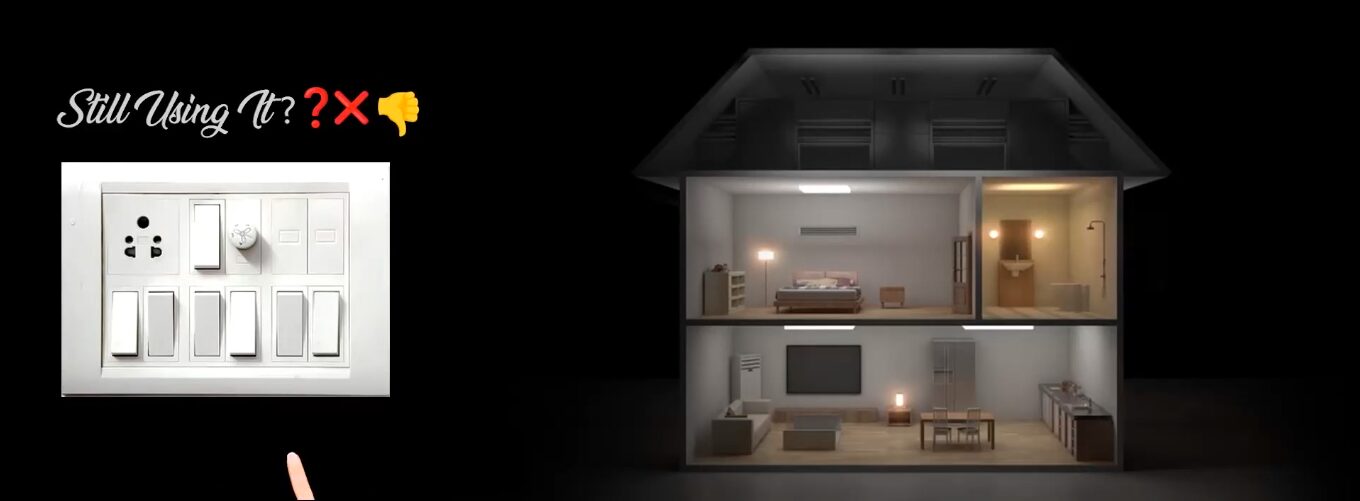
Home Automation is the use of smart technology to control and manage household systems such as lighting, appliances, curtains, security, and climate from one centralized device or system. It enables homeowners to automate daily routines, improve comfort, enhance safety, and save energy. With the rapid advancement of digital technology, Home Automation has become a key part of modern living, helping households become more efficient, secure, and intelligent.
Modern smart homes integrate multiple devices that communicate with each other seamlessly. Whether it’s adjusting the lights automatically, closing your motorized curtain at sunset, or improving privacy with smart glass, automation creates a connected environment that works around your lifestyle. Technologies like Smart Touch Switches, Switchable PDLC Film, and Motorized Curtains are playing a huge role in shaping this new era of smart living.
Key Takeaways
- Home Automation improves convenience, comfort, and energy efficiency.
- Smart devices like Smart Touch Switches, Motorized Curtains, and Switchable PDLC Film enhance modern living.
- Centralized control through mobile apps or voice assistants simplifies daily routines.
- Smart technology increases home security, safety, and property value.
- Scalable solutions make Home Automation accessible for every home size and budget.
How Does Home Automation Work? (Technical Explanation)
Home Automation systems work by connecting various smart devices through a centralized hub or controller. These devices communicate through wireless technologies such as Wi-Fi, Zigbee, Bluetooth, or Z-Wave. Users can control everything from lights and curtains to appliances and climate systems using smartphones, tablets, touch panels, or voice commands.
Here is a breakdown of how different automation components work together:
|
Component |
Function |
Example Use |
|
Smart Touch Switches |
Control lights and appliances via touch or app |
Turn lights on/off remotely |
|
Motorized Curtain |
Automated curtain movement |
Scheduled open/close based on time |
|
Switchable PDLC Film |
Smart glass that turns opaque or transparent |
Instant privacy control |
|
Smart Lighting System |
Adjust brightness and color |
Energy saving and mood lighting |
|
Central Controller |
Integrates and controls devices |
Unified smart home management |
The automation system relies on sensors, controllers, and smart devices working together to create intelligent responses. For example, a motion sensor can detect movement and automatically switch on lights, while a timer can close the motorized curtain at sunset.
Step-by-Step Guide to Building a Smart Home
Step 1: Identify Your Needs
Start by deciding which areas of your home you want to automate. Common choices include lighting, curtains, security systems, and entertainment systems.
Step 2: Choose Smart Devices
Pick reliable devices based on your needs. Examples include:
- Smart Touch Switches for lighting control
- Motorized Curtain systems for window automation
- Switchable PDLC Film for privacy control
- Smart sensors for security and energy efficiency
Step 3: Install a Central Hub or Controller
A smart home controller connects and manages all devices from a single platform. You can control everything using a mobile app or voice commands.
Step 4: Connect Devices to the Network
Most smart devices connect via Wi-Fi or Bluetooth. Once connected, you can automate routines such as turning off lights when no motion is detected.
Step 5: Customize Automation Rules
Set automation rules to make your life easier. For example:
- Schedule curtains to open at sunrise.
- Turn lights on when you enter a room.
- Automatically dim lights for movie time.
Step 6: Monitor and Upgrade
Track energy usage and system performance. Upgrade or add new devices as needed to expand your automation system.
Benefits of Home Automation
1. Convenience and Comfort
Automated systems simplify daily tasks. Control your lights, curtains, or appliances without leaving your seat.
2. Energy Efficiency
Smart lighting and climate control help reduce energy usage and lower electricity bills.
3. Enhanced Security
Integrated security systems, motion sensors, and smart cameras increase safety and monitoring capabilities.
4. Modern Aesthetic Appeal
Smart homes look more modern and sophisticated. Features like Switchable PDLC Film give your interiors a futuristic touch.
5. Property Value
Homes equipped with automation technology are more appealing to buyers and increase property value.
Popular Home Automation Technologies
Smart Touch Switches
These replace traditional switches and allow users to control lights and devices through touch panels or mobile apps. They offer a sleek look and smart control.
Switchable PDLC Film
This smart film switches from transparent to opaque with a single command, providing instant privacy for glass walls or partitions.
Motorized Curtain
Automated curtain systems provide effortless operation, improve privacy, and enhance energy efficiency by managing natural light.
Smart Homes Ecosystem
A complete smart home integrates lighting, curtains, security, and climate systems into one intelligent platform for total convenience.
Conclusion
Home Automation is transforming modern homes by making them smarter, safer, and more energy-efficient. With advanced solutions such as Smart Touch Switches, Switchable PDLC Film, Smart Homes technology, and Motorized Curtain systems, homeowners can enjoy enhanced comfort, convenience, and control. Whether you’re upgrading a single room or building a fully automated home, adopting smart technology offers long-term benefits and a more enjoyable lifestyle.
FAQ Section
1. What is Home Automation?
Home Automation refers to the use of smart technology to control and manage home systems like lighting, curtains, and security through a central platform or device.
2. How does Home Automation improve security?
It integrates smart locks, cameras, and sensors to monitor and protect your home, offering real-time alerts and remote control.
3. Are Smart Touch Switches easy to install?
Yes, most smart switches are designed to replace traditional switches and can be easily installed by a professional electrician.
4. What is Switchable PDLC Film used for?
Switchable PDLC Film provides instant privacy by switching between transparent and opaque modes, making it ideal for smart glass applications.
5. Can I control Motorized Curtains with my phone?
Yes, motorized curtains can be controlled via smartphone apps, remote controls, or voice assistants.
6. Is Home Automation expensive?
Costs vary depending on the level of automation, but scalable solutions allow homeowners to start small and expand over time.


 Tanushree Bhattacharya
 Kangaroo Copper Recycling