alexender jack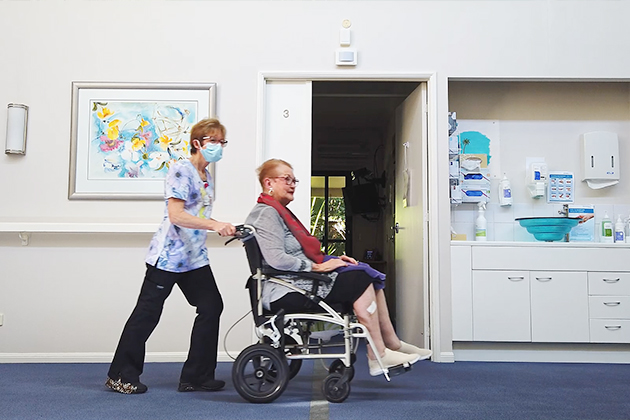
If you have ever nodded along in a hospital meeting while secretly thinking, “I have no idea what anyone just said,” you are not alone. Words like palliative, comfort-focused, and hospice fly around the room, and you are sitting there wondering what actually happens in a hospice care facility and whether you should be scared.
You might already know that something has changed with your loved one’s health. Treatments are harder. Hospital stays are longer. The doctor brings up palliative care as “extra support,” and in the next breath mentions hospice. Your mind jumps straight to worst-case scenarios. It is a lot to take in, especially when you are tired and emotional.
Take a breath. You do not have to be an expert today. You do, however, deserve clear, honest explanations. Let’s walk through hospice care vs palliative care in simple language, and see where a hospice care facility fits into the picture so you can make choices that line up with your loved one’s needs and your family’s values.
What Palliative Care Really Is
Think of palliative care as an extra layer of support that can be added at almost any stage of a serious illness. The goal is to improve the quality of life. That means managing symptoms like pain, nausea, shortness of breath, anxiety, and fatigue, while also helping you and your loved one navigate complex decisions. Palliative care teams often include doctors, nurses, social workers, and sometimes chaplains or counselors.
Here is the important part. Palliative care can be given while your loved one is still receiving treatments that aim to cure or control the disease. That might be chemotherapy, radiation, surgeries, or advanced heart treatments. You do not have to “give up” those options in order to receive palliative support. It is “both and,” not “either or.”
You can meet a palliative care team in many settings. Hospitals, clinics, and senior living communities may all have access to these services. The team focuses on relief, communication, and planning, so that you are not carrying every question alone.
What Hospice Care Really Means
Hospice is one kind of palliative care, but it is more specific. Hospice care usually begins when the medical team believes a person may have about six months or less to live if the illness follows its usual course. At that point, the focus shifts away from trying to cure the disease and toward comfort and dignity at the end of life.
In hospice, treatments that only prolong life without improving comfort are usually stopped. Pain control, symptom management, emotional support, and spiritual care move to the center of the plan. The idea is not to speed anything up or slow anything down. The idea is to help your loved one live as fully and peacefully as possible in the time that remains.
Hospice care can happen at home, in a nursing home, in a senior community that partners with hospice teams, or in a dedicated hospice care facility that is designed for this tender season. Wherever it takes place, the heart of hospice is the same. Less focus on machines and aggressive procedures. More focus on presence, comfort, and connection.
Key Differences You Really Need To Know
When you line hospice and palliative care up side by side, three big differences stand out.
The first is timing. Palliative care can begin anytime after a serious diagnosis, even if your loved one has many years ahead. Hospice care usually begins nearer the end of life, when curative treatments are no longer helping or are causing more burden than benefit.
The second is treatment goals. With palliative care, you can still pursue treatments that aim to slow or cure the disease. With hospice, the focus shifts to comfort only. The care team works to relieve suffering, not to fight the illness with aggressive measures.
The third difference is how care is structured. Palliative care might involve occasional visits from a specialist team. Hospice care is typically a full program that brings regular visits, on-call support, and a coordinated team of nurses, aides, social workers, and chaplains. In a hospice care facility, that entire team is built into the setting.
Where a Hospice Care Facility Fits In
A hospice care facility is a place specifically designed for people who are receiving hospice services. Think private or semi-private rooms, quiet common areas, and staff who are trained to support both medical needs and emotional needs at the end of life. The environment is usually calmer than a hospital, with fewer alarms and fewer rushed footsteps in the hallway.
There are some practical reasons you might choose a hospice care facility. Maybe your loved one’s symptoms are complex and hard to manage at home. Maybe your own health or home setup makes it unsafe to handle round-the-clock care. Maybe everyone in the family is exhausted, and the idea of having a professional team present 24 hours a day feels like a mercy.
Trusted communities like SilverMaple Assisted Living often partner with hospice providers so that residents can receive hospice-level support right where they are, instead of moving again. Other times, families decide that a dedicated hospice care facility is the right place for their loved one’s final chapter. There is no single “right” answer. There is only what fits your person and your situation.
How To Talk With Doctors And Family About It
Once you understand the difference between palliative care and hospice, and you have a picture of what a hospice care facility offers, the next step is to talk. That starts with your loved one, if they are able, and with their medical team.
You might ask questions like, “Would palliative care help with these symptoms now,” or, “Are we at the point where hospice makes more sense than more hospital stays.” You can also ask, “If we chose hospice, could it be provided at home, in our current senior community, or would a hospice care facility be better.” These are not selfish questions. They are wise ones.
Within your family, honesty matters. You do not have to pretend that everything feels fine. You also do not have to rush to decisions in one meeting. You can gather information, pray if that is part of your life, and revisit the conversation as things change. Trusted communities like SilverMaple Assisted Living often offer family meetings where staff and hospice partners explain options together, which can take some pressure off you.
Choosing Care That Matches Your Love
At the end of the day, hospice care vs palliative care is not an abstract debate. It is about how you want your loved one to be cared for when life is fragile. Palliative care says, “You do not have to suffer while we treat your illness.” Hospice says, “You do not have to suffer as we honor the time that is left.” A hospice care facility is simply one of the places where this kind of care can happen.
You do not have to know every medical term to be a good advocate. You only need to keep asking, “Will this plan bring more comfort, more dignity, and more peace.” When you keep that question at the center, the path between palliative support, hospice care, and a hospice care facility becomes a little less confusing and a lot more compassionate.

 merlin may
 Austin Claire64