Leo Hanry
A plastic and cosmetic surgeon plays a crucial role in helping individuals enhance their appearance, improve confidence, and achieve natural-looking results. Whether it is facial rejuvenation, body contouring, or reconstructive procedures, these professionals combine medical expertise with artistic precision to provide safe and effective outcomes. Understanding how these procedures work, how to prepare, and what to expect can help patients make informed decisions about their cosmetic journey.
For many people, concerns about appearance, such as aging signs, body shape, or facial asymmetry, can impact self-esteem. A plastic and cosmetic surgeon provides solutions tailored to individual needs, helping patients feel comfortable in their skin. While cosmetic enhancements can be life-changing, safety and proper planning are essential for optimal results.
Understanding the Role of a Plastic and Cosmetic Surgeon
A plastic and cosmetic surgeon specializes in procedures that restore, reshape, or improve physical appearance. These professionals are trained in both reconstructive and aesthetic techniques to ensure functional and visually appealing results.
Reconstructive vs. Cosmetic Procedures
Reconstructive procedures focus on repairing defects caused by injury, congenital issues, or disease. Examples include correcting cleft lips, reconstructing breast tissue after surgery, or repairing facial injuries. Cosmetic procedures, on the other hand, are designed to enhance appearance, such as rhinoplasty, facelifts, liposuction, or breast augmentation.
Understanding this distinction helps patients recognize that a plastic and cosmetic surgeon addresses both medical and aesthetic needs. Combining artistry with medical precision ensures results that are natural and proportional.
Personalized Consultation
Before any procedure, patients undergo a thorough consultation. During this session, the surgeon evaluates medical history, discusses goals, and explains available procedures. Personalized consultations are essential to ensure the chosen procedure aligns with the patient’s expectations and overall health.
The consultation also allows the surgeon to explain the risks, recovery process, and expected outcomes. Patients can ask questions, express concerns, and gain clarity about the procedure, building trust and confidence in the surgeon’s expertise.
Preparing for Cosmetic Surgery
Proper preparation before surgery is vital for safety and effective results. Patients should understand both physical and mental readiness.
Health Assessment
A complete health assessment is conducted to identify any conditions that may affect surgery. Blood tests, medical history, and physical exams are standard practices. Patients should disclose medications, allergies, and previous surgeries to ensure a safe procedure.
Lifestyle Adjustments
Leading up to surgery, patients may need to adjust lifestyle habits. This includes quitting smoking, avoiding certain medications, and maintaining a healthy diet. These changes help the body heal efficiently and reduce the risk of complications.
Setting Realistic Expectations
One of the most important steps is setting realistic expectations. A plastic and cosmetic surgeon works to create outcomes that enhance natural beauty, not create unrealistic transformations. Understanding what is achievable helps patients feel satisfied with the results.
Common Procedures Offered by a Plastic and Cosmetic Surgeon
A plastic and cosmetic surgeon offers a variety of procedures for both facial and body enhancement.
Facial Procedures
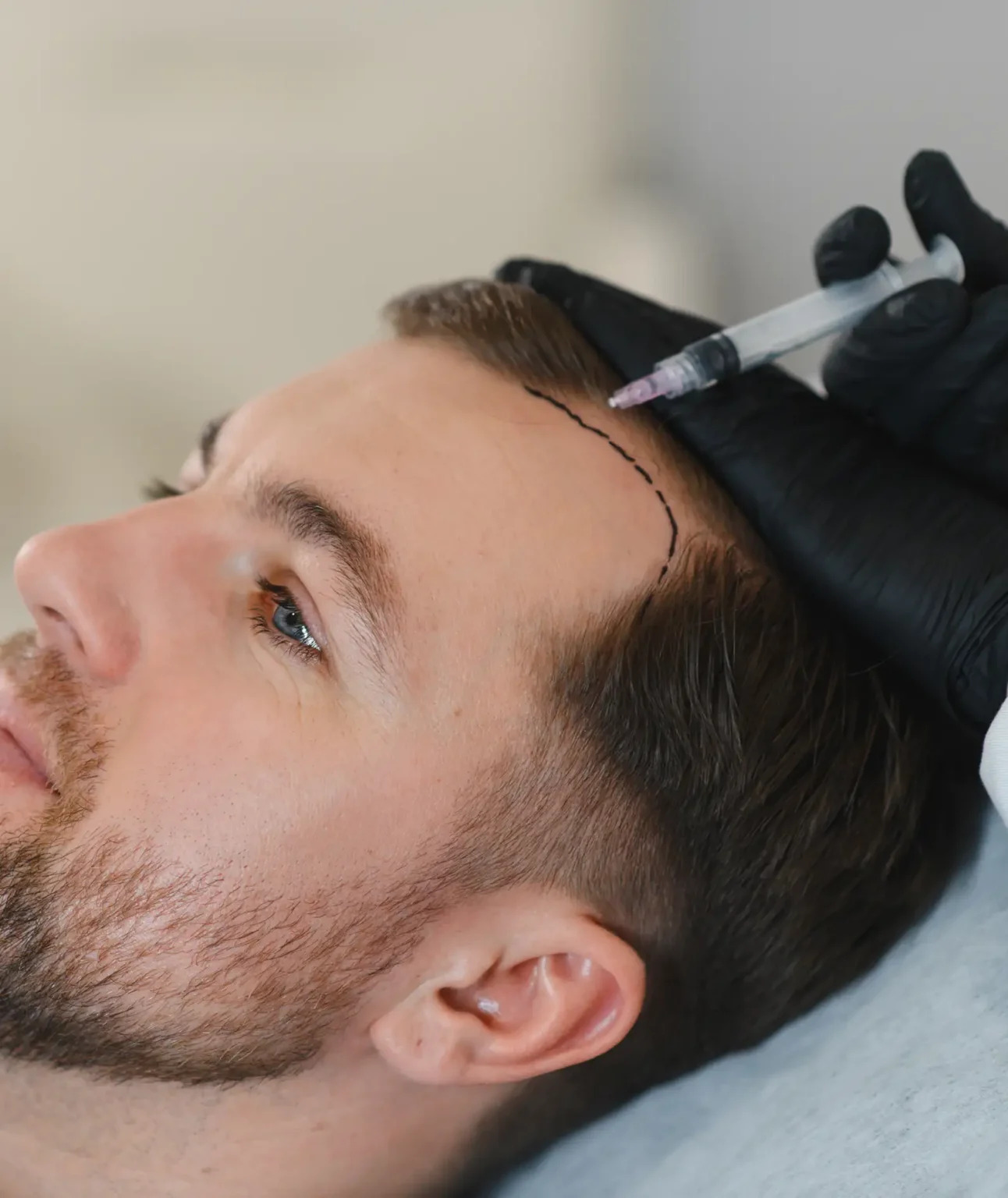
Facial procedures may include facelifts, rhinoplasty, eyelid surgery, and Botox or filler treatments. These procedures aim to restore youthfulness, balance facial features, and improve symmetry.
Facial rejuvenation is often sought to address signs of aging such as wrinkles, sagging skin, or loss of volume. A surgeon carefully plans these treatments to achieve subtle and natural enhancements rather than drastic changes.
Body Contouring
Body procedures include liposuction, tummy tucks, breast augmentation, or reduction. These treatments help reshape areas with stubborn fat or improve body proportions.
Liposuction removes fat deposits that are resistant to diet and exercise, while tummy tucks tighten abdominal muscles and remove excess skin. Breast procedures enhance size, shape, or symmetry to create a balanced and proportional figure.
Reconstructive Procedures
Reconstructive surgery is performed to restore function and appearance after accidents, disease, or congenital defects. These surgeries require advanced skills to ensure both medical functionality and aesthetic appeal.
Safety Measures and Risk Management
Safety is a top priority for any plastic and cosmetic surgeon. Surgeons follow strict protocols to minimize risks and ensure patient well-being.
Qualified Professionals
Choosing a certified and experienced surgeon reduces the likelihood of complications. Qualified surgeons are trained to handle emergencies and provide high standards of care throughout the process.
Clinic Standards
High-quality clinics maintain strict hygiene, use modern equipment, and ensure comfortable recovery settings. Proper facility standards are crucial for patient safety and satisfaction.
Managing Risks
While complications are rare, patients should be aware of potential risks such as infection, scarring, or uneven results. Following pre- and post-operative instructions reduces these risks significantly.
Recovery and Aftercare
Recovery varies depending on the procedure, but following post-operative care instructions is critical. Patients may experience swelling, bruising, or mild discomfort, which is normal and temporary. Wearing recommended garments, taking prescribed medications, and attending follow-up appointments support healing and optimize results.
Maintaining a healthy lifestyle after surgery helps preserve the outcomes. Regular exercise, balanced nutrition, and proper skincare contribute to long-lasting satisfaction with cosmetic enhancements.
Psychological and Lifestyle Benefits
The benefits of consulting a plastic and cosmetic surgeon go beyond physical appearance. Many patients experience improved confidence, self-esteem, and quality of life. Feeling good about appearance can positively affect personal, social, and professional interactions.
Patients often report increased motivation to maintain a healthy lifestyle after cosmetic procedures. Achieving desired results encourages long-term commitment to fitness and wellness.
Final Thoughts
A plastic and cosmetic surgeon provides safe and effective solutions for those looking to enhance their appearance or correct physical concerns. From facial rejuvenation to body contouring and reconstructive procedures, these professionals combine medical expertise with artistic precision.

 Beaute Concept
 Christina Wood