Sahu
Sahu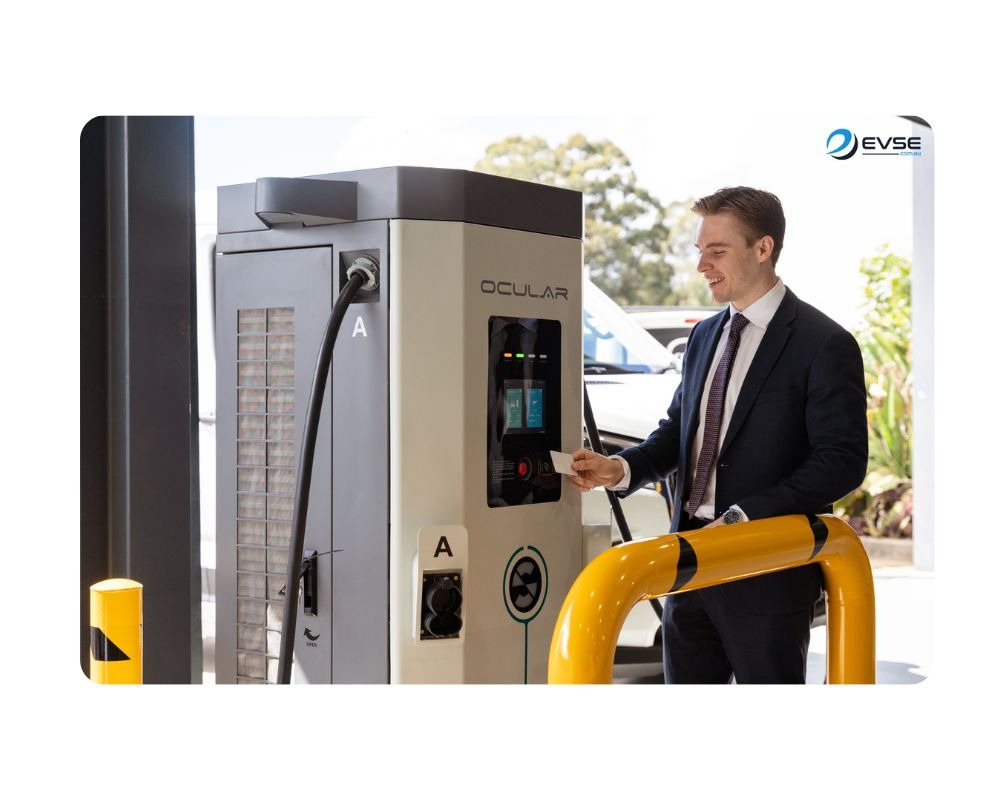
If you drive an electric vehicle, you’ll quickly notice that not all charging experiences are the same. Plugging in at home overnight is convenient but takes hours, while a stop at a public fast charger can get you back on the road in the time it takes to have a coffee. The difference lies in how electricity reaches your car’s battery and that’s where DC fast charging stands apart.
Understanding AC and DC Power
Every electric vehicle runs on direct current (DC) power, but most homes and buildings provide alternating current (AC). When you charge at home, the AC power coming from your wall outlet needs to be converted into DC before it can be stored in your car’s battery. This conversion is done by your car’s onboard charger, which has a limited capacity.
Because of this, home chargers whether a standard Level 1 plug or a more powerful Level 2 wall unit charge at a slower pace. They rely on your vehicle’s internal converter, and that naturally limits how much power can be processed at once.
DC fast charging works differently. Instead of letting your car handle the conversion, the charger itself converts AC power from the grid into DC before sending it directly to your battery. This process skips the bottleneck of the onboard charger and dramatically increases the charging speed.
What Happens During a DC Fast Charge
When you plug into a DC fast charger, your vehicle and the charger immediately communicate to determine the correct voltage, current, and safety parameters. The charger’s built-in power electronics then handle the AC-to-DC conversion and deliver the power straight into your car’s battery pack.
Throughout the session, both systems monitor temperature, voltage, and power flow to ensure everything operates safely. Since the energy is delivered directly and efficiently, DC fast charging can add hundreds of kilometres of range in under half an hour depending on the charger’s power output and your vehicle’s battery capacity.
This direct current connection is what allows DC fast chargers to operate at such high speeds. While a home charger might deliver 7.4 kilowatts, a DC unit can output anywhere between 50 and 350 kilowatts, providing a massive boost in charging performance.
Why DC Fast Chargers Aren’t for Home Use
Many EV owners wonder why they can’t simply install a DC fast charger at home. The main reason is that these chargers require an enormous amount of power far more than a typical household electrical supply can handle. They need a three-phase commercial power connection, along with heavy-duty wiring, cooling systems, and specialised equipment.
Because of this, DC fast chargers are primarily installed in public charging stations, commercial facilities, and fleet depots. For most households, a Level 2 AC charger is the ideal balance of speed, affordability, and practicality. It easily recharges an EV overnight, ready for the next day’s drive.
Charging Speed and Battery Health
There’s a common belief that DC fast charging can damage EV batteries over time. In reality, modern vehicles are equipped with advanced battery management systems that carefully regulate temperature and charging rates. While fast charging generates more heat, it’s generally safe when used occasionally.
For daily charging, using a home unit remains the most efficient and battery-friendly option. DC fast chargers are best reserved for road trips, long-distance travel, or times when you need a quick top-up.
Powering New Zealand’s EV Future
DC fast charging plays a vital role in supporting the growth of electric vehicles across New Zealand. It gives drivers the confidence to travel further and helps connect regions with reliable, high-speed charging options. As more stations are installed along highways and in towns, fast charging is making EV ownership more practical and accessible for everyone.
Final Thoughts
DC fast charging is a cornerstone of modern EV infrastructure. It bypasses the limits of home charging by sending high-powered direct current straight into the battery, reducing charging time from hours to minutes.
At EVSE NZ, we’re committed to building a cleaner and more connected transport future. We provide safe, reliable charging solutions for homes, workplaces, and public networks across New Zealand including advanced DC fast charging systems. Whether you’re charging overnight at home or on the go, EVSE NZ is here to keep you moving efficiently and confidently.


 nikita pawar
 Cold Smith Enterprises