David John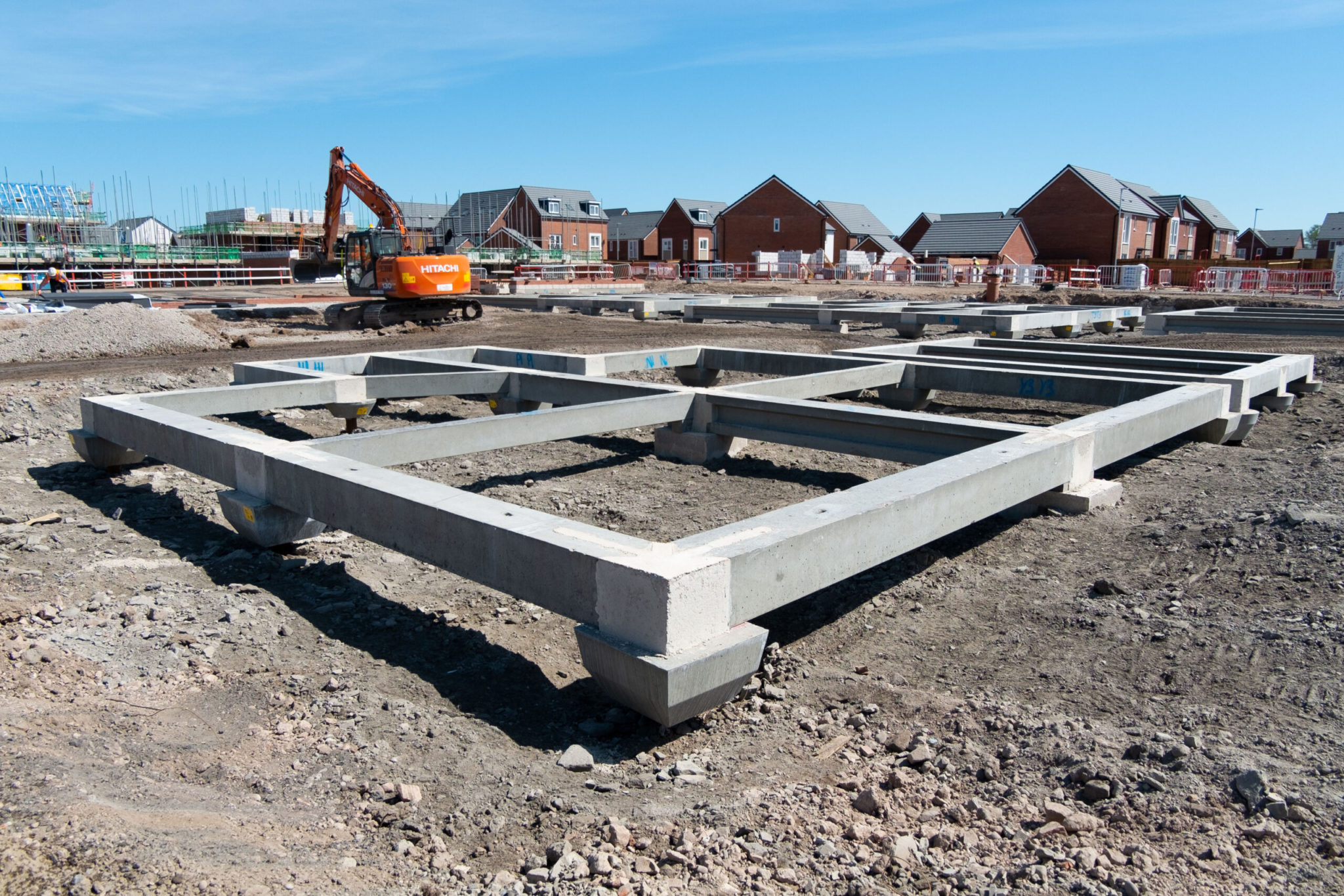
Pre Cast Ground Beams:
Speed has become one of the most valuable assets in today’s construction environment. Whether it is a housing development, a commercial facility or an industrial unit, clients expect projects to move quickly without compromising quality or safety. One of the most effective ways principal groundwork contractors accelerate timelines is by using precast ground beams. These engineered components offer precision, predictability, and efficiency that traditional in-situ concrete simply cannot match.
This article explains how principal groundwork contractors use precast ground beams to improve project speed, why they are preferred, and what benefits they bring to modern construction workflows.
Understanding the Role of Precast Ground Beams
Ground beams form an essential structural element that distributes loads from the building into the foundation system. Traditionally, these beams were cast on-site, which required time for formwork, pouring, curing and quality inspection. Precast ground beams, however, are manufactured off-site in specialised facilities under controlled conditions. Once ready, they are transported to the site and placed directly into the prepared foundation trenches.
This shift from on-site to off-site manufacturing significantly reduces time and complexity, enabling principal groundwork contractors to streamline critical early phases of construction.
Faster Project Start-Up Through Better Planning
Principal groundwork contractors excel in planning, and precast beams support that strength. Because the beams are manufactured in advance, contractors can schedule deliveries to align perfectly with the foundation preparation. This reduces downtime and eliminates the delays caused by unpredictable weather conditions.
Precast production can begin even before the site is fully ready, meaning structural components are already waiting when excavation finishes. This ability to overlap tasks, rather than performing each stage sequentially, dramatically accelerates the start of construction.
Reduced On-Site Labour Requirements
When using traditional cast in-situ beams, large labour teams are needed for building shuttering, placing reinforcement, pouring concrete and managing curing times. Principal groundwork contractors using precast ground beams need significantly fewer operatives on-site. Cranes or lifting equipment simply position the beams, and the team secures them in place.
With fewer trades required on the ground at once, coordination becomes smoother and site congestion is reduced. This not only speeds up operations but also enhances safety—another factor that keeps projects moving without interruption.
Eliminating Curing Delays
One of the biggest time savings comes from removing concrete curing from the critical path. Cast in-situ beams can require several days before they are strong enough for the next stage of work. During this period, no additional loading or construction activities can be carried out in that area.
Precast ground beams arrive at full strength because they have already undergone curing in a controlled environment. This means follow-on trades, such as bricklayers and structural installers, can start almost immediately. Eliminating this downtime can shave weeks off a large-scale project.
Enhanced Precision and Quality Control
Principal groundwork contractors rely on accuracy, and precast ground beams deliver exceptional consistency. Manufactured in specialist facilities with strict quality controls, the beams have precise dimensions and reinforcement layouts. This reduces the likelihood of on-site adjustments or rectification work, both of which can delay projects.
Because of their accuracy, precast beams also improve the speed at which structures can be aligned and levelled. Less time is wasted correcting errors, and projects proceed with predictable efficiency.
Streamlined Logistics and Material Handling
Precast beams reduce the volume of materials arriving separately on-site. There is no need to store bags of cement, rebar bundles, timber for shuttering or large quantities of aggregated material. Instead, beams arrive ready for installation.
This simplified logistics model increases site speed by reducing traffic movements and limiting material handling operations. Contractors can maintain a clean, organised site layout, which helps teams work more efficiently and safely.
Improved Sustainability Combined with Efficiency
Faster projects are naturally more sustainable because they require fewer site resources and produce less waste. Precast beams also generate minimal on-site waste because they arrive at exact specifications with no offcuts or surplus materials. Reduced labour hours, fewer vehicle movements, and shorter site occupancy all contribute to a lower carbon footprint.
Principal groundwork contractors increasingly adopt precast systems not just for speed but for meeting modern environmental expectations.
Conclusion: A Smarter Path to Faster Construction:
Precast ground beams have transformed the way principal groundwork contractors deliver projects. By removing weather dependency, eliminating curing delays, reducing labour requirements, and improving accuracy, they allow teams to advance from groundwork to superstructure far more quickly. The result is a construction process that is cleaner, safer, more predictable, and significantly faster.
As time becomes an even more valuable resource in the industry, the strategic use of precast ground beams will continue to define efficient, modern groundwork practice.


 Nilesh Prasad
 Ayush DIcholkar