Mathew Smith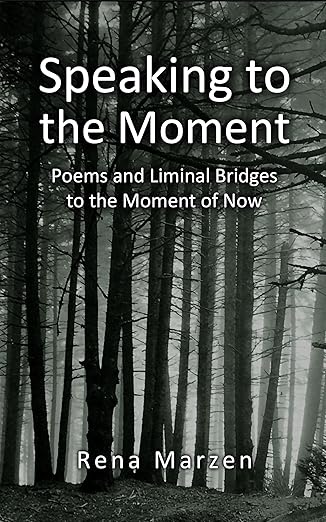
In today’s fast-paced world, many people struggle to understand their emotions and reflect on their personal experiences. Stress, responsibilities, and constant digital distractions often leave little time for self-awareness. One simple yet powerful way to reconnect with your thoughts and feelings is through reading poetry for self-reflection.
Poetry has long been used as a creative form of expression that captures deep emotions, personal struggles, and life experiences. Unlike other forms of writing, poetry uses carefully chosen words, imagery, and rhythm to express complex feelings in a meaningful way. Because of this, reading poetry can help individuals slow down, think deeply, and better understand their own emotions.
Books such as Speaking in the Moment: Poems of Liminal Bridges explore themes of identity, transformation, and emotional transitions, making them perfect examples of how poetry encourages reflection and emotional awareness.
The Connection Between Poetry and Self-Reflection
Self-reflection is the process of thinking about your thoughts, feelings, and experiences in order to better understand yourself. Many people practice self-reflection through journaling, meditation, or quiet contemplation. However, reading poetry for self-reflection can also be an effective method because poetry often mirrors the emotional experiences of life.
When readers encounter a poem that expresses feelings similar to their own, it creates a sense of connection. The poem becomes a mirror that reflects personal emotions and experiences. This reflection helps readers pause and think about their own lives, relationships, and personal growth.
Poetry also encourages readers to interpret meaning in their own way. Unlike straightforward writing, poems often leave room for interpretation. This openness invites readers to explore their thoughts and emotions more deeply.
How Poetry Encourages Emotional Awareness
Emotional awareness is the ability to recognize, understand, and manage your feelings. Many people find it difficult to identify their emotions clearly, especially during stressful or confusing situations. Poetry can help improve this awareness by giving language to feelings that may otherwise be hard to describe.
Through imagery, metaphors, and symbolism, poetry captures emotional experiences in a unique way. When people read poems about love, loss, change, or hope, they begin to recognize similar emotions in their own lives. This process strengthens reading poetry for self-reflection and improves emotional intelligence.
For example, a poem about loneliness might help a reader realize that their feelings of isolation are valid and shared by others. Similarly, a poem about personal growth might inspire someone to think about their own journey of change and development.
Poetry Helps People Slow Down and Think
One of the biggest benefits of reading poetry is that it encourages readers to slow down. Unlike novels or articles that are often read quickly, poetry requires careful attention. Readers often pause after each line or stanza to understand its meaning.
This slower reading process naturally promotes reflection. When people take time to think about a poem’s message, they also begin thinking about their own emotions and experiences. Over time, this practice strengthens reading poetry for self-reflection and helps individuals become more mindful of their thoughts.
In a world filled with constant distractions, poetry offers a quiet moment for introspection and emotional clarity.
Poetry Builds Empathy and Emotional Connection
Another powerful benefit of poetry is its ability to create empathy. When readers experience the emotions expressed in a poem, they begin to understand perspectives different from their own.
Poets often write about universal human experiences such as heartbreak, joy, uncertainty, and personal transformation. Reading these experiences can help readers relate not only to the poet but also to other people who share similar feelings.
This emotional connection improves emotional awareness because it encourages people to recognize and respect different emotions—both in themselves and in others.
Poetry as a Tool for Personal Growth
Reading poetry regularly can lead to meaningful personal growth. When individuals engage with thoughtful and emotional poems, they develop a deeper understanding of their inner world. This awareness can help them make better decisions, improve relationships, and manage stress more effectively.
Many readers find that reading poetry for self-reflection inspires them to write their own poems or journal entries. Writing about emotions can be therapeutic and can further strengthen emotional awareness.
Over time, poetry becomes more than just literature—it becomes a tool for self-discovery and emotional healing.
Why Poetry Matters in Modern Life
Despite living in a digital age dominated by fast content and short attention spans, poetry remains relevant. In fact, many people are rediscovering poetry as a way to reconnect with themselves.
Modern poetry often focuses on themes such as identity, mindfulness, personal change, and emotional healing. These themes resonate strongly with readers who are searching for deeper meaning and understanding in their lives.
Through thoughtful language and emotional honesty, poetry continues to remind us that reflection and awareness are essential parts of the human experience.
Conclusion
In conclusion, reading poetry for self-reflection is a powerful practice that can improve emotional awareness and personal understanding. Poetry encourages readers to slow down, think deeply, and connect with their inner emotions.
By exploring themes of love, change, uncertainty, and growth, poetry provides valuable insights into the human experience. It allows readers to see their own emotions reflected in words and helps them understand their feelings more clearly.
In a world that often moves too quickly, poetry offers a moment of pause—a space where self-reflection, emotional awareness, and personal growth can truly begin.


 Cris Jordan
 Jhon Kary