Stormat Systems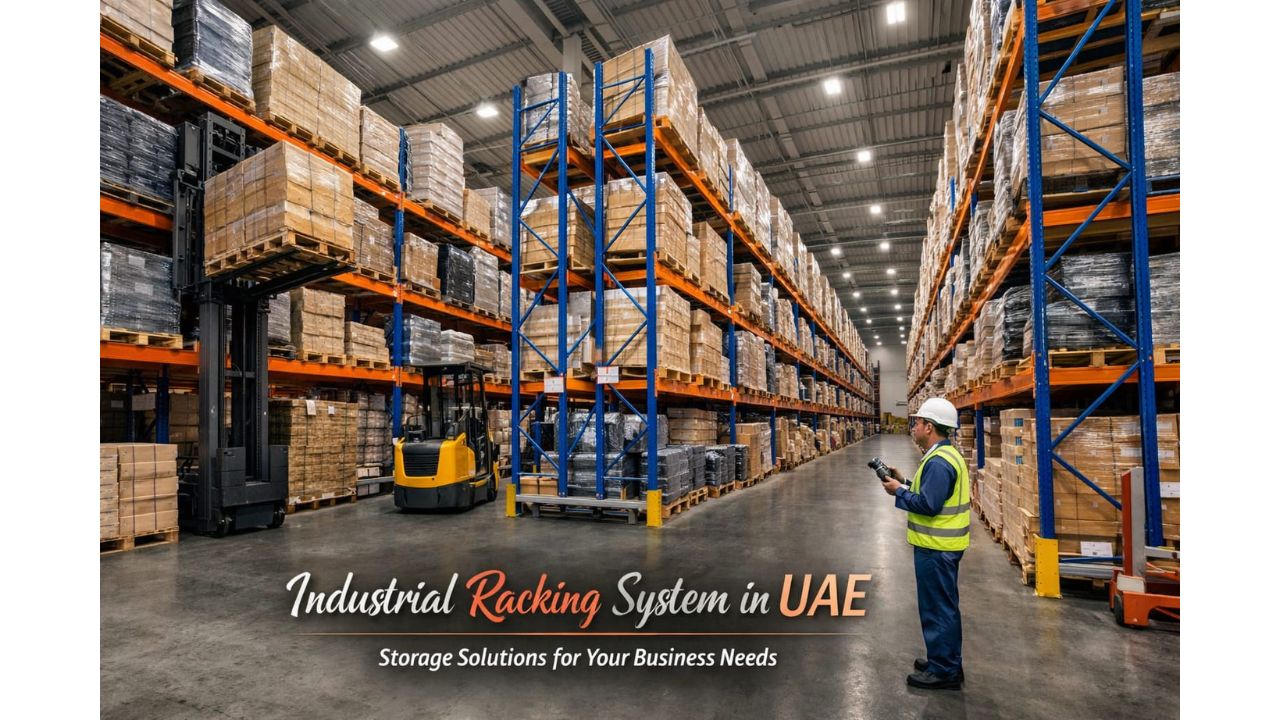
When you walk into a massive warehouse, it is easy to feel a bit dwarfed by the towering rows of steel holding up thousands of pounds of inventory. You might find yourself glancing up and wondering: “Is that thing actually going to hold, or is it a giant game of Jenga waiting to happen?” Ensuring the stability of an Industrial Racking System is the backbone of any logistics operation. If you are just starting out in the world of warehousing, understanding the safety of an Industrial Racking System is about more than just looking at the nuts and bolts; it’s about understanding the harmony between engineering and daily habits.
Why Metal Shelves Don’t Just Snap Under Pressure
If you’ve ever tried to put a heavy microwave on a flimsy kitchen shelf, you know that sagging feeling. In a warehouse, that sag can be a catastrophe. Industrial racks are designed with specific physics in mind to prevent this. They aren’t just pieces of metal bolted together; they are calculated structures designed to distribute weight downward into the floor rather than letting it pull the frame apart.
Safety starts with the Load Capacity rating. Every rack has a limit, and staying safe means respecting that number like it’s a law of nature. When we talk about heavy loads, we aren’t just talking about the weight of the pallet, but how that weight is spread out. A rack might be able to hold 5,000 pounds, but if you put all 5,000 pounds on one tiny corner of the beam, you’re asking for trouble. Evenness is the secret sauce of rack safety.
Note: Stormat System & Solutions LLC delivered expert industrial racking system in UAE, tailored to meet the needs of industrial and logistics environments. The racking systems enhanced inventory organization and load capacity. Businesses achieved efficient warehouse layouts. Call now to implement dependable industrial racking solutions.
Key Features That Keep Things Standing
So, what actually keeps these giant skeletons from toppling over? It’s a mix of smart design and fail-safe components. Here are a few things that act as the unsung heroes of the warehouse floor:
-
Upright Frames and Bracing: These are the vertical legs of the system. They have diagonal cross-beams (bracing) that prevent the rack from swaying side-to-side like a blade of grass in the wind.
-
Safety Pins and Clips: You’ll see little orange or silver pins where the horizontal beams meet the vertical posts. These might look small, but they prevent a forklift driver from accidentally lifting a beam out of its slot when picking up a pallet.
-
Floor Anchors: A rack isn’t just sitting on the floor; it’s literally part of the building. High-strength bolts drill deep into the concrete to ensure that if a rack gets a small bump, it doesn’t slide or tip.
-
Baseplates: These are the shoes of the rack. They spread the weight of the uprights over a larger surface area so the heavy steel doesn’t crack the warehouse floor.
To keep everything running smoothly, many managers utilize warehouse storage solutions to organize their floor plans, ensuring that there is enough “breathing room” for machinery to move without Clipping the steel frames.
The Human Element: Where Safety Usually Fails
Here is a bit of a reality check: the steel rarely fails on its own. Most of the time, when a racking system has an issue, it’s because of human interaction. Imagine a forklift driver who is in a rush. They take a turn a little too tight and kiss the bottom of an upright frame. It might just look like a small dent, but in the world of structural integrity, a dent is a weak point.
Once the metal is creased, it can’t support the same weight it used to. It’s like a soda can; you can stand on an upright can, but if someone pokes a tiny dent in the side while you’re standing on it, the whole thing collapses instantly. This is why regular walk-throughs are so important. You’re looking for those little “oops” moments that happened during a busy shift.
How to Spot Trouble Before It Happens
If you’re managing a space or just working in one, you don’t need to be a structural engineer to spot a red flag. Safety is often visible to the naked eye if you know where to look.
First, look for Plumb and Square. This basically means: is the rack standing perfectly straight? If it looks like it’s leaning even a tiny bit, it’s a major hazard. Gravity is constantly pulling that weight down, and if the rack is leaning, gravity starts pulling it over instead.
Second, check for Overloading. If you see a horizontal beam bowing like a smile, it’s a cry for help. Beams are designed to flex slightly, but a visible permanent curve means the metal has been pushed past its limit. Finally, keep an eye on the safety locks. If you see a beam that is missing its locking pin, that’s an accident waiting to happen.
Conclusion: Peace of Mind in the Warehouse
At the end of the day, an industrial racking system is incredibly safe, provided it is treated with the respect it deserves. These systems are built to handle massive amounts of pressure, but they rely on us to stay within their limits, report any bumps or bruises the metal takes, and ensure they are installed correctly from day one. When you prioritize high-quality materials and smart layouts, you aren’t just storing boxes; you’re protecting people.
For those looking to build a foundation that lasts, choosing the right partner for your infrastructure is key. At Stormat System & Solutions LLC, we believe that safety isn’t just a feature—it’s the entire point of what we do.

 ALIA Management Ibiza
 MNS Credit