Archdraw Outsourcing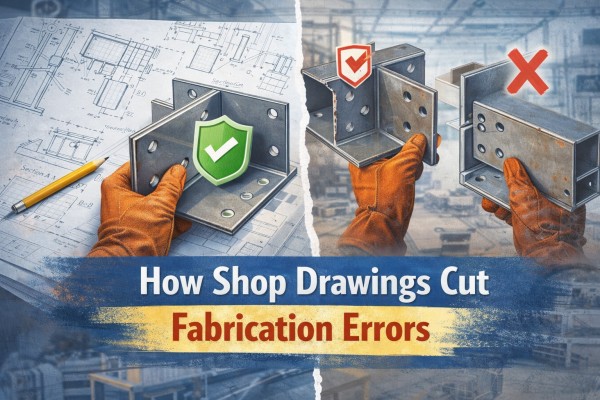
Construction projects rely on extreme precision to succeed. Even a tiny miscalculation during the planning phase can cause massive delays once building begins. Before any steel is cut or concrete is poured, construction teams need a flawless blueprint. This is where structural shop drawings step in to save the day.
These detailed diagrams act as a crucial bridge between the initial architectural design and the actual fabrication process. They translate broad design concepts into exact, step-by-step manufacturing instructions. By providing a clear roadmap for fabricators, these documents prevent costly misunderstandings.
Reading this guide will help you understand the true value of these technical documents. We will explore how utilizing professional structural shop drawings services minimizes mistakes, protects your budget, and keeps your entire construction timeline on track.
Understanding Structural Shop Drawings
Architectural blueprints show you what a finished building should look like. Shop drawings, on the other hand, show you exactly how to build it. They are highly detailed technical diagrams created specifically for the fabrication shop.
These drawings contain a wealth of specific data points. A standard shop drawing includes exact dimensions, material specifications, welding details, and assembly instructions. Fabricators rely on this granular information to manufacture steel beams, trusses, and concrete panels. Without these detailed instructions, factory workers would be forced to guess the design intent, leading to inevitable construction flaws.
Top Ways Drawings Reduce Errors
Creating precise technical drawings is the best defense against manufacturing mistakes. Let’s look at the specific ways these documents protect the integrity of a project.
Guaranteeing Material Accuracy
A well-prepared drawing lists the exact type and grade of material required for every single component. This eliminates the risk of a fabricator ordering the wrong steel grade or incorrect fastener. Having precise material lists ensures the final structure can safely support the intended load.
Verifying Dimensions
Exact measurements are non-negotiable in construction. Shop drawings break down the precise length, width, and thickness of every piece. When fabricators follow these exact measurements, the resulting components fit together perfectly on the construction site. This completely eliminates the need for dangerous on-site modifications.
Detecting Clashes Early
Modern buildings are packed with overlapping systems. Structural beams must share space with HVAC ducts, plumbing pipes, and electrical conduits. Shop drawings help identify spatial conflicts before the fabrication process begins. Resolving a clash on a computer screen takes minutes. Trying to fix that same clash on a busy construction site takes days.
The Real Cost Implications of Early Detection
Mistakes found on the shop floor or the construction site are incredibly expensive. If a steel beam is fabricated to the wrong length, the team must discard the material and start over. This wastes valuable raw materials and requires paying workers for duplicate labor.
Catching an issue during the drawing phase costs a fraction of the price of fixing a physical mistake. Early error detection prevents expensive rework. It also ensures the fabrication shop maintains a steady, predictable output. When components arrive at the construction site correctly sized and ready to install, the entire project stays under budget.
Streamlining the Fabrication Workflow
Effective construction requires seamless teamwork. Clear drawings create a much better communication loop between engineers, architects, and fabricators. Instead of relying on vague descriptions, everyone works from the same detailed playbook.
This shared understanding significantly reduces the number of Requests for Information (RFIs). When fabricators have all the assembly details upfront, they do not need to constantly pause their work to ask the design team questions. The workflow remains smooth, and production deadlines are easily met.
Technological Integration
The drafting industry has moved far beyond simple pencil and paper. Modern software makes technical diagrams more precise than ever before. Building Information Modeling (BIM) allows drafters to construct a virtual model of the building before making physical parts.
Using 3D modeling software gives fabricators a comprehensive view of complex structural connections. Partnering with forward-thinking firms like Archdraw Outsourcing ensures you have access to this cutting-edge detailing technology. These advanced digital tools automatically flag inconsistencies, ensuring human error is virtually eliminated from the final drawing.
Choosing the Right Partner for Your Next Project
Investing in high-quality drafting is the smartest way to protect your construction project. The upfront cost of hiring expert drafters pays for itself by preventing material waste and schedule delays.
When looking for a drafting partner, prioritize experience and technological capability. Review their past projects to ensure they have successfully handled structures similar to yours. A reliable drafting team will use the latest 3D modeling software and maintain open lines of communication with your engineers. By selecting the right professionals, you guarantee the structural integrity of your building from the very first cut of steel.


 Realtor Pro
 Nanda Kailash