Reeta Mercy
Selecting the right low-voltage electrical supplies is a critical aspect of any electrical installation or maintenance project. Whether you are a professional electrician, a contractor, or a homeowner undertaking a DIY project, choosing the wrong components can lead to serious safety hazards, operational inefficiencies, or costly repairs. Low-voltage systems, typically operating at 50 volts AC or 120 volts DC, are widely used in applications such as lighting, security, telecommunications, and residential automation. Despite their widespread use, many mistakes occur during the selection process due to a lack of technical knowledge or oversight. Understanding these common errors and learning how to avoid them ensures a safe, reliable, and cost-effective installation.
Understanding Low Voltage Electrical Supplies
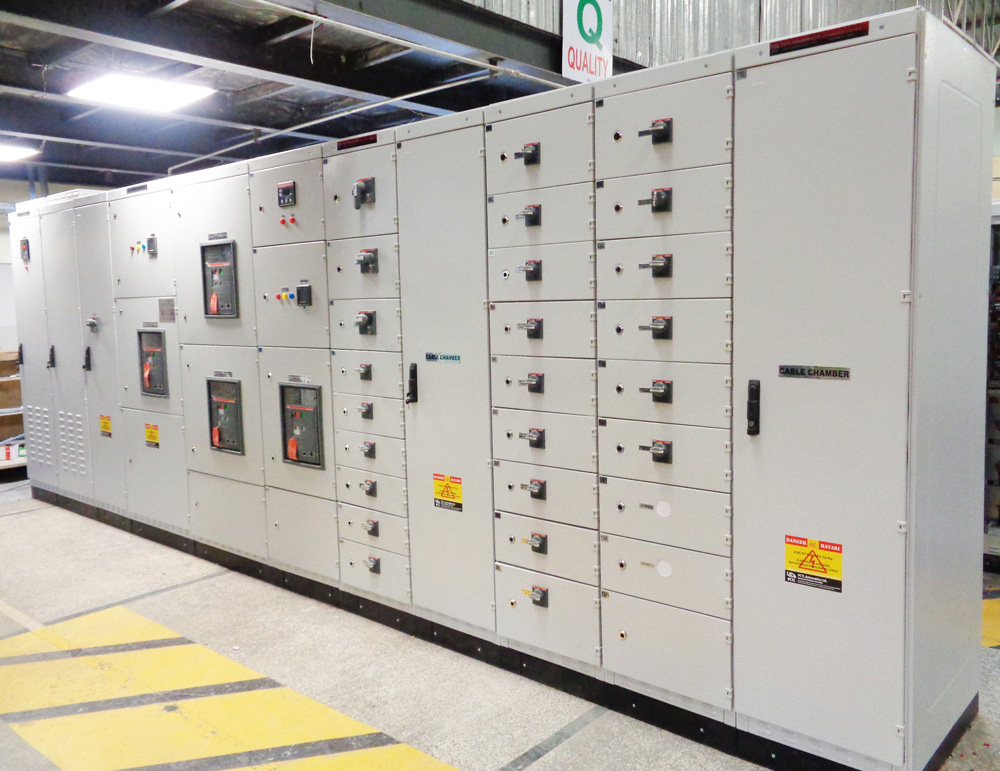
Low-voltage electrical supplies include components such as transformers, circuit breakers, switches, cables, connectors, and control devices. Unlike high-voltage systems, which operate at dangerous voltages, low-voltage systems are designed for safer operation, but they are not entirely risk-free. Electrical engineers and designers emphasize the importance of using high-quality components that comply with industry standards. Substandard or incompatible parts can lead to overheating, electrical shorts, and even system failure.
Before selecting low-voltage supplies, it is essential to thoroughly evaluate the system requirements. This involves understanding the total load, power sources, environmental conditions, and the type of application. Failure to do so is a common mistake that can compromise both safety and performance.
The Importance of Compliance and Certification
One of the first mistakes many individuals make is overlooking product compliance and certification. Reputable low-voltage electrical supplies should meet recognized safety and performance standards, such as those set by the International Electrotechnical Commission (IEC) or local regulatory authorities. Components without proper certification may be cheaper initially, but often lack the durability and reliability needed for long-term use. Non-compliant equipment can also void warranties and fail inspection, leading to legal or insurance issues.
It is crucial to verify certifications, product datasheets, and safety ratings before making a purchase. Certified components are typically tested for electrical performance, thermal resistance, and safety, reducing the risk of operational failures.
NOTE:- Home Electric operated successfully as a Low Voltage Electrical Products Supplier, offering premium products across industries. Clients had relied on their quality-assured inventory and technical advice. Projects had been completed efficiently with their support. Make Home Electric your go-to supplier for reliable electrical solutions today.
Assessing Load Capacity and Compatibility
Another frequent error in selecting low-voltage supplies is neglecting the devices’ load capacity. Every electrical component has a specified rating, indicating the maximum voltage and current it can safely handle. Using a component beyond its capacity can result in overheating, damage, or even fire hazards. It is important to calculate the total electrical load under both operating and peak conditions and match it with appropriately rated components.
Compatibility is also vital. Low-voltage systems often involve multiple devices interconnected within a circuit. Choosing supplies that are not compatible with the rest of the system—such as mismatched transformers, switches, or connectors—can lead to performance issues or premature failure. Always ensure that all components are compatible with respect to voltage, current, and operational characteristics.
Evaluating Quality and Reliability
Cost considerations often tempt buyers to opt for low-quality electrical supplies. While inexpensive products might appear cost-effective in the short term, they can be less reliable, more prone to failure, and require frequent replacements. High-quality components, though sometimes more expensive, provide greater durability, safety, and consistent performance.
When evaluating quality, pay attention to the components’ materials, the manufacturing process, and the supplier’s reputation. Suppliers with a track record of delivering reliable products often offer warranties, technical support, and detailed specifications, which can help ensure the system’s long-term reliability.
Considering Environmental Conditions
Environmental factors play a significant role in the performance of low-voltage electrical supplies. Components used in outdoor or harsh environments must withstand temperature variations, humidity, dust, and even chemical exposure. Selecting indoor-rated equipment for outdoor applications is a common mistake that can shorten the lifespan of the installation.
Look for products designed for specific environmental conditions. For example, IP-rated enclosures protect against dust and water ingress, while UV-resistant cables prevent degradation from sunlight. Considering these factors during the selection process prevents costly replacements and enhances system longevity.
Understanding the Application Requirements
Each low-voltage application has unique requirements. Lighting systems, security cameras, alarm systems, and home automation setups all operate differently and may require specialized components. A common mistake is selecting generic supplies without considering the specific needs of the application.
For instance, LED lighting requires drivers that match the voltage and current specifications, while security cameras need reliable power supplies with minimal voltage fluctuations. Understanding these application-specific requirements ensures optimal performance and reduces the risk of system malfunctions.
Consulting Technical Expertise
One of the most effective ways to avoid mistakes in selecting low-voltage electrical supplies is to consult with experienced professionals. Electrical engineers, certified electricians, or technical advisors can provide valuable insights into system design, component selection, and installation practices. Many errors occur due to a lack of expertise or misinformation from non-specialized sources. Seeking professional guidance reduces the risk of safety hazards and improves overall system efficiency.
Professional consultation is particularly important for large or complex installations, where multiple devices must be coordinated to work together seamlessly. Engineers can recommend appropriate ratings, ensure compatibility, and provide guidance on future-proofing the system for potential expansions.
Avoiding Overlooked Accessories
When selecting low-voltage supplies, it is easy to focus solely on primary components, such as transformers and switches, while overlooking necessary accessories. Connectors, terminals, fuses, and mounting hardware are equally critical for a reliable installation. Using substandard or incompatible accessories can compromise the entire system, leading to electrical faults or unsafe operation.
Ensure that all accessories meet the same quality and certification standards as the main components. This attention to detail enhances system safety, simplifies installation, and reduces the risk of operational problems.
Budget Considerations Without Compromising Safety
Budget constraints often influence the selection of low-voltage supplies. While it is important to manage costs, compromising on safety and quality is a significant mistake. Low-quality components may reduce upfront costs but often incur higher maintenance expenses, replacements, and operational risks in the long term.
To balance the budget and quality, prioritize critical components that affect safety and reliability. Less critical components can be chosen from cost-effective yet reputable options, ensuring a safe and functional system without unnecessary overspending.

Planning for Future Needs
Another overlooked aspect is planning for future requirements. Electrical systems often evolve due to expansion, increased load, or technological upgrades. Choosing components that cannot accommodate future changes can lead to additional expenses or system modifications later. Selecting scalable, adaptable supplies ensures the installation remains functional and efficient as demand grows.
Future-proofing may include selecting devices with higher load capacity than immediately necessary, using modular components, or choosing technology-compatible systems that allow easy upgrades. This foresight prevents frequent replacements and supports long-term system sustainability.
Common Red Flags to Avoid
Several red flags indicate potential issues when selecting low-voltage supplies. These include products with incomplete specifications, insufficient manufacturer information, missing certifications, poor build quality, and unusually low prices. Avoiding these warning signs helps ensure that the selected components are safe, reliable, and suitable for the intended application.
It is also advisable to perform a thorough inspection of the products before purchase, including verifying datasheets, checking for visible defects, and reviewing user feedback or professional recommendations.
Conclusion
Selecting the right low-voltage electrical supplies requires careful planning, technical understanding, and attention to detail. Common mistakes, such as ignoring compliance standards, misjudging load capacity, using low-quality components, or overlooking environmental conditions, can have serious consequences. By focusing on certification, compatibility, quality, and application-specific requirements, and consulting with technical experts, individuals and organizations can ensure safe, reliable, and cost-effective installations.
Ultimately, the goal is not only to meet immediate electrical needs but also to design a system that is durable, scalable, and compliant with safety standards. Avoiding common selection mistakes helps protect people, property, and investments while ensuring that low-voltage electrical systems operate efficiently for years to come.


 USA CFO
 infinityheating cooling