Richard Clark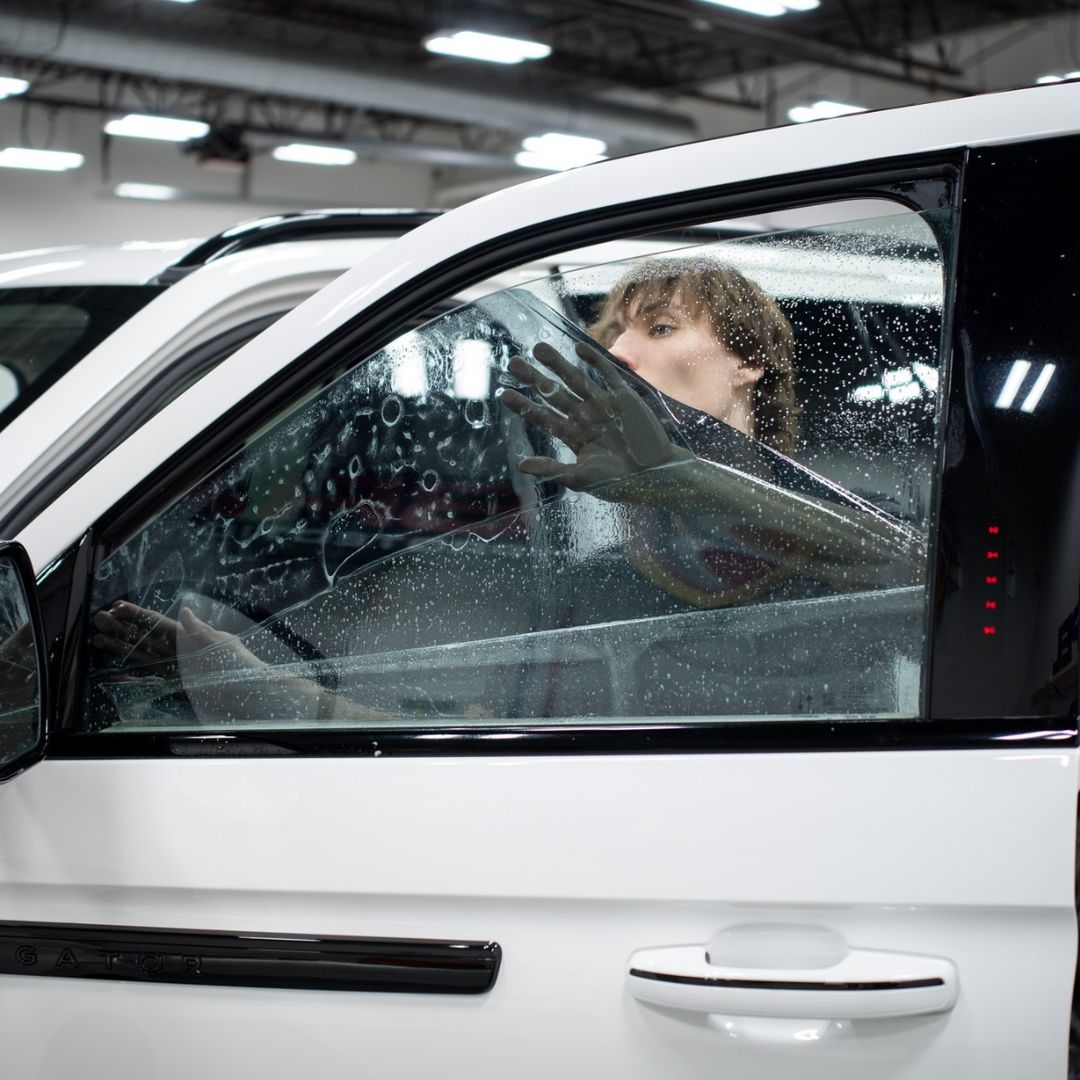
Choosing the right window tint is not just about how your car looks. It affects visibility, heat control, UV protection, privacy, and even how comfortable your daily drive feels. The right choice depends on a mix of factors, including your state’s legal tint limits, the climate you drive in, and what you personally value more, whether that is privacy, cooler interiors, or reduced glare. Once you understand how different tint levels and film types actually perform, the decision becomes much more practical and far less confusing.
Why Window Tinting Is Worth Considering
Most people think about car window tinting purely for aesthetics. A sleek, dark look on a vehicle is hard to argue with. But the benefits go well beyond how your car looks parked in a lot.
Good window film blocks a significant portion of UV rays, which protects both your skin and your car’s interior. Prolonged sun exposure fades upholstery, cracks dashboards, and deteriorates leather over time. A quality tint acts like sunscreen for your vehicle’s interior.
Heat rejection is another major reason drivers invest in tinting. During summer months, a car parked under direct sun can reach interior temperatures well above 130°F. The right film can reduce that heat load substantially, making your car more comfortable and reducing the demand on your air conditioning system.
Understanding the Different Types of Window Film
Dyed Film
Dyed film is the most budget-friendly option available. It works by absorbing solar heat rather than reflecting it, which means it offers modest heat rejection but good privacy. Over time, dyed film can fade or turn purple, especially in high-UV climates like Arizona or Florida. It is a decent starting point if cost is the primary concern.
Metalized Film
Metalized film uses tiny metallic particles embedded in the layers to reflect heat and UV rays. It tends to be more durable than dyed film and holds its color well over the years. However, it can interfere with GPS signals, cell reception, and radio performance. Worth knowing before you commit.
Carbon Film
Carbon film is a step up in both performance and longevity. It rejects heat effectively without the signal interference issues tied to metallic films. The finish has a matte look that many drivers find more refined than the shiny appearance of metalized options. It sits in a mid-range price point, making it one of the more popular choices among everyday drivers.
Ceramic Film
Ceramic film is widely considered the top tier of window tint technology. It uses non-metallic, non-conductive ceramic particles to block a high percentage of infrared heat and UV rays without affecting electronic signals. Visibility remains sharp, even in darker shades. It costs more upfront, but the long-term performance makes it a strong investment for drivers in hot climates or those who spend a lot of time on the road.
Navigating Window Tint Laws in the US
This is where things get specific, and it matters. Every state has its own regulations around how dark your window tint can legally be. These laws are measured in VLT, or Visible Light Transmission, which refers to the percentage of light the film allows through.
In Minnesota, for example, the front side windows must allow at least 50% VLT. Rear windows can go darker. Other states like California require 70% VLT on front side windows. States in the South and Southwest tend to allow darker tints overall because of the intense sunlight those regions experience year-round.
Getting your car window tinting done without checking local laws first is a mistake that can cost you fines or require you to remove the film entirely. Always verify the regulations in your state before choosing a shade.
What to Look for in a Professional Installer
Not all installers are equal. Look for a shop with verifiable experience, a portfolio of past work, and a solid warranty on both materials and labor. Bubbling, peeling, and discoloration within the first year are signs of poor installation, and a reputable shop should stand behind their work.
Film Brand and Quality
Ask what brand of film the shop uses. Well-known brands like 3M, Llumar, and Suntek have established reputations for performance and durability. A low quote paired with an unfamiliar or unnamed film brand is often a sign that quality has been compromised.
Professional car window tinting should feel like a long-term upgrade to your vehicle, not a quick cosmetic fix you regret two summers later.
Final Thoughts
The best window tint is not a one-size-fits-all choice. It is the one that aligns with your local regulations, suits your driving conditions, and matches how you use your car every day. In hotter climates, heat rejection may matter most, while in urban settings, privacy and glare reduction often take priority. When done right, window tinting is not just an upgrade in appearance, but a long-term improvement in comfort, protection, and driving experience.


 Neha Sharma