Leoscor Alloys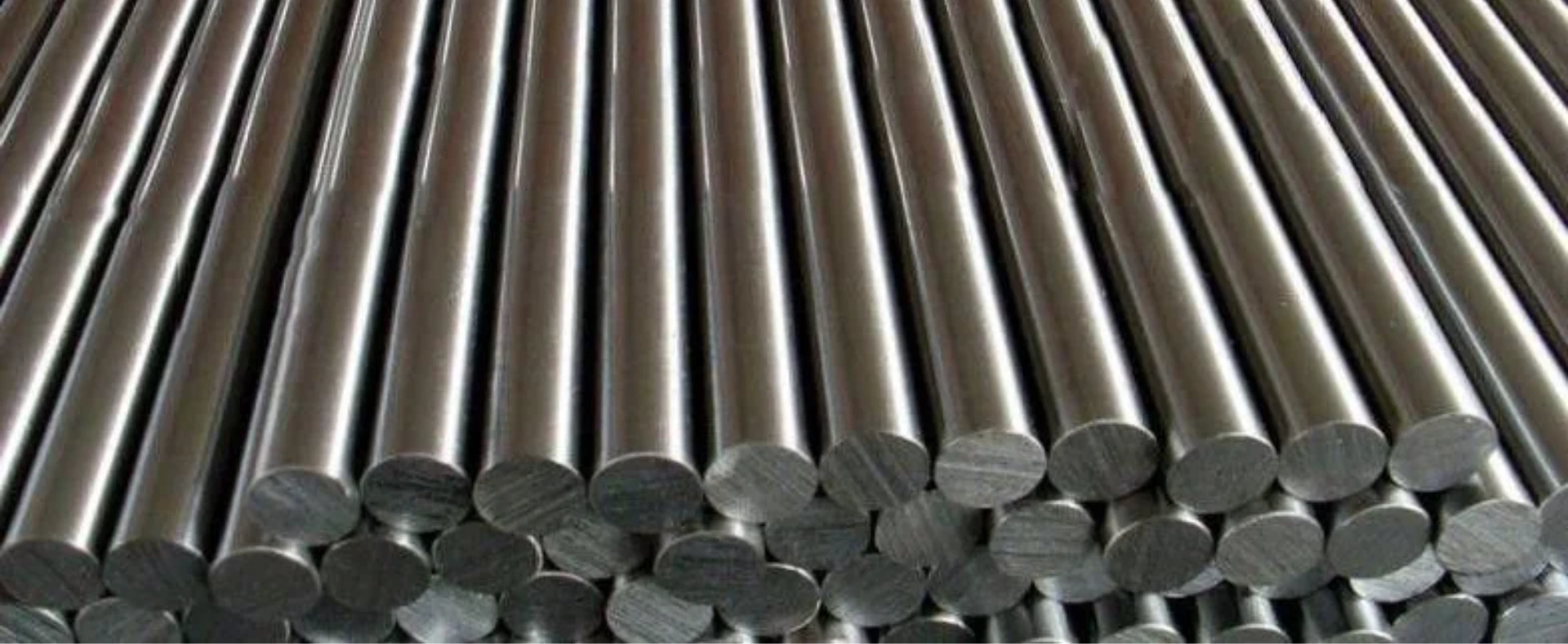
Choosing the right 303 stainless steel round bar supplier is just as important as selecting the correct material grade. While 303 stainless steel is widely known for its excellent machinability, good corrosion resistance, and reliable strength, the overall performance of your project depends heavily on the quality, consistency, and service standards of your supplier.
Whether you are sourcing for precision machining, fastener production, shafts, or automotive components, working with a trusted supplier ensures better productivity, lower costs, and long-term reliability.
Understand Your Material Requirements First
Before selecting a supplier, clearly define your technical needs. This helps you evaluate whether the supplier can meet your specifications.
Consider:
-
Diameter and length requirements
-
Tolerance levels
-
Surface finish (bright, polished, black)
-
Quantity and bulk orders
-
Industry standards and certifications
Having these details ready prevents delays and ensures accurate quotations.
Check Product Quality and Compliance
Quality should always be the top priority. Poor-quality round bars can cause machining issues, material wastage, and product failure.
Look for suppliers that provide:
-
Mill test certificates (MTC)
-
Chemical composition reports
-
Mechanical property testing
-
Compliance with ASTM/EN standards
-
Proper traceability
Consistent quality ensures smooth machining and reduces downtime during production.
Evaluate Manufacturing and Stock Capabilities
A reliable supplier should have strong manufacturing or stocking capacity to handle both small and bulk orders without delays.
Key factors to assess:
-
Ready stock availability
-
Wide size range
-
Custom cutting services
-
Quick dispatch timelines
-
Ability to manage repeat orders
Suppliers with good inventory management can significantly reduce lead times.
Assess Industry Experience
Experience often translates into better product knowledge and service reliability. Established suppliers understand the demands of industries such as automotive, aerospace, engineering, and heavy machinery.
An experienced supplier can also recommend the right specifications based on your application, helping you avoid costly mistakes.
Compare Pricing Without Compromising Quality
While competitive pricing is important, extremely low prices may indicate substandard materials. Instead of focusing only on cost, evaluate overall value.
Consider:
-
Product durability
-
Machining efficiency
-
Reduced rejection rates
-
Long-term performance
Paying slightly more for superior quality often results in lower total costs over time.
Look for Value-Added Services
Modern suppliers offer additional services that simplify procurement and improve efficiency.
These may include:
-
Custom machining or cutting
-
Polishing and finishing
-
Packaging and labeling
-
Technical support
-
Bulk discounts
-
Timely logistics and delivery
Such services save time and reduce operational hassles.
Check Customer Support and Reliability
Strong communication and after-sales service are essential. A dependable supplier should respond quickly to queries, provide clear documentation, and resolve issues efficiently.
Reading client reviews, testimonials, or asking for references can help you assess their credibility.
Ensure Consistent Supply Chain
For manufacturers running continuous operations, supply disruptions can cause significant losses. Choose a supplier with a stable supply chain and reliable logistics network to ensure uninterrupted material availability.
Long-term partnerships often lead to better pricing, priority service, and smoother transactions.
Conclusion
Selecting the right supplier for 303 stainless steel round bars goes beyond price comparison. It involves evaluating quality standards, experience, stock availability, service capabilities, and reliability. A trusted supplier ensures consistent material performance, smoother machining, and reduced operational risks.
By carefully assessing these factors, businesses can secure a dependable sourcing partner and achieve better efficiency, productivity, and long-term value.


 150 backlinks
 frazie Miller