Arundhati Dasgupta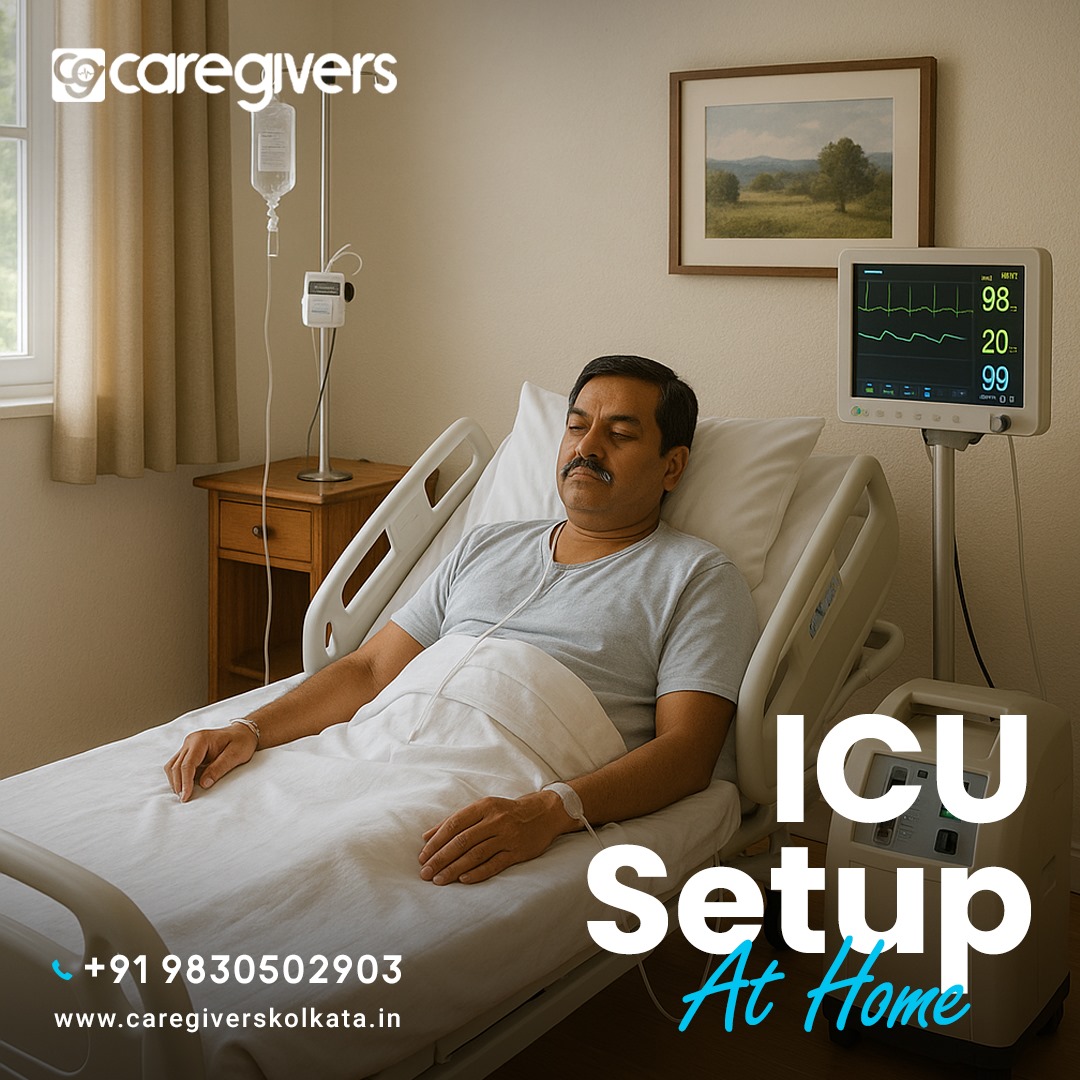
ICU Setup at Home in Kolkata is transforming the way families manage critical illnesses by bringing hospital-level intensive care directly into the comfort of their homes. For many patients, especially the elderly or those with chronic conditions, home-based ICU care offers advanced medical support without the emotional and financial stress of prolonged hospital stays.
Critical care at home is no longer a rare service. In fact, it is becoming a practical, safe, and cost-effective alternative for families who want expert supervision while ensuring emotional comfort. Let’s explore how this works, who it is for, and how you can arrange it safely in Kolkata.
Understanding ICU Setup at Home
Home ICU care refers to creating a medically equipped environment at home that mirrors a hospital’s Intensive Care Unit. It includes advanced monitoring systems, life-support equipment, and trained medical professionals.
What Does ICU Setup at Home Mean?
ICU setup at home means installing essential medical equipment and assigning skilled healthcare professionals to manage critically ill patients outside a hospital setting. The goal is to provide continuous monitoring and immediate medical intervention when needed.
According to guidelines from institutions like the World Health Organization (WHO) and the Indian Society of Critical Care Medicine (ISCCM), critical care requires structured monitoring, oxygen support, and trained supervision. A home ICU follows similar standards, adapted for residential settings.
Who Needs ICU Setup at Home in Kolkata?
Not every patient requires hospital ICU care forever. Many are stable but still need advanced monitoring.
Common cases include:
- Post-surgery recovery requiring close monitoring
- Stroke patients needing ventilator or oxygen support
- Advanced COPD or respiratory disorders
- Terminal illnesses requiring palliative critical care
- Elderly patients with multiple organ complications
For example, an elderly patient recovering from severe pneumonia may not need hospital admission anymore but still requires oxygen support and cardiac monitoring. In such cases, ICU setup at home becomes the ideal bridge between hospital discharge and full recovery.
Why Families Choose ICU Setup at Home in Kolkata
Families choose home ICU care for comfort, affordability, and personalized attention.
Emotional Comfort Speeds Recovery
Patients heal better in familiar surroundings. Being close to loved ones reduces anxiety and improves emotional stability. Studies published in international healthcare journals have shown that patient recovery often improves in stress-free environments.
Hospitals, while necessary, can feel overwhelming. Constant noise, limited visiting hours, and unfamiliar faces can increase emotional distress. Home care removes these stress factors.
Cost-Effective Compared to Long Hospital Stays
Hospital ICU charges in metro cities can be extremely high per day. In contrast, ICU setup at home in Kolkata typically reduces daily costs significantly while maintaining essential care standards.
While exact costs vary based on equipment and duration, many families find it financially sustainable for long-term care.
Personalized One-on-One Monitoring
In hospitals, one nurse may handle multiple patients. At home, the patient often receives dedicated attention.
This improves:
- Response time to emergencies
- Medication accuracy
- Hygiene management
- Overall patient satisfaction
Equipment Included in ICU Setup at Home
A proper ICU setup is not just about a hospital bed. It involves a complete system.
Essential Monitoring Equipment
Monitoring devices track vital signs continuously.
Common equipment includes:
- Cardiac monitor (ECG monitoring)
- Pulse oximeter
- Blood pressure monitor
- Temperature monitor
- Glucometer
These devices help detect early warning signs before a condition worsens.
Respiratory Support Systems
Respiratory support is often the backbone of ICU care.
Equipment may include:
- Oxygen concentrator
- BiPAP or CPAP machine
- Ventilator (in critical cases)
- Nebulizer
Respiratory distress is one of the leading causes of ICU admissions. Having these systems at home ensures uninterrupted support.
Emergency and Support Equipment
Additional equipment ensures patient safety:
- Suction machine
- Infusion pumps
- Feeding tubes
- Adjustable ICU hospital bed
- Air mattress to prevent bed sores
Every piece plays a role in maintaining hospital-grade care standards.
Step-by-Step Process of Setting Up ICU at Home in Kolkata
Setting up ICU care at home requires careful planning. It should always begin with a medical assessment.
Step 1: Doctor’s Evaluation
A certified physician evaluates whether the patient is stable enough for home ICU care. This assessment determines equipment type and nurse requirements.
Step 2: Space Preparation
A clean, well-ventilated room with access to electrical outlets is essential. Backup power supply is recommended. Hygiene standards must be maintained strictly.
Step 3: Equipment Installation
Medical equipment is installed and tested by trained technicians. Safety checks are conducted to prevent electrical hazards.
Step 4: Deployment of Medical Staff
Qualified ICU nurses or trained caregivers are assigned. In critical cases, periodic doctor visits are scheduled.
Step 5: Ongoing Monitoring and Reporting
Daily reports are shared with supervising doctors. Adjustments are made based on patient progress.
Real-Life Scenario: How ICU Setup at Home Helped a Family in Kolkata
Consider a 72-year-old stroke patient discharged from a private hospital in Kolkata. He required oxygen support, feeding tube management, and continuous cardiac monitoring.
His family opted for ICU setup at home. Within 48 hours:
- Equipment was installed
- An ICU-trained nurse was assigned
- Doctor visits were scheduled twice weekly
The patient showed steady improvement in a stress-free environment. The family saved significantly compared to extended hospital ICU charges. Most importantly, he felt emotionally secure at home.
This is not an isolated case. Many families across Kolkata are adopting similar solutions.
Safety and Medical Standards
Safety is non-negotiable in critical care.
Infection Control Measures
Home ICU care follows strict hygiene protocols:
- Regular sanitization
- Sterile equipment handling
- Proper waste disposal
The Centers for Disease Control and Prevention (CDC) guidelines emphasize infection control in healthcare settings. Reputed home ICU providers follow these principles closely.
Trained ICU Professionals Matter
Always ensure nurses are ICU-certified. Experience in ventilator management and emergency response is crucial.
Do not compromise on credentials. Ask for certifications and training details before finalizing services.
Common Mistakes to Avoid
Families often rush decisions during emergencies. Avoid these mistakes.
Choosing Based on Price Alone
Low-cost options may compromise equipment quality or staff experience. Critical care demands reliability.
Ignoring Backup Power Supply
Power outages can be life-threatening when ventilators or oxygen systems are involved. Always install backup power.
Skipping Doctor Supervision
Even if nurses are present, regular doctor reviews are essential. Critical conditions can change quickly.
Frequently Asked Questions About ICU Setup at Home in Kolkata
What is ICU setup at home?
ICU setup at home refers to creating a hospital-like intensive care environment in a residential space with advanced equipment and trained medical staff.
Is ICU care at home safe?
Yes, when managed by certified professionals with proper equipment, it can be safe and effective for stable critical patients.
How quickly can ICU setup be arranged?
In many cases, services can be arranged within 24 to 48 hours, depending on equipment availability and patient condition.
Is it suitable for long-term care?
Yes. Many chronic or terminal patients benefit from long-term home ICU care under medical supervision.
Benefits for Elderly Patients in Kolkata
Kolkata has a growing elderly population. Many seniors prefer staying at home rather than hospitals.
Home ICU care:
- Preserves dignity
- Reduces hospital-acquired infection risk
- Improves mental well-being
- Allows family participation in care
A familiar environment often reduces confusion in elderly patients with dementia or cognitive decline.
Comparing Hospital ICU vs ICU Setup at Home
Hospital ICUs are best for unstable emergencies. Home ICU works best for stabilized but still critical patients.
Hospital ICU advantages:
- Immediate access to surgical teams
- Advanced diagnostic equipment
Home ICU advantages:
- Lower cost
- Emotional comfort
- Personalized attention
- Reduced infection exposure
The right choice depends on the patient’s stability and doctor recommendations.
How to Choose the Right ICU Setup at Home Provider in Kolkata
Choosing the right provider is crucial.
Look for:
- ICU-certified nurses
- Transparent pricing
- 24/7 emergency support
- Positive patient testimonials
- Regular doctor supervision
Ask detailed questions before signing any agreement. A trustworthy provider will explain everything clearly.
Future of Critical Care at Home
Healthcare is evolving. With telemedicine, remote monitoring, and portable ICU devices becoming advanced, home-based critical care is likely to grow further.
Urban cities like Kolkata are witnessing increasing demand because families value both quality care and comfort.
Technology now allows real-time vital tracking shared with doctors remotely. This bridges the gap between hospital and home.
Final Thoughts: Is ICU Setup at Home in Kolkata Right for You?
ICU setup at home in Kolkata offers a powerful blend of advanced medical support and emotional comfort. It reduces costs, improves personalized care, and allows families to stay close during critical moments.
However, it must always be done under proper medical supervision with certified professionals and reliable equipment.
If your loved one is stable but still needs intensive monitoring, home ICU care may be the right step forward.
Contact us today for personalized guidance and safe ICU setup solutions tailored to your family’s needs. Let us help you bring expert 24/7 critical care to the place where healing feels most natural — home.


 Dynamic Clinics
 Aatm Yogashala