trekhops India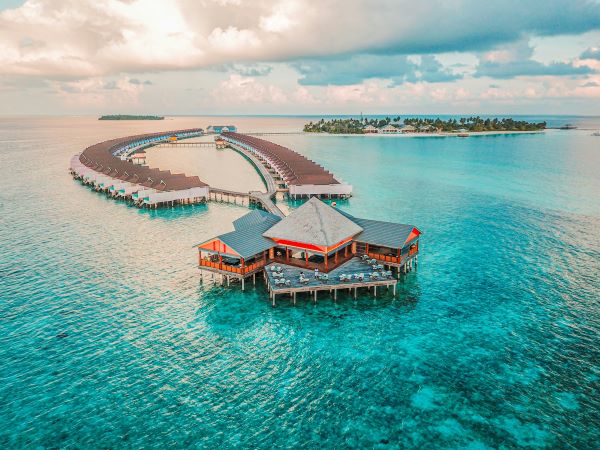
Choosing between the Maldives and Bali is a common dilemma for travelers planning a tropical vacation. Both destinations offer stunning landscapes and unique experiences, but they cater to very different travel styles. Here’s a clear, no-fluff comparison to help you decide.
1. Experience & Travel Style
The Maldives is all about exclusivity, privacy, and luxury. Most travelers stay on private islands with overwater villas, direct lagoon access, and all-inclusive resorts. It’s ideal for honeymooners and couples looking for a peaceful escape.
Bali, on the other hand, is diverse and culturally rich. From temples and waterfalls to beach clubs and nightlife, Bali offers a mix of relaxation and exploration. It suits families, solo travelers, and groups.
2. Beaches & Natural Beauty
Maldives beaches are among the best in the world—white sand, turquoise waters, and minimal crowds. The focus is on marine beauty and underwater experiences.
Bali has beautiful beaches too, but they are more varied. Some areas like Seminyak and Kuta are lively, while Uluwatu offers dramatic cliffs. Bali’s strength lies in its landscapes—rice terraces, volcanoes, and jungles.
3. Activities & Things to Do
In the Maldives, activities revolve around water—snorkeling, scuba diving, kayaking, and sunset cruises. Marine life is the main attraction.
Bali offers more variety. You can explore Ubud for art and culture, visit Tanah Lot Temple, hike Mount Batur, or enjoy beach clubs and shopping.
4. Cost Comparison
The Maldives is generally more expensive due to private island resorts and limited local transport options. Even mid-range stays can be costly.
Bali is significantly more budget-friendly. You can find affordable villas, local food, and cheap transport, making it ideal for longer stays.
5. Accessibility from India
Flights to the Maldives are shorter (around 3–4 hours) with direct connections from major Indian cities. Bali requires longer travel time, often with a layover.
For Indian travelers, booking Maldives Tour packages from India can simplify planning with bundled flights, transfers, and resort stays, especially since inter-island transfers can be complex.
6. Food & Culture
The Maldives has limited local dining options if you’re staying on a resort island, though luxury resorts offer international cuisines.
Bali excels in food and culture. You’ll find local Indonesian dishes, vegan cafes, and international restaurants. Cultural experiences like temple visits and traditional dance performances are easily accessible.
7. Best Time to Visit
- Maldives: November to April (dry season, best for water activities)
- Bali: April to October (dry season, ideal for sightseeing and beaches)
Which One Should You Choose?
- Choose the Maldives if you want luxury, privacy, and world-class snorkeling/diving.
- Choose Bali if you want variety, culture, nightlife, and a budget-friendly trip.
Planning Your Trip
If you’re looking for a hassle-free luxury vacation, Maldives Tour packages from India are a great option. Platforms like Trekhops.in offer curated packages that include stays, transfers, and activities, making it easier to enjoy your trip without planning every detail.
Both destinations are incredible in their own way—the right choice depends on whether you prefer relaxation or exploration.
FAQs
- Is Maldives better than Bali for honeymoon?
Yes, the Maldives is generally better for honeymoons due to its privacy, luxury villas, and peaceful environment. - Is Bali cheaper than the Maldives?
Yes, Bali is much more budget-friendly in terms of accommodation, food, and activities. - Which destination is better for adventure?
Bali offers more diverse activities like hiking, waterfalls, and cultural exploration, while the Maldives focuses on water-based experiences. - Do Indians need visas for Maldives or Bali?
Maldives offers visa-free entry for Indians. Bali (Indonesia) also provides visa-on-arrival options. - Are Maldives Tour packages from India worth it?
Yes, they simplify logistics by including flights, transfers, and stays, especially helpful for first-time travelers.


 Samuel King
 Cliffseas .