Sahu
Sahu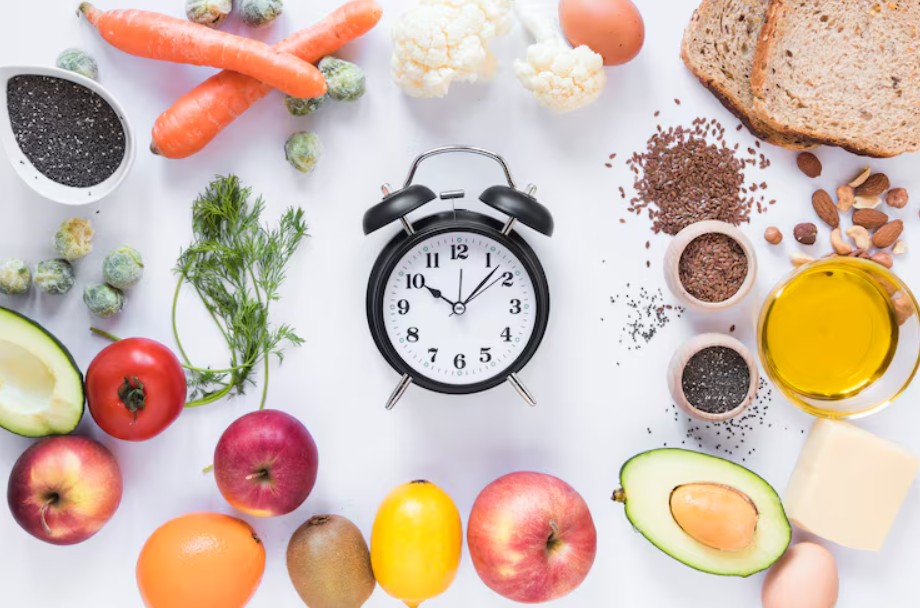
Vitamin D plays an essential role in maintaining strong bones, supporting the immune system, enhancing mood, and helping the body absorb calcium effectively. Yet, despite living in sunny regions or having access to fortified foods, many people still struggle with low vitamin D levels. This happens because absorption depends on more than just sunlight or diet—it requires proper lifestyle habits, healthy gut function, and balanced nutrition. Understanding how the body processes vitamin D can make a big difference in improving overall health. For individuals interested in exploring nutrition more deeply, structured learning programs like a Health And Nutrition Course can offer valuable insights into how nutrients interact within the body. By making small but consistent changes in daily routines, anyone can naturally increase their vitamin D absorption.
Spend More Time in Natural Sunlight
Sunlight is the most effective natural source of vitamin D, specifically UVB rays that trigger vitamin D production in the skin. However, many people spend most of their time indoors, use heavy sunscreen, or live in regions with long winters, which reduces exposure. Spending 10–30 minutes in direct sunlight a few times a week can dramatically boost vitamin D levels. The exact amount needed depends on skin tone, time of day, and geographic location. Darker skin requires more sunlight to produce the same amount of vitamin D as lighter skin. It’s also important to expose larger areas of skin, like arms and legs, for better synthesis. While sunscreen is essential for preventing skin damage, short periods outdoors without sunscreen can support natural production. For those who want to understand nutrient interactions more scientifically, courses like a Health And Nutrition Course explain how sunlight affects vitamin absorption and overall metabolism.
Eat Foods That Support Vitamin D Uptake
Diet alone may not provide all the vitamin D required, but it plays a major supporting role in improving absorption. Fatty fish such as salmon, sardines, tuna, and mackerel are rich sources of vitamin D. Egg yolks, fortified dairy products, and mushrooms exposed to sunlight also help increase intake. Since vitamin D is a fat-soluble vitamin, pairing vitamin D–rich foods with healthy fats such as olive oil, nuts, or avocado can improve absorption significantly. For people who struggle with digestive issues, absorption may be lower, so including probiotics through yogurt or fermented foods can support gut health. Training programs like the Health And Nutrition Course often highlight how dietary choices influence vitamin levels, helping people understand the relationship between nutrition and wellness more clearly. By focusing on nutrient-rich meals, maintaining vitamin D becomes easier and more natural.
Improve Gut Health for Better Nutrient Absorption
The gut plays a major role in absorbing vitamins, including vitamin D. When the digestive system is unhealthy or inflamed, the body has difficulty absorbing nutrients properly. Conditions like irritable bowel syndrome, celiac disease, Crohn’s disease, or chronic inflammation can limit vitamin D absorption. To strengthen gut health, it’s important to eat a balanced diet rich in fiber, probiotics, and prebiotics. Fermented foods such as kefir, kimchi, miso, and sauerkraut help restore healthy gut bacteria. Prebiotic-rich foods like bananas, garlic, onions, and oats feed beneficial bacteria, improving overall digestive function. Staying hydrated also helps the gut operate efficiently. Many health education programs, including a Health And Nutrition Course, teach how digestive health connects to vitamin absorption and overall wellbeing. When the gut is strong, the body becomes more efficient at processing and utilizing vitamin D.
Include Magnesium-Rich Foods in Your Diet
Magnesium and vitamin D work together in the body. Without enough magnesium, vitamin D cannot be properly activated or absorbed. Surprisingly, many people are deficient in magnesium, which leads to lower vitamin D efficiency even if sunlight or supplement intake is adequate. Magnesium supports more than 300 biochemical processes in the body, including those related to bone strength and nutrient conversion. Foods high in magnesium include leafy green vegetables, nuts, seeds, whole grains, and legumes. Including these in your daily meals helps ensure that vitamin D is converted into a usable form. Some studies suggest that improving magnesium intake can reduce symptoms of vitamin D deficiency. Courses such as the Health And Nutrition Course explore how minerals interact with vitamins, making it easier for people to understand why certain nutrients depend on one another. Boosting magnesium is a simple yet powerful way to enhance vitamin D absorption naturally.
Maintain a Healthy Body Weight
Body weight plays a surprising role in vitamin D absorption. Research has shown that people with higher body fat percentages often have lower vitamin D levels. This is because vitamin D is stored in fat tissue, which makes it less available for the body to use. Maintaining a healthy weight through balanced eating and regular activity can improve how effectively the body absorbs and utilises vitamin D. This doesn’t mean following extreme diets; instead, it means incorporating nutrient-dense foods, moderating portion sizes, and staying consistent with physical movement. Even moderate exercise can increase circulation and support overall metabolic function. Understanding the connection between weight and nutrient absorption is often covered in structured training such as the Health And Nutrition Course, which helps learners see the bigger picture of how lifestyle affects vitamin and mineral levels. Achieving a healthy weight can significantly improve vitamin D efficiency.
Reduce Lifestyle Habits That Interfere With Absorption
Certain lifestyle choices can block or weaken the body’s ability to absorb vitamin D. Excessive alcohol consumption, smoking, and chronic stress can negatively impact immune function, digestion, and nutrient absorption. Alcohol interferes with liver health, which plays a key role in processing vitamin D. Smoking reduces the ability of the skin to produce vitamin D from sunlight and affects overall nutrient balance. High stress triggers cortisol release, which may affect how the gut and skin function, reducing vitamin synthesis. Reducing these harmful habits, even gradually, can improve vitamin D levels naturally. Small steps—such as limiting alcohol intake, practising relaxation techniques, or adopting healthier routines—make a noticeable difference. Lifestyle guidance like this is often included in educational programs such as a Health And Nutrition Course, where learners gain a deeper understanding of how habits influence nutrient absorption and wellness.
When Should You Seek Professional Guidance?
While natural methods can significantly improve vitamin D levels, some individuals may still struggle due to medical conditions, age, or genetic differences. In such cases, consulting a healthcare professional is important. Doctors can assess vitamin D levels through blood tests and recommend supplements if necessary. However, supplements are most effective when combined with the natural strategies mentioned above—sunlight, balanced diet, and good gut health. Professional guidance ensures safe dosing and prevents risks associated with excessive vitamin D intake. For those looking to build a strong foundation in nutrition knowledge, enrolling in a structured program like the Health And Nutrition Course can provide valuable skills and insights. Understanding the science behind vitamin absorption helps individuals make healthier decisions and maintain long-term wellness.
Final Thoughts
Vitamin D is essential for maintaining overall health, but many people overlook the factors that influence how well the body absorbs it. From sunlight exposure and diet to gut health and lifestyle choices, every element plays a role. By making small daily adjustments, anyone can naturally improve vitamin D absorption without relying solely on supplements. These habits not only support vitamin D levels but also enhance overall wellbeing. For those eager to explore nutrition in a deeper, structured way, programs like the Health And Nutrition Course offer valuable education. Strengthening your understanding of nutrition empowers you to make smarter choices that support long-term health. With consistency and awareness, achieving optimal vitamin D levels becomes easier and more sustainable.


 jordan turner
 marzy Larcy