snowalex snowalex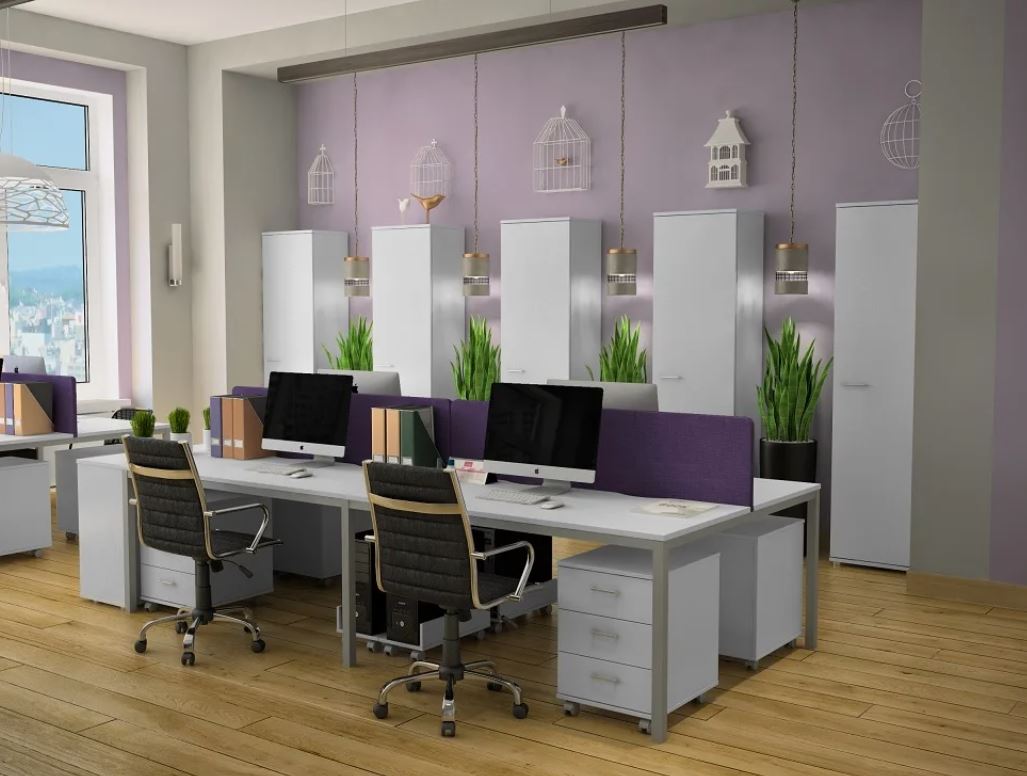
When it comes to creating an efficient workspace, office table design plays a pivotal role. The right desk layout not only affects aesthetics but also influences workflow, comfort, and overall productivity. Employees spend a significant portion of their day at their desks, so investing in a well-thought-out office table can have long-term benefits. A thoughtfully designed table can provide ample space for work essentials, allow better organization, and even improve posture, leading to fewer health issues over time.
Modern workplaces now focus on flexible office table arrangements that accommodate both individual work and collaborative sessions. Adjustable heights, modular designs, and multi-functional storage solutions have become highly sought-after features. When planning an office table design, it’s essential to consider the type of work being done. For instance, tech-heavy roles require desks that can manage multiple monitors and cables efficiently, while creative roles may benefit from larger surfaces for sketching, brainstorming, or layout planning.
Choosing the Right Office Table
Selecting the right office table is not just about size or material—it’s about functionality and ergonomics. Tables come in a variety of styles, from traditional rectangular designs to L-shaped and U-shaped options, each offering distinct advantages depending on office layout. Rectangular tables are ideal for individual workstations, providing a clean and organized area for computers and office supplies. On the other hand, L-shaped tables maximize corner spaces and provide extra room for paperwork or equipment. U-shaped designs are perfect for managerial roles where meetings and discussions often happen at the desk.
Material choice also impacts the efficiency and longevity of an office table design. Solid wood offers durability and elegance, while metal frames combined with tempered glass can provide a sleek, modern aesthetic. Laminate finishes are popular for commercial offices due to their affordability, easy maintenance, and resistance to scratches and stains. Considering these aspects ensures that your office tables remain functional and visually appealing for years.
Incorporating Storage and Organization
An effective office table design must include sufficient storage to prevent clutter and maintain focus. Integrated drawers, shelves, and cable management systems can transform a simple table into a highly organized workspace. Vertical storage solutions, such as overhead compartments, can further optimize office space, especially in compact environments.
Modern trends also include mobile pedestals and under-desk cabinets that allow employees to adjust their workspace dynamically. These storage solutions not only keep essentials within reach but also enhance the overall aesthetic of the office. Investing in tables with built-in organization features ensures a clean environment, which has been proven to boost productivity and employee satisfaction.
Ergonomics and Comfort
Comfort is a non-negotiable factor in designing an effective workspace. Ergonomic office table design ensures that employees can work long hours without strain. Adjustable tables that allow users to switch between sitting and standing positions are increasingly popular, supporting better posture and reducing fatigue. Pairing these tables with ergonomic chairs and proper monitor placement can significantly reduce discomfort and prevent long-term health issues.
In addition, the layout of office tables should encourage natural movement and collaboration. Spacing between desks, clear pathways, and adjustable seating arrangements make it easier for employees to interact, brainstorm, or focus individually. The combination of ergonomic design and flexible layout enhances both physical well-being and productivity.
Aesthetic and Branding Considerations
While functionality is crucial, aesthetics play an equally important role in office table selection. A well-designed office not only motivates employees but also leaves a lasting impression on clients. Contemporary office table design emphasizes clean lines, neutral tones, and materials that reflect the brand’s identity. For example, wooden tables convey warmth and tradition, while metal and glass convey innovation and modernity.
Customizing office tables with company colors, logos, or unique finishes can create a cohesive office environment. Incorporating greenery, lighting, and decorative elements alongside the desks elevates the overall ambiance, making the workspace more inviting and inspiring. Employees are more likely to stay focused and engaged in a visually pleasing environment, and clients perceive the office as professional and trustworthy.
Collaboration-Friendly Designs
Modern offices often emphasize teamwork, and office tables need to support this dynamic. Collaborative office table design includes shared tables, modular desks, and conference-style arrangements that encourage group interaction. Tables with mobile partitions allow teams to adapt the space for privacy or open collaboration, depending on project needs.
Integrating technology-friendly features, such as built-in charging stations, USB hubs, and cable management systems, ensures that team members can work efficiently without clutter. Collaborative tables not only improve communication but also foster a culture of innovation and problem-solving. When designing such setups, it’s essential to balance shared space with individual work areas to prevent distractions and maintain productivity.
Sustainability and Longevity
Sustainability is becoming a crucial consideration in office furniture selection. Eco-friendly materials, such as reclaimed wood, bamboo, or recycled metals, are increasingly used in office table design. Choosing durable tables reduces the need for frequent replacements, lowering costs and environmental impact over time.
Moreover, tables designed for modularity or adaptability extend their lifespan by allowing offices to reconfigure layouts without purchasing entirely new furniture. Sustainability-conscious businesses benefit from both financial savings and a positive reputation for environmentally responsible practices.
Conclusion
Incorporating the right office table design and selecting functional office tables can transform an office into a productive, comfortable, and aesthetically appealing environment. From ergonomics and storage to collaboration and sustainability, thoughtful desk choices support both employee well-being and business efficiency. By focusing on these aspects, companies can create workspaces that inspire innovation, maintain order, and leave a lasting impression. Modern office table designs understand that a desk is more than just a piece of furniture—it’s the centerpiece of productivity, creativity, and professional identity.


 Westcoast Walls
 Mathew Smith