Kevin Hill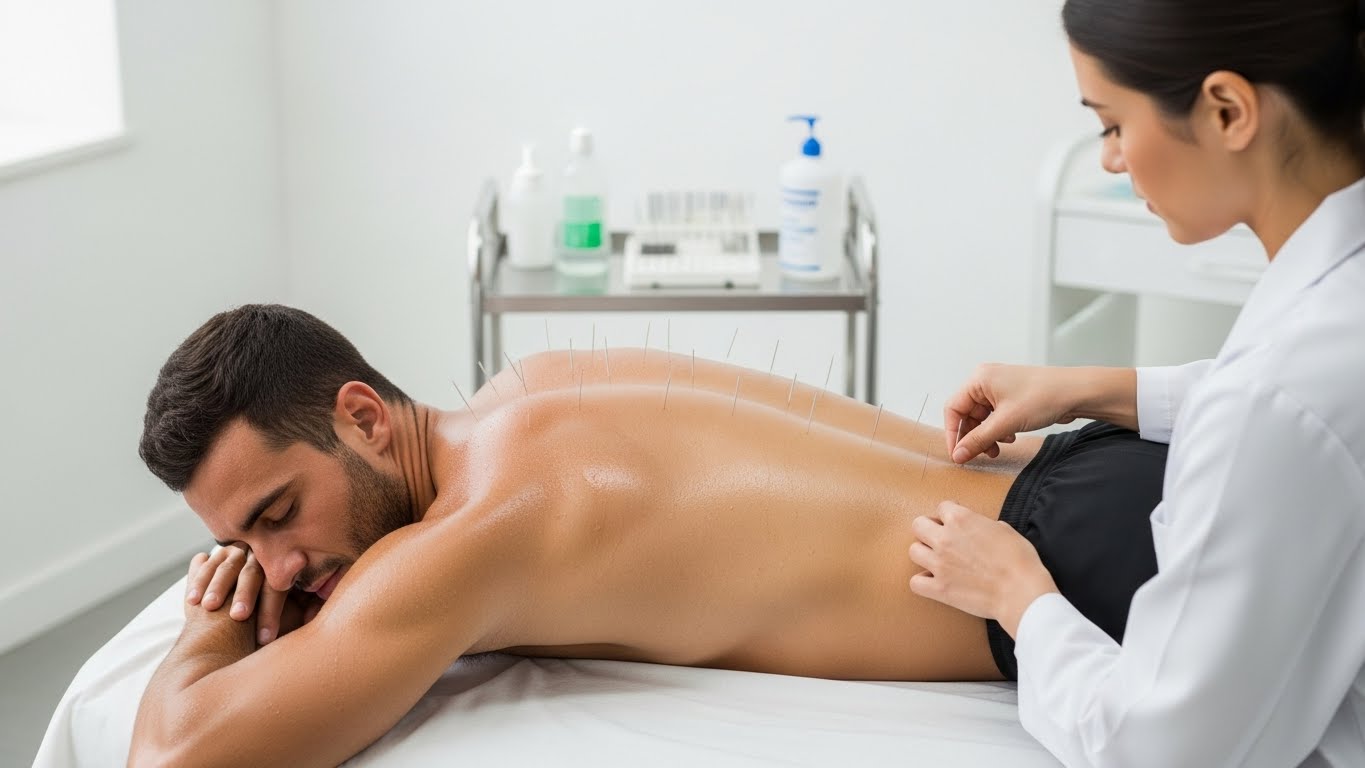
Performance Conditioning and Breath Efficiency Enhanced by Acupuncture for Athletes
In the competitive world of athletics, where fractions of seconds and millimeters separate victory from defeat, athletes continuously seek safe, legal methods to optimize performance. While training regimens, nutrition protocols, and recovery strategies receive considerable attention, an increasing number of elite and recreational athletes are discovering the performance-enhancing benefits of acupuncture for athletes—a scientifically supported intervention that enhances aerobic capacity, improves neuromuscular coordination, accelerates recovery, and provides a legal competitive edge without pharmaceutical risks.
This ancient healing practice, refined over thousands of years in Traditional Chinese Medicine (TCM), offers modern athletes a comprehensive approach to performance optimization that addresses not only physical conditioning but also the mental focus and physiological efficiency required for peak athletic achievement.
Understanding the Athletic Performance Paradigm
Athletic performance depends on the complex integration of multiple physiological systems working at their optimal capacity. Cardiovascular efficiency delivers oxygen and nutrients to working muscles, respiratory mechanics maximize oxygen uptake, neuromuscular coordination ensures precise movement execution, metabolic pathways provide sustained energy, and recovery processes rebuild tissues stronger than before.
When any of these systems underperforms, overall athletic capacity diminishes. Traditional training approaches target individual components through specific exercises—strength training for muscles, interval work for cardiovascular adaptation, flexibility routines for range of motion. However, acupuncture for athletic endurance and stamina offers a systemic approach that simultaneously optimizes multiple performance determinants through its effects on nervous system regulation, circulatory enhancement, and metabolic efficiency.
Research published in Sports Medicine examined various complementary therapies for athletic performance enhancement and concluded that acupuncture produces measurable improvements in endurance capacity, muscle strength, reaction time, and recovery markers. These benefits stem from acupuncture’s ability to influence fundamental physiological processes that underlie all athletic endeavors.
Enhancing Respiratory Efficiency and Oxygen Utilization
Oxygen delivery to working muscles represents a primary limiting factor in aerobic performance. The ability to take in, transport, and utilize oxygen efficiently—measured as maximal oxygen consumption (VO2max)—directly correlates with endurance capacity across virtually all sports.
One of the most significant benefits of acupuncture for athletes involves improved respiratory mechanics and oxygen utilization. Studies have documented that acupuncture can increase lung capacity, improve breathing pattern efficiency, and enhance cellular oxygen utilization at the mitochondrial level.
Research in The Journal of Alternative and Complementary Medicine examined acupuncture’s effects on respiratory function in athletes. The study found that subjects receiving acupuncture showed significant improvements in forced vital capacity (FVC), forced expiratory volume (FEV1), and peak expiratory flow rate compared to controls. These improvements in pulmonary function translated to enhanced performance during high-intensity exercise.
The mechanisms involve both mechanical and neurological factors. Acupuncture releases tension in respiratory muscles including the diaphragm, intercostals, and accessory breathing muscles. When these muscles function optimally without unnecessary tension or restriction, breathing becomes more efficient, requiring less energy expenditure for the same oxygen intake.
Additionally, acupuncture influences the brainstem respiratory centers that control breathing rhythm and depth. Specific acupoints including Lung 1 (Zhongfu), Conception Vessel 17 (Danzhong), and Bladder 13 (Feishu) have demonstrated effects on respiratory regulation, promoting deeper, more efficient breathing patterns even during intense exertion.
From a TCM perspective, the Lungs govern Qi intake from the air, and any deficiency or obstruction in Lung function impairs overall vitality and performance capacity. acupuncture for athletic endurance and stamina strengthens Lung Qi, promotes downward movement of Qi to support endurance, and ensures efficient oxygen distribution throughout the body.
Improving Cardiovascular Function and Circulation
Beyond respiratory capacity, cardiovascular efficiency determines how effectively oxygen reaches working muscles. Heart rate response, stroke volume, cardiac output, and peripheral circulation all contribute to athletic performance, particularly in endurance sports.
Acupuncture for athletes produces measurable cardiovascular adaptations that enhance athletic capacity. Studies using echocardiography and cardiac output monitoring have documented that regular acupuncture treatment improves stroke volume—the amount of blood pumped with each heartbeat—allowing the heart to deliver more oxygen with less effort.
Research published in the European Journal of Applied Physiology examined trained runners receiving acupuncture during a training cycle. The athletes showed improved heart rate variability (HRV)—a marker of cardiovascular health and autonomic balance—and faster return to baseline heart rate following intense exercise. These adaptations indicate improved cardiovascular efficiency and recovery capacity.
Acupuncture also enhances peripheral circulation, ensuring oxygen-rich blood reaches muscle tissues efficiently. Studies using thermography and laser Doppler flowmetry have documented increased blood flow in muscles following acupuncture treatment, with effects persisting for hours after needle removal.
For endurance athletes, this enhanced circulation means sustained oxygen delivery during prolonged exertion. For power athletes, improved blood flow facilitates delivery of nutrients needed for muscle contraction and rapid removal of metabolic waste products like lactate that contribute to fatigue.
Commonly used cardiovascular points include Pericardium 6 (Neiguan) to regulate heart function, Heart 7 (Shenmen) to support cardiac efficiency, and Spleen 6 (Sanyinjiao) to strengthen overall circulation. These points, combined with sport-specific protocols, optimize the cardiovascular system’s contribution to athletic performance.
Enhancing Neuromuscular Coordination and Proprioception
Athletic success requires precise neuromuscular coordination—the nervous system’s ability to recruit muscle fibers in precisely timed sequences that produce efficient, powerful movements. Whether executing a golf swing, performing a gymnastics routine, or sprinting around a track, optimal performance depends on refined motor control.
Acupuncture for athletes enhances neuromuscular function through several mechanisms. First, it modulates motor cortex activity and corticospinal tract function—the neural pathways that transmit movement commands from brain to muscles. Functional MRI studies have shown that acupuncture alters activity patterns in motor control regions of the brain, potentially enhancing movement precision and efficiency.
Second, acupuncture improves proprioception—the body’s awareness of joint position and movement in space. Proprioceptive accuracy is crucial for athletic performance, enabling athletes to execute complex movements without conscious attention while maintaining optimal form even during fatigue.
A study in Acupuncture in Medicine examined acupuncture’s effects on balance and proprioception in athletes. Researchers found that subjects receiving acupuncture showed significant improvements in single-leg balance tests and joint position sense compared to controls. These proprioceptive enhancements reduce injury risk while improving movement efficiency.
Third, acupuncture optimizes muscle firing patterns by releasing myofascial trigger points and reducing inappropriate muscle tension. When muscles contract only when needed and relax fully between contractions, movements become more efficient and less energy-intensive.
For athletes in sports requiring precision—golf, archery, gymnastics, diving—these neuromuscular enhancements can provide meaningful performance advantages. Even in sports emphasizing strength or endurance, improved movement efficiency translates to reduced energy waste and enhanced performance.
Accelerating Recovery and Reducing Overtraining Risk
Training creates the stimulus for adaptation, but recovery allows those adaptations to occur. The balance between training stress and recovery capacity determines whether athletes improve or develop overtraining syndrome—a state of chronic fatigue, performance decline, and increased injury susceptibility.
Acupuncture for athletes accelerates recovery through multiple mechanisms. It reduces inflammation following intense training, enhances circulation to deliver nutrients and remove metabolic waste, promotes parasympathetic nervous system dominance that facilitates recovery, and improves sleep quality essential for adaptation.
Research in The Journal of Strength and Conditioning Research examined elite athletes receiving acupuncture during intense training periods. The study found that athletes in the acupuncture group showed lower creatine kinase levels (a marker of muscle damage), reduced cortisol (a stress hormone), and better maintenance of performance capacity compared to controls receiving no acupuncture.
Sleep represents one of the most critical recovery factors, yet many athletes struggle with sleep disturbances due to nervous system activation, competition stress, or travel schedules. Studies have documented that acupuncture improves sleep quality and duration by regulating circadian rhythms and promoting parasympathetic activation.
A systematic review in Sleep Medicine Reviews found that acupuncture significantly improved insomnia symptoms, with effects comparable to conventional sleep medications but without side effects or dependency risks. For athletes, better sleep translates directly to improved recovery, enhanced adaptation, and superior performance.
From a TCM perspective, intense training depletes Qi and Blood while generating Heat and dampness in muscles. Acupuncture for athletic endurance and stamina replenishes Qi and Blood, clears Heat, resolves dampness, and restores the balanced state necessary for continued improvement rather than breakdown.
Managing Exercise-Induced Asthma and Breathing Disorders
Exercise-induced bronchoconstriction (EIB), commonly called exercise-induced asthma, affects up to 90% of individuals with asthma and approximately 10% of the general athletic population. This condition causes airway narrowing during or after exercise, resulting in wheezing, coughing, chest tightness, and reduced performance.
Conventional management typically involves bronchodilator medications, which, while effective, may have side effects and require careful timing around competition. Acupuncture for athletic endurance and stamina offers a complementary approach that addresses the underlying airway hyperreactivity.
Research published in Respiratory Medicine examined acupuncture for exercise-induced asthma in athletes. The study found that subjects receiving acupuncture showed significant improvements in lung function tests, reduced symptom frequency, and decreased bronchodilator use compared to controls. The benefits persisted for weeks after treatment ended, suggesting lasting therapeutic effects.
The mechanisms involve modulation of inflammatory processes in airways, regulation of autonomic nervous system tone (parasympathetic activation dilates airways while sympathetic overactivity can contribute to constriction), and potential effects on immune responses underlying airway hyperreactivity.
For athletes affected by EIB, acupuncture for athletes provides drug-free symptom management that doesn’t risk positive drug tests or medication side effects. Points including Lung 1 (Zhongfu), Bladder 13 (Feishu), and Ding Chuan (an extra point specifically for asthma) are commonly used in treatment protocols.
Enhancing Mental Focus and Competitive Psychology
Athletic performance isn’t purely physical—mental factors including focus, confidence, stress management, and competitive mindset significantly influence outcomes. Pre-competition anxiety can impair performance through various mechanisms: muscle tension reduces efficiency, stress hormones alter energy metabolism, and attention disruption impairs decision-making and execution.
Acupuncture for athletes addresses the psychological aspects of performance through its proven effects on stress response and emotional regulation. Studies have documented that acupuncture reduces anxiety, improves mood, and enhances cognitive function—all beneficial for athletic competition.
Research in Sports Medicine examined acupuncture’s effects on pre-competition anxiety in athletes. The study found that athletes receiving acupuncture before competitions showed significantly lower state anxiety scores, reduced cortisol levels, and self-reported improvements in performance quality compared to pre-treatment baselines.
The mechanisms involve modulation of limbic system activity—brain regions governing emotions and stress responses. Neuroimaging studies have shown that acupuncture deactivates the amygdala (the brain’s fear center) while activating regions associated with emotional regulation and cognitive control.
Points such as Heart 7 (Shenmen) to calm the mind, Yintang (the “third eye” point) to reduce anxiety, and Du-20 (Baihui) to enhance mental clarity are commonly used in pre-competition protocols. Many athletes report feeling simultaneously relaxed and focused following treatment—an ideal state for optimal performance.
From a TCM perspective, competition stress can cause Liver Qi stagnation (tension and irritability) and Heart Fire (anxiety and racing thoughts). acupuncture for athletic endurance and stamina smooths Liver Qi, clears Heart Fire, and grounds the Spirit (Shen), creating the mental equilibrium necessary for peak performance under pressure.
Optimizing Body Composition and Metabolic Efficiency
Body composition—the ratio of muscle to fat mass—significantly impacts performance across most sports. Athletes continuously seek to optimize composition, building lean muscle while minimizing excess body fat. However, aggressive dieting can impair performance and recovery, creating a challenging balance.
Acupuncture for athletic endurance and stamina may support healthy body composition through effects on metabolism and appetite regulation. Studies have shown that acupuncture influences hormones governing appetite and metabolism, including leptin, ghrelin, and insulin.
Research published in Obesity Reviews examined acupuncture for weight management and found significant effects on body mass index, waist circumference, and body fat percentage. While most studies focused on overweight populations, the mechanisms—enhanced metabolic rate, improved insulin sensitivity, and appetite regulation—apply to athletes seeking composition optimization.
Additionally, acupuncture improves digestive function, ensuring efficient nutrient absorption from the carefully calibrated diets most athletes follow. Points such as Stomach 36 (Zusanli) strengthen digestive Qi, Spleen 6 enhances nutrient transformation, and Conception Vessel 12 (Zhongwan) regulates stomach function.
For endurance athletes, enhanced fat oxidation capacity—the ability to derive energy from fat stores during prolonged exercise—extends performance by sparing limited glycogen reserves. Some evidence suggests acupuncture may improve substrate utilization, though more research is needed in athletic populations.
Preventing Injuries Through Enhanced Body Awareness
Injury prevention represents a crucial component of athletic longevity and consistent performance. While acute injuries from contact or falls are sometimes unavoidable, many athletic injuries result from overuse, poor movement patterns, inadequate recovery, or reduced proprioception during fatigue.
Acupuncture for athletes contributes to injury prevention through several pathways. Enhanced proprioception improves joint stability and movement control, reducing risk of sprains and tears. Improved recovery capacity prevents the cumulative tissue damage that leads to overuse injuries. Release of muscle tension and trigger points corrects movement compensations that stress joints and tissues abnormally.
Research in the British Journal of Sports Medicine examined injury rates in athletes receiving regular acupuncture compared to controls. The study found significantly lower injury incidence in the acupuncture group, attributed to improved neuromuscular function, better recovery, and enhanced body awareness.
Many professional and Olympic athletes incorporate acupuncture for athletic endurance and stamina into their regular maintenance programs specifically for injury prevention. Weekly or biweekly treatments address emerging issues before they become performance-limiting, maintain optimal muscle balance and flexibility, and ensure the body remains in peak condition throughout competitive seasons.
Conclusion
The comprehensive benefits of acupuncture for athletes demonstrate why this evidence-based intervention has become increasingly prevalent in professional sports and Olympic training programs. By enhancing respiratory efficiency, optimizing cardiovascular function, improving neuromuscular coordination, accelerating recovery, managing psychological stress, and preventing injuries, acupuncture offers athletes a legal, safe method to maximize their genetic potential and competitive edge.
Unlike pharmaceutical performance enhancers that carry health risks and legal consequences, acupuncture for athletic endurance and stamina works by optimizing the body’s natural physiological processes—supporting rather than artificially stimulating performance. This approach aligns with the principles of clean sport while providing measurable benefits that translate to improved athletic outcomes.
For athletes at all levels—from weekend warriors to Olympic competitors—acupuncture for athletic endurance and stamina provides an integrative tool that complements training, nutrition, and recovery protocols. Working with licensed acupuncturists who understand sport-specific demands and athletic physiology ensures optimal treatment protocols that address individual performance goals while supporting long-term health and athletic longevity. As the intersection of traditional medicine and sports science continues evolving, acupuncture stands as a validated bridge offering athletes natural performance optimization grounded in both ancient wisdom and modern research.


 Steven Hoff
 breast surgery