sophia eddi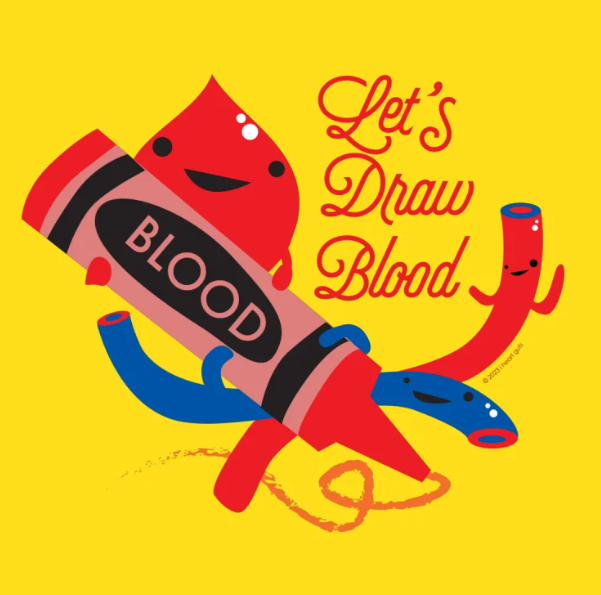
Becoming a phlebotomist is one of the fastest and most reliable pathways into the healthcare industry. With hospitals, laboratories, blood banks, and clinics in constant need of skilled professionals, phlebotomy courses offer a practical entry point to a stable and rewarding career.
This complete guide explains what phlebotomy courses include, who can join, career opportunities, and why this field is growing so rapidly.
What Is Phlebotomy?
Phlebotomy is the medical practice of drawing blood from patients for:
-
Diagnostic testing
-
Blood transfusions
-
Donations
-
Research purposes
A phlebotomist must be skilled, gentle, and confident, as they interact with patients daily and ensure accurate blood collection.
What Are Phlebotomy Courses?
Phlebotomy courses are structured training programs that teach students how to safely draw blood, handle laboratory equipment, maintain records, and communicate with patients. These courses combine theory, hands-on training, and sometimes clinical experience.
Most phlebotomy programs include:
✔ Anatomy & Physiology
Understanding veins, circulatory system, and patient conditions.
✔ Venipuncture Techniques
Learning how to draw blood safely and efficiently.
✔ Safety & Infection Control
Using PPE, sanitation, and preventing contamination.
✔ Equipment Handling
Needles, tubes, vacutainers, tourniquets, and safety devices.
✔ Patient Interaction Skills
Communicating clearly and calming nervous patients.
✔ Sample Labeling & Processing
Ensuring accurate documentation and lab protocols.
Types of Phlebotomy Courses
1. Basic Phlebotomy Course
Ideal for beginners; covers fundamental techniques.
2. Advanced / Certified Phlebotomy Technician (CPT)
Includes detailed training, clinical practice, and prepares you for certification exams.
3. Online Phlebotomy Courses
Theory completed online + in-person practical training.
4. Fast-Track / Intensive Courses
Shorter duration but focused on essential skills.
Who Can Enroll in Phlebotomy Courses?
Most programs accept students who:
-
Are 18 years or older
-
Have a high school diploma or equivalent
-
Have interest in healthcare or medical assisting
No prior medical experience is required, making phlebotomy a great starting point for new healthcare professionals.
How Long Do Phlebotomy Courses Take?
Course duration varies by institution, but typically:
-
4 to 8 weeks – Fast-track courses
-
3 to 6 months – Comprehensive programs
-
Up to 1 year – Diploma or advanced certification
Career Opportunities After Completing Phlebotomy Courses
After completing your training, you can work as a:
🏥 Phlebotomist
In hospitals, outpatient centers, or clinics.
🧪 Laboratory Assistant
Supporting medical lab operations.
❤️ Blood Bank Technician
Working with donors and transfusion services.
🚑 Mobile Phlebotomist
Traveling to homes, workplaces, or community events.
The demand for certified phlebotomists continues to grow due to increasing healthcare needs, diagnostics, and patient care services.
Benefits of Taking Phlebotomy Courses
-
Quick entry into the healthcare field
-
Affordable training compared to other medical careers
-
High job availability
-
Flexible working environments
-
Opportunity to grow into nursing, medical assisting, or lab technology
Conclusion
Phlebotomy courses provide a fast, practical, and effective way to start a career in healthcare. With proper training, certification, and hands-on experience, you can become a skilled phlebotomist who plays an essential role in patient diagnosis and medical care. Whether you’re starting fresh or looking to change your career, phlebotomy offers stability, growth, and purpose.


 Jason Roberts
 Albert Nathan