Sayeda Zaari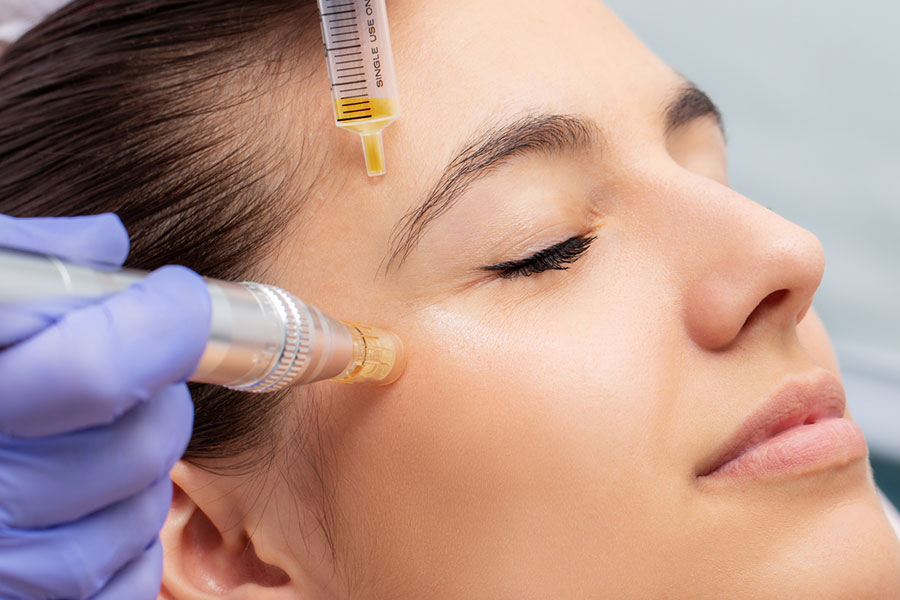
Hair loss can be frustrating, especially for individuals hoping to restore thicker and healthier hair. In recent years, regenerative therapies have become increasingly popular because they focus on stimulating the body’s natural healing processes. One of the most widely discussed options is PRP Hair Treatment, a procedure that uses platelet-rich plasma derived from the patient’s own blood to activate hair follicles and encourage regrowth. Many people considering this therapy often ask how quickly they can expect to see visible improvements. Understanding the treatment timeline and the factors that influence results can help patients set realistic expectations for their hair restoration journey.
Understanding How PRP Therapy Works:
Platelet-rich plasma therapy is based on the regenerative properties of platelets found in human blood. Platelets contain growth factors and proteins that play a key role in tissue repair and cellular regeneration. During the procedure, a small amount of blood is drawn from the patient and processed using a centrifuge to isolate platelet-rich plasma. This concentrated plasma is then injected into areas of the scalp experiencing thinning hair.
The growth factors released by platelets stimulate hair follicles and improve scalp circulation. This process encourages dormant follicles to become active again and supports stronger hair growth cycles.
Important biological effects of PRP therapy include:
-
Activation of weakened or inactive hair follicles
-
Improved blood flow to scalp tissues
-
Strengthening of the hair root and follicle structure
-
Stimulation of collagen production around follicles
These regenerative effects gradually help improve hair density and overall scalp health.
The Typical Timeline for Seeing Results:
Hair growth is a gradual biological process, so results from regenerative treatments do not appear immediately. After the initial treatment sessions, most patients begin to notice subtle improvements as the hair follicles respond to growth factor stimulation.
Dermatologists generally observe the following timeline for treatment results:
-
First few weeks: The scalp begins healing and responding to injected growth factors.
-
Around 2 to 3 months: Patients may notice reduced hair shedding and improved scalp health.
-
Between 3 to 6 months: Visible improvements in hair thickness and density often appear.
-
After 6 months or more: Continued hair growth and stronger follicles may become more noticeable.
Because hair grows in cycles, patience is important when evaluating the success of the treatment.
Why Multiple Treatment Sessions Are Recommended:
Hair restoration specialists often recommend a series of treatment sessions rather than a single procedure. This approach helps maintain a consistent supply of growth factors to the scalp, which supports continuous follicle stimulation.
A typical treatment plan may include:
-
Three to four initial sessions spaced several weeks apart
-
Maintenance sessions performed every few months if necessary
-
Regular scalp evaluations to monitor hair growth progress
Multiple sessions allow dermatologists to gradually strengthen hair follicles and improve long-term outcomes.
Factors That Influence How Quickly Results Appear:
The timeline for visible results can vary from person to person. Several biological and lifestyle factors influence how quickly hair follicles respond to treatment.
Important factors that affect results include:
-
Stage of hair loss, with earlier treatment often producing faster results
-
Overall health and nutrition, which affect hair growth cycles
-
Genetic predisposition to hair thinning
-
Consistency with recommended treatment sessions
-
Quality of scalp health and blood circulation
Patients who begin treatment during the early stages of hair thinning often experience better and faster improvements compared with those who have advanced hair loss.
Signs That the Treatment Is Working:
While visible hair growth may take several months, there are early signs that the treatment is beginning to stimulate follicle activity. Dermatologists often encourage patients to look for subtle changes before expecting dramatic improvements.
Common early signs of progress include:
-
Reduced hair shedding during washing or brushing
-
Improved scalp condition and reduced dryness
-
Slightly thicker hair strands
-
Increased hair volume in thinning areas
These early indicators suggest that hair follicles are responding positively to regenerative stimulation.
Supporting Faster and Healthier Results:
Although regenerative therapy stimulates hair follicles, lifestyle habits also play a significant role in achieving optimal results. Dermatologists often advise patients to adopt healthy routines that support hair growth and scalp health.
Helpful habits that support treatment success include:
-
Maintaining a balanced diet rich in vitamins and minerals
-
Staying hydrated to support overall tissue health
-
Reducing stress levels that may disrupt hair growth cycles
-
Using gentle hair care products that protect the scalp
-
Following all recommended treatment schedules
Combining medical treatment with healthy lifestyle practices helps maximize the effectiveness of hair restoration therapies.
Long-Term Expectations from PRP Therapy:
Hair restoration treatments typically require patience and ongoing care. While some individuals may notice improvements within a few months, full results may take longer as hair follicles gradually strengthen and produce thicker strands.
Many dermatologists recommend PRP Hair Treatment as part of a long-term hair maintenance strategy. Continued treatments and proper scalp care can help sustain results and prevent further hair thinning.
Long-term benefits often include:
-
Stronger and healthier hair follicles
-
Improved hair density and thickness
-
Better scalp circulation and nourishment
-
Slower progression of hair thinning
These long-term improvements make regenerative therapy a valuable option for individuals seeking sustainable hair restoration.
Final Thoughts:
Hair regrowth takes time, and results from regenerative treatments develop gradually as follicles respond to growth factor stimulation. PRP Hair Treatment offers a promising approach for individuals seeking a non-surgical method to improve hair density and strengthen follicle health. While visible changes may take several months, consistent treatment sessions and healthy lifestyle habits can help support long-term hair restoration. By understanding the treatment timeline and maintaining realistic expectations, patients can better appreciate the gradual yet meaningful improvements that PRP therapy can provide.

 skin tightening