Sahu
Sahu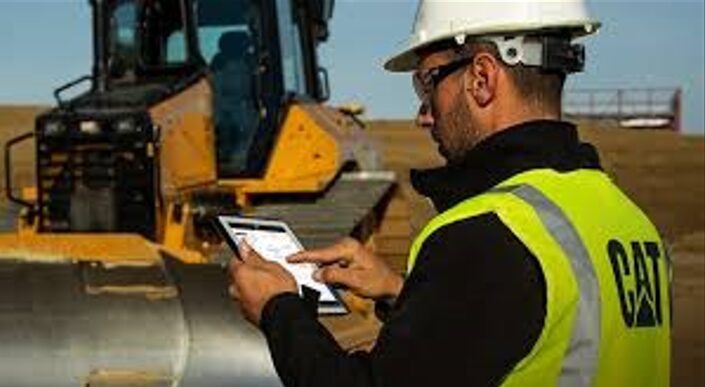
Managing a construction fleet efficiently is crucial for completing projects on time and within budget. With large-scale projects, multiple machines, and various job sites to manage, keeping track of the location, performance, and condition of every piece of equipment can become overwhelming. Traditional methods of fleet management, such as manual tracking and relying on outdated processes, are not enough to keep up with the demands of modern construction.
Thankfully, construction equipment tracking software has made it possible for contractors to monitor their fleet in real-time, ensuring better control and efficiency. With the rise of GPS technology and advanced tracking solutions, construction teams can now have a comprehensive, real-time view of their equipment and fleet operations. This technology allows for better decision-making, improved utilization, and minimized downtime.
In this article, we’ll explore how real-time monitoring through construction equipment tracking software is transforming fleet management in the construction industry and why it’s essential for contractors who want to stay ahead of the competition.
What is Real-Time Fleet Monitoring?
Real-time fleet monitoring refers to the ability to track the location, usage, and condition of construction equipment in real-time. Using construction equipment tracking software integrated with GPS technology and onboard sensors, contractors can instantly access data about their fleet from any location.
Real-time monitoring allows for:
- Location tracking: Monitoring where equipment is on-site or off-site at any given time.
- Usage data: Seeing how often equipment is used, how long it’s in operation, and its current condition.
- Performance insights: Gaining detailed information on fuel consumption, engine hours, and maintenance needs.
This data is typically accessible through a dashboard on a mobile device, tablet, or computer, giving fleet managers complete control and visibility, wherever they are. The real-time nature of the data means that decisions can be made swiftly, reducing delays and improving site operations.
How Real-Time Fleet Monitoring Works
Construction equipment tracking software is powered by GPS tracking devices installed on machinery and equipment. These devices collect data from various sensors that monitor the equipment’s location, usage, and condition.
Key Features of Real-Time Monitoring:
- Live GPS Location Tracking:
Using GPS-enabled trackers, contractors can know the exact location of each piece of equipment at all times. Whether your equipment is on a single job site or spread across multiple locations, you can access real-time data on where each piece is located. - Remote Monitoring and Control:
Construction equipment tracking software allows fleet managers to monitor equipment remotely. Through the software’s interface, managers can view data, receive alerts, and make decisions about the equipment without having to be physically present at the job site. - Sensor Data Integration:
In addition to location tracking, the software can collect and analyze data from sensors embedded in the equipment. These sensors monitor key metrics such as fuel consumption, engine performance, temperature, and hours of operation. This data helps contractors keep track of equipment health and identify potential issues before they lead to breakdowns. - Automated Alerts and Notifications:
Real-time monitoring allows for immediate alerts when something goes wrong. For example, if a machine moves out of a designated area or shows signs of potential failure, the system sends an alert to the fleet manager, who can respond quickly to the situation.
The Benefits of Real-Time Fleet Monitoring for Construction Companies
1. Improved Asset Utilization
Real-time fleet monitoring helps contractors maximize the use of their equipment by ensuring that machines are used efficiently. By monitoring equipment location and usage, managers can identify which pieces of equipment are underutilized and reallocate them to other tasks, reducing idle time and improving productivity.
- Optimal Allocation: Real-time data allows contractors to move equipment from one job site to another as needed, ensuring that machinery is always in use.
- Increased Efficiency: By using equipment more effectively, contractors can reduce downtime and increase the overall productivity of their fleet.
2. Reducing Downtime and Unplanned Maintenance
Downtime on construction sites can be costly, especially when heavy machinery is involved. Construction equipment tracking software helps prevent unexpected downtime by providing real-time data on equipment condition. By monitoring key performance metrics, contractors can schedule maintenance before small issues become major problems.
- Predictive Maintenance: The software can alert you when a machine is due for maintenance, preventing costly breakdowns. Early detection of issues can help prevent emergency repairs and extend the life of the equipment.
- Reduced Equipment Failures: With constant monitoring, contractors can address minor issues, such as low fuel levels or overheating, before they cause equipment failures, keeping projects on schedule.
3. Improved Fleet Security
Construction sites often feature expensive equipment that is vulnerable to theft. Real-time monitoring provides enhanced security by allowing contractors to track the location of equipment 24/7. If a piece of equipment moves off-site or enters an unauthorized area, the system sends an alert, helping contractors respond quickly to potential theft.
- Geo-fencing: Set virtual boundaries around job sites to trigger alerts if equipment is moved out of the designated area.
- Asset Recovery: In the event of theft, real-time GPS tracking allows for quick recovery of stolen equipment.
By integrating construction equipment tracking software, contractors can significantly reduce the risk of theft and ensure that all assets remain secure.
4. Data-Driven Decision Making
With real-time access to equipment data, contractors can make informed decisions based on accurate, up-to-date information. Whether it’s deciding when to schedule maintenance, moving equipment to another site, or evaluating fleet performance, the insights from construction equipment tracking software provide valuable input for decision-making.
- Fuel Consumption Insights: By tracking fuel usage, contractors can identify inefficiencies in equipment operation and reduce fuel costs.
- Performance Reports: The software generates detailed reports on equipment performance, allowing managers to assess the effectiveness of their fleet and make adjustments as necessary.
Having all of this data at your fingertips helps construction teams make smarter decisions, improve efficiency, and cut costs.
5. Better Coordination and Collaboration
Construction projects often involve multiple teams working across different sites. Real-time fleet monitoring allows teams to stay connected, share information, and collaborate more effectively. With instant updates and remote access to data, team members can quickly respond to changes and adapt to new tasks.
- Team Coordination: Managers can coordinate the movement of equipment between job sites, ensuring that resources are available where and when they are needed.
- Remote Monitoring: Teams working in different locations can stay in sync and monitor equipment usage and performance, ensuring that projects progress smoothly.
How Clue Enhances Real-Time Fleet Monitoring
For construction teams looking to improve their fleet management strategy, Clue offers an advanced platform for construction equipment tracking software. With Clue, contractors can track equipment in real-time, monitor usage and performance, and schedule maintenance all in one platform.
Clue integrates GPS tracking, maintenance management, and data analytics into a single, easy-to-use solution, giving contractors the tools they need to optimize fleet operations and improve project outcomes. By using Clue’s real-time monitoring features, construction teams can streamline operations, reduce downtime, and ensure equipment is always in optimal condition.
Final Thoughts
Real-time fleet monitoring is an essential tool for any modern construction company. By using construction equipment tracking software, contractors can increase operational efficiency, improve asset utilization, and reduce downtime. With the ability to track equipment location, usage, and performance in real-time, contractors can make data-driven decisions that improve project outcomes and keep costs under control.
By integrating platforms like Clue, contractors can enhance their fleet management strategy, ensuring their equipment is always functioning at its best. Real-time fleet monitoring provides the transparency and control needed to optimize construction operations and improve overall efficiency.


 superworks Service
 Oscorm Digitals