Jackson Owen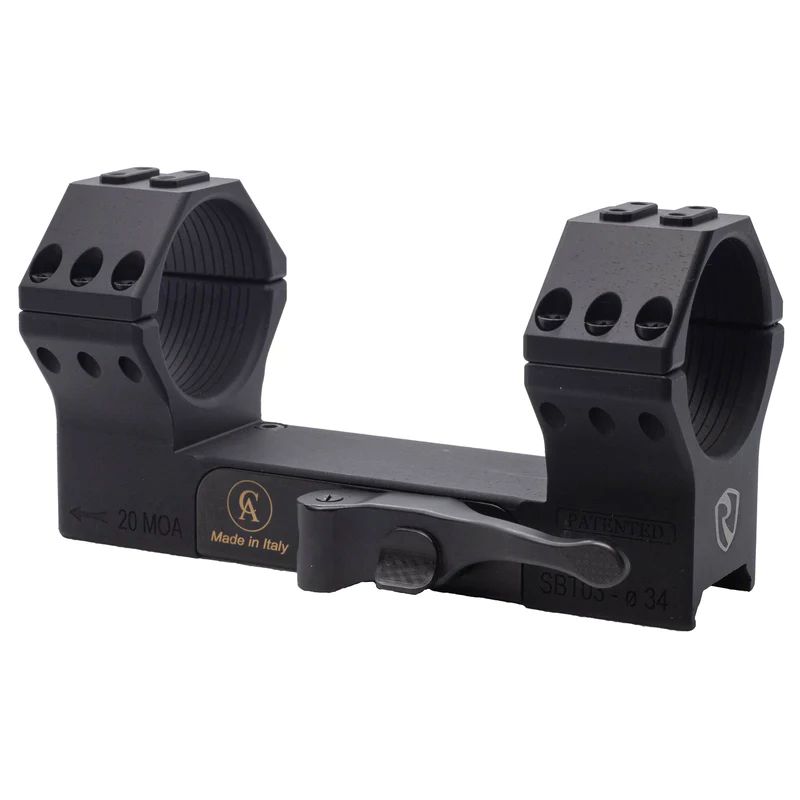
Rifle optics have become a key part of modern shooting and hunting equipment. Whether used for long‑range target shooting or hunting in the field, a scope must be mounted securely to ensure accuracy and reliability. Two important components that make this possible are scope rings and the ring mounting bracket.
These mounting accessories connect the rifle scope to the firearm’s rail system, keeping the optic stable during recoil and repeated firing. For shooters in the United States who use rifle scopes for precision shooting, choosing the right mounting hardware is just as important as selecting the scope itself.
What Are Scope Rings
Scope rings are circular metal mounts designed to hold a rifle scope firmly in place. They clamp around the scope tube and attach to the rifle’s mounting rail or base. By securing the scope to the firearm, the rings help maintain consistent alignment between the optic and the barrel.
Most rifle scopes are designed with standard tube diameters, typically one inch or 30 millimeters. Scope rings are manufactured to match these tube sizes so they can hold the optic tightly without causing damage.
Why Scope Rings Are Important
Properly installed scope rings ensure that the optic remains stable even under heavy recoil. If the rings are loose or poorly fitted, the scope may shift slightly after each shot. This movement can cause the rifle to lose its zero and reduce accuracy.
Quality scope rings also help distribute pressure evenly around the scope tube. This prevents unnecessary stress that could damage the optic or affect its internal components.
For hunters and precision shooters, reliable scope rings are essential because even a small alignment issue can affect long‑range shot placement.
Types of Scope Rings
Several types of scope rings are commonly used by rifle owners.
Low profile rings position the scope close to the rifle barrel, which can help improve cheek weld and shooting comfort.
Medium height rings provide slightly more clearance for larger objective lenses.
High rings are designed for scopes with large objective lenses or rifles with elevated rail systems.
Choosing the correct ring height ensures the scope sits comfortably while maintaining a clear sight picture.
What Is a Ring Mounting Bracket
A ring mounting bracket is the base or structure that attaches scope rings to the rifle’s mounting platform. It connects the rings to the rifle’s rail system, providing a stable foundation for the optic.
Most modern rifles in the United States use standardized mounting systems such as Picatinny or Weaver rails. The mounting bracket connects to these rails and holds the scope rings securely in place.
Benefits of Using a Ring Mounting Bracket
A strong mounting bracket improves stability and alignment. It ensures the scope rings remain properly spaced and aligned with the rifle barrel.
Another advantage is durability. High‑quality mounting brackets are typically made from aluminum or steel, allowing them to withstand recoil and outdoor conditions.
Mounting brackets also make it easier to install or remove optics when necessary. Some designs include quick‑release systems that allow shooters to detach the scope without losing zero.
One‑Piece vs Two‑Piece Mounting Systems
There are two main types of mounting bracket systems used with scope rings.
One‑piece mounts combine both rings into a single structure that attaches to the rifle rail. These mounts are known for their strength and alignment because both rings are fixed in the same base.
Two‑piece mounting systems use separate rings attached individually to the rail. This setup offers more flexibility in positioning the scope along the rail.
Both options are commonly used depending on the rifle type and the shooter’s preferences.
Choosing the Right Scope Mounting Setup
Selecting the right scope rings and mounting bracket requires attention to several factors.
The first factor is scope tube diameter. The rings must match the diameter of the scope tube to ensure a proper fit.
Ring height is another important consideration. The height must allow enough clearance for the scope’s objective lens while still keeping the optic low enough for comfortable shooting.
Material quality also matters. Durable aluminum or steel mounts provide better long‑term reliability and resistance to recoil.
Finally, compatibility with the rifle’s rail system should always be verified. Most modern rifles use Picatinny rails, but some may use Weaver or other mounting platforms.
Proper Installation of Scope Rings
Correct installation plays a major role in optic performance. Improper mounting can lead to misalignment or damage to the scope.
When installing scope rings, shooters should ensure that screws are tightened evenly and according to the manufacturer’s recommended torque specifications. This helps prevent uneven pressure on the scope tube.
After mounting the scope, shooters typically check eye relief and reticle alignment before fully securing the rings.
Once installed, the rifle should be tested at the range to confirm the scope remains stable and properly zeroed.
Conclusion
Both scope rings and a ring mounting bracket are essential components for securely attaching rifle optics. These parts ensure that the scope remains stable, aligned, and capable of delivering accurate results during shooting.


 tiptop einrichtung
 150 backlinks