Tanya Sharma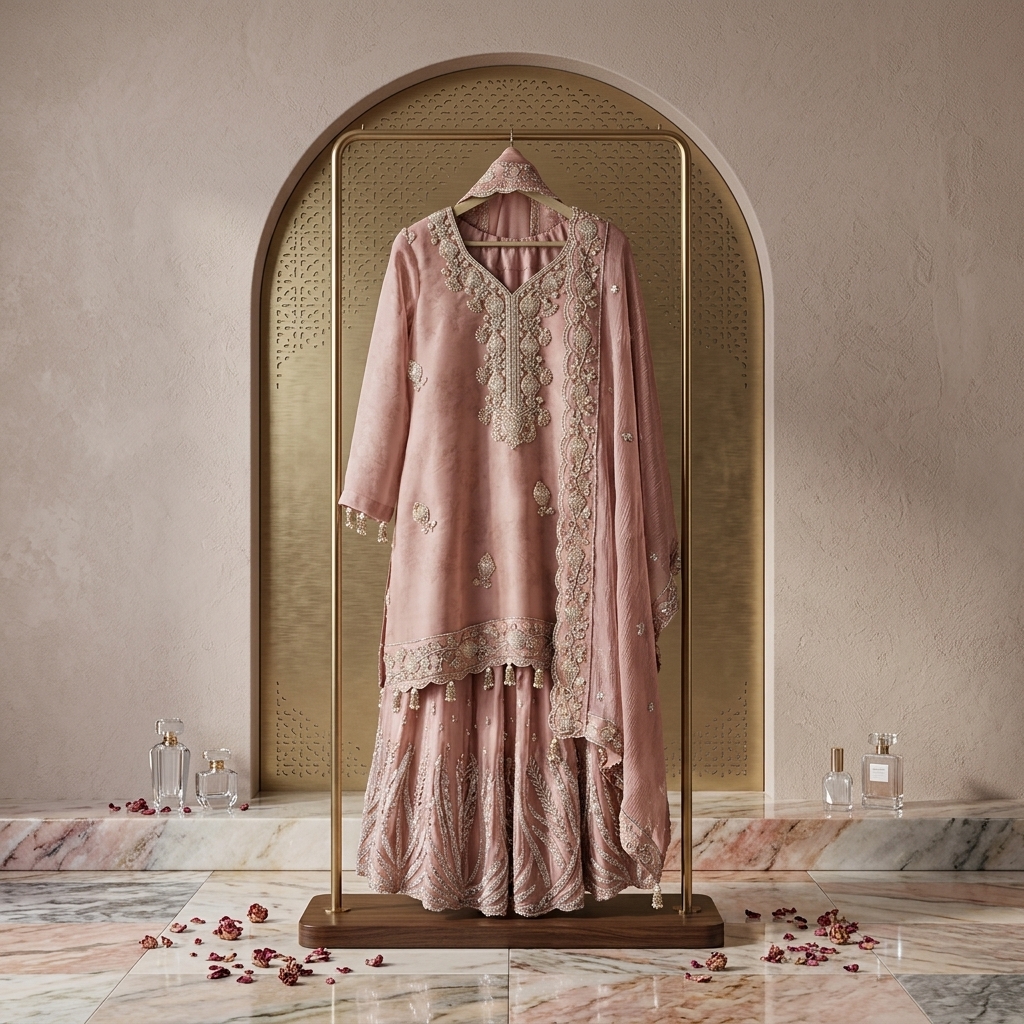
While sarees and lehengas often dominate conversations around Indian ethnic wear, silk suits have quietly remained one of the most reliable, versatile choices in a woman’s wardrobe. Comfortable enough for everyday wear yet elegant enough for festive occasions, silk suits offer a rare combination of practicality and grace. Here’s why they continue to hold their place as a timeless ethnic wardrobe essential.
What Makes Silk Suits Special
A silk suit typically consists of three pieces — the kurta (top), churidar or salwar (bottom), and dupatta (stole) — all crafted from silk or silk-blend fabric. Unlike heavier fabrics like brocade or velvet, silk offers a smooth, flowing drape combined with a natural sheen that elevates even a simple design. This makes silk suits suitable for a far wider range of occasions than many other ethnic wear categories.
Types of Silk Used in Suits
Raw Silk: Known for its textured, slightly nubby finish, raw silk offers a rich, matte look that works beautifully for both formal and semi-formal occasions.
Tussar Silk: Featuring a natural golden sheen and slightly coarse texture, tussar silk suits have become increasingly popular for their earthy, sophisticated appeal, especially in office and daytime festive settings.
Chanderi Silk: Known for its lightweight, sheer quality with a subtle shimmer, chanderi silk suits are ideal for warmer weather and daytime events, offering elegance without heaviness.
Silk Cotton Blends: Combining the richness of silk with the breathability of cotton, these blends are especially popular for everyday and office wear, offering comfort through long working hours.
Art Silk (Synthetic Silk): A more budget-friendly alternative that mimics the look of pure silk, art silk suits offer an accessible way to enjoy the silk aesthetic without the higher price point of natural silk.
Why Silk Suits Work for Every Occasion
Daily and Office Wear: Lighter silk cotton blends or chanderi silk suits in subtle prints or solid colours offer a polished, professional look suitable for workplace settings, especially when paired with minimal embroidery or clean, structured cuts.
Festive Occasions: Suits in richer silk varieties like raw silk or tussar, often featuring embroidery, zari borders, or block prints, work wonderfully for festive family gatherings and puja functions.
Semi-Formal Events: Silk suits with detailed embroidery on the kurta, paired with a contrasting or embellished dupatta, suit semi-formal parties, engagement functions, and evening get-togethers.
Wedding Functions: Heavily embellished silk suits with zari work, sequins, or stone embroidery offer an elegant alternative to lehengas or sarees for wedding-adjacent functions like mehendi or sangeet, particularly for those who prefer a more comfortable silhouette.
Styling Tips for Silk Suits
The versatility of silk suits comes largely from how you style them. For office wear, opt for straight-cut kurtas with minimal embroidery, paired with a simple churidar and a lightweight dupatta draped neatly over one shoulder. For festive or semi-formal occasions, choose suits with an embroidered or printed border, and consider a more elaborate dupatta draping style, such as pleated front draping, to elevate the overall look.
Footwear can also shift the styling significantly — juttis or embellished flats lean traditional and festive, while structured heels or wedges give the outfit a more contemporary, polished edge suitable for office or evening settings.
Colour Considerations
Silk suits in jewel tones like emerald green, royal blue, and deep maroon tend to suit festive and evening occasions particularly well, given how these colours interact with silk’s natural sheen. For daily and office wear, pastel shades or muted tones like beige, dusty rose, and soft grey offer a more understated, professional appeal. Block-printed or subtly patterned silk suits in earthy tones also work well for a versatile, transitional wardrobe piece that moves easily between casual and semi-formal settings.
Caring for Silk Suits
Silk requires gentle handling to maintain its natural sheen and texture over time. Most silk suits, particularly those with embroidery or zari work, are best dry cleaned rather than machine washed. For pure silk pieces without heavy embellishment, a gentle hand wash with mild detergent and cold water can work, though it’s always safest to check the specific care label. Store silk suits away from direct sunlight and in a breathable garment bag to prevent colour fading and fabric damage over time.
Tips for Buying Silk Suits Online
- Check Silk Type Clearly: Since silk suits vary widely between pure silk, silk blends, and art silk, confirm exactly what you’re purchasing, as this significantly affects both price and quality.
- Review Fabric Weight: For daily wear, lighter silk blends are more practical; for festive occasions, richer, slightly heavier silk varieties offer a more elevated look.
- Examine Embroidery and Print Details: Zoomed-in product photos help assess the quality of embroidery, zari work, or prints before purchasing.
- Confirm Size and Stitching Details: Check whether the suit is pre-stitched, semi-stitched, or an unstitched fabric set, and plan accordingly for tailoring needs.
- Read Reviews for Drape and Comfort: Genuine customer feedback often reveals how the fabric feels and drapes in real-world wear, beyond the product photography.
Final Thoughts
Silk suits have earned their place as a timeless ethnic wardrobe staple by offering a rare balance of comfort, versatility, and elegance. Whether you need a polished option for the office, a festive outfit for a family gathering, or a semi-formal choice for an evening event, silk suits adapt easily across settings when chosen thoughtfully. Building a small, well-curated collection of silk suits in varying silk types and colours ensures you always have a reliable, elegant option ready for whatever the occasion calls for.
FAQ’s:
Q1. Are silk suits suitable for daily office wear?
Yes, lighter options like silk cotton blends or chanderi silk suits with minimal embroidery are comfortable and professional enough for daily office wear.
Q2. What’s the difference between raw silk and tussar silk?
Raw silk has a textured, matte finish, while tussar silk carries a natural golden sheen with a slightly coarser texture — both offer distinct, elegant looks.
Q3. Is art silk the same as pure silk?
No, art silk is a synthetic alternative designed to mimic pure silk’s look and feel at a more affordable price point, though it lacks the natural fibre quality of real silk.
Q4. How should I wash a silk suit?
Suits with embroidery or zari work should be dry cleaned; plain, lightweight silk pieces can sometimes be gently hand washed with mild detergent, but always check the care label first.
Q5. Can silk suits be worn for wedding functions?
Yes, heavily embellished silk suits with zari or sequin work make an elegant, comfortable alternative to lehengas for functions like mehendi or sangeet.


 Eknath Girhepunje
 Patent Monetize