Alessandra Conti
South America’s water pump sector is shaped by a wide mix of municipal, agricultural, industrial, and infrastructure needs. Across the region, pumps are used for drinking water distribution, wastewater treatment, irrigation, mining, oil and gas operations, building services, and flood-control systems. As cities expand and industries modernize, efficient pumping equipment is becoming more important for both utility reliability and resource management.
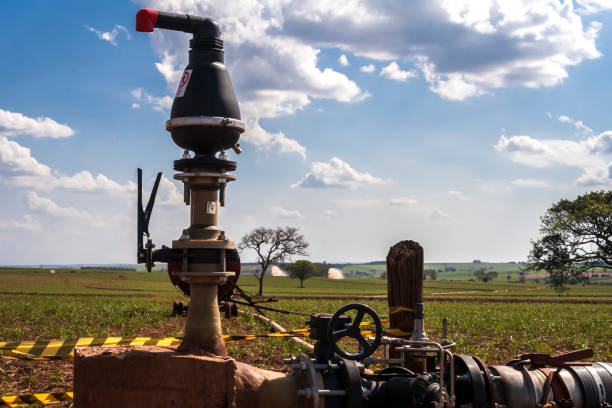
According to MarkNtel Advisors, the South America Water Pump Market was valued at around USD 3.11 billion in 2025 and is projected to grow from USD 3.34 billion in 2026 to USD 4.10 billion by 2032. The industry growth trends indicate a CAGR of 3.48% during 2026–2032, supported by water infrastructure investment, agriculture demand, and industrial fluid-handling requirements.
Urbanization Is Strengthening Municipal Pump Requirements
Urban growth is one of the most consistent factors influencing water pump adoption in South America. Cities require pumps for water intake, pressure boosting, wastewater transfer, drainage, stormwater management, and treatment plant operations. As municipal networks expand or age, utilities must upgrade pumping systems to reduce leakage, improve efficiency, and ensure consistent service delivery.
The World Bank’s water work highlights the close link between water services, public health, economic activity, and climate resilience. In South America, this connection is visible in large metropolitan areas where population growth, informal settlements, and aging utility networks place pressure on water and wastewater systems. Pumping technology therefore remains a practical foundation for urban water reliability.
Centrifugal Pumps Continue to Dominate
Centrifugal pumps represented around 82% of the South America water pump sector in 2025, according to the MarkNtel study. Their dominance reflects their suitability for high-volume fluid transfer across water supply, wastewater treatment, agriculture, construction, and industrial systems. They are widely preferred because of their relatively simple design, efficient operation, and ability to handle varied flow requirements.
This high share also shows that demand is not limited to specialized equipment. Much of the region’s need is tied to dependable, scalable pump systems that can operate across large networks and heavy-duty environments. As utilities and industries seek lower maintenance and better lifecycle performance, centrifugal pump upgrades are expected to remain central to procurement decisions.
Agriculture and Irrigation Add Structural Demand
Agriculture remains a major water-use category across South America, especially in countries with large farming economies. Pumps support irrigation, groundwater extraction, fertigation, drainage, and water transfer for crops and livestock. Climate variability, uneven rainfall, and pressure to improve farm productivity are increasing the need for reliable irrigation infrastructure and efficient water movement systems.
The FAO’s sustainable agriculture guidance emphasizes the importance of resource-efficient farming systems. For South America, pump adoption in agriculture is connected with broader goals such as improving yield stability, reducing water waste, and supporting production in regions where rainfall patterns are becoming less predictable.
Wastewater and Environmental Compliance Are Gaining Attention
Wastewater management is another important area for pump deployment. Treatment plants, sewage networks, sludge systems, and industrial effluent facilities all depend on pumps for continuous operation. As environmental expectations rise, cities and industries need equipment that can handle solids, corrosive fluids, variable flows, and long operating hours.
The UNEP water pollution program underlines the importance of addressing contamination, improving wastewater systems, and protecting freshwater sources. In South America, better wastewater infrastructure can support cleaner rivers, safer communities, and stronger industrial compliance. Pumps are a necessary part of that chain, even when they are not the most visible component.
Energy Efficiency Is Becoming a Purchasing Factor
Pump operation can contribute significantly to energy costs, particularly in municipal utilities, mining operations, irrigation systems, and industrial plants. This is making efficiency a more important factor in equipment selection. Variable frequency drives, improved impeller designs, smart controls, and predictive maintenance systems can help operators reduce energy use and improve reliability.
The International Energy Agency’s energy efficiency work shows how efficiency improvements can reduce costs and support wider sustainability goals. For pump users, this means procurement decisions are increasingly moving beyond upfront price toward total cost of ownership, maintenance requirements, and electricity consumption over the equipment lifecycle.
Water Security and Climate Resilience Will Shape Future Demand
South America faces recurring water-related challenges, including droughts, floods, glacier retreat, and uneven water availability across regions. These pressures affect agriculture, cities, hydropower, mining, and ecosystems. Pumps will continue to play a role in adaptation, from moving water during floods to supporting irrigation during dry periods and maintaining urban supply networks.
The Inter-American Development Bank’s water and sanitation work highlights the importance of reliable infrastructure, financing, and service improvement across Latin America and the Caribbean. As governments, utilities, and industries invest in more resilient systems, South America’s water pump landscape is expected to evolve around reliability, efficiency, and long-term infrastructure performance.


 rahul rahul
 Dean Dean