Goodluck Metal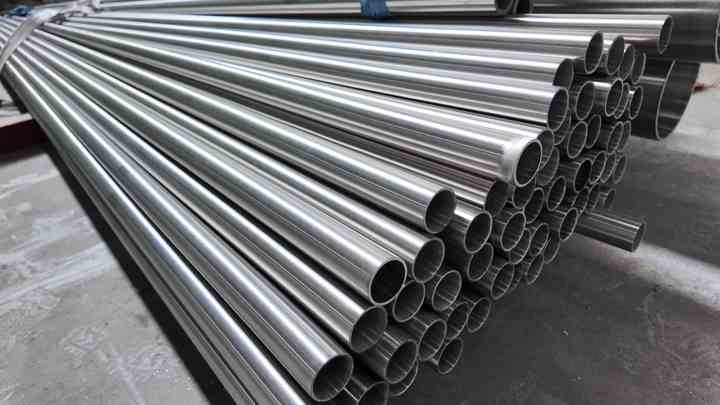
Stainless steel pipes are among the most widely used materials in modern engineering and industrial systems. Known for their excellent corrosion resistance, high strength, and long lifespan, these pipes are essential for transporting liquids, gases, and chemicals across a variety of sectors. Their durability and low maintenance requirements make them a dependable solution for both structural and process applications.
From construction and infrastructure to oil refineries and food processing plants, stainless steel pipes continue to prove their value in demanding environments.
Types of Stainless Steel Pipes
Understanding the different types of stainless steel pipes helps in selecting the right option for specific applications.
Seamless Pipes
Seamless pipes are manufactured without welded joints, offering superior strength and pressure resistance. They are ideal for high-temperature and high-pressure systems where reliability is critical.
Uses:
-
Oil & gas pipelines
-
Boilers and heat exchangers
-
Power plants
-
Chemical processing units
Welded Pipes
Welded pipes are made by rolling stainless steel sheets and welding the seam. They are cost-effective and suitable for low to medium pressure applications.
Uses:
-
Water supply systems
-
Structural frameworks
-
Construction projects
-
General industrial use
ERW Pipes (Electric Resistance Welded)
These pipes are produced using electric resistance welding, ensuring uniform thickness and dimensional accuracy.
Uses:
-
Plumbing
-
Fencing and railings
-
Automotive components
-
Medium-pressure pipelines
Fabricated and Polished Pipes
These pipes are designed for aesthetic or hygienic purposes and are often polished or custom fabricated.
Uses:
-
Architectural structures
-
Handrails and furniture
-
Food and pharmaceutical industries
-
Decorative installations
Common Stainless Steel Grades
Different grades offer different performance benefits:
-
SS 304 – Excellent general corrosion resistance and affordability
-
SS 316 – Enhanced resistance to chemicals, saltwater, and marine environments
-
Duplex Stainless Steel – High strength and superior stress corrosion resistance
-
Heat-resistant grades – Suitable for extreme temperature conditions
Choosing the appropriate grade ensures better efficiency and longer service life.
Applications of Stainless Steel Pipes
Stainless steel pipes are versatile and widely used across multiple industries.
Construction and Infrastructure
Used for structural supports, handrails, and piping systems due to their strength and modern appearance.
Oil & Gas Industry
Suitable for transporting crude oil, natural gas, and petrochemicals because of their pressure tolerance and corrosion resistance.
Chemical and Petrochemical Plants
Ideal for handling aggressive chemicals and acids without degradation.
Food and Beverage Industry
Their non-porous and hygienic surface prevents contamination, making them safe for processing and transport lines.
Water Treatment and Plumbing
Used in clean water supply and wastewater systems due to their durability and rust resistance.
Automotive and Marine Applications
Provide reliability and longevity even under vibration, moisture, and salt exposure.
Key Benefits of Stainless Steel Pipes
-
Strong and durable
-
Excellent corrosion resistance
-
Heat and pressure tolerant
-
Low maintenance
-
Hygienic and easy to clean
-
Long lifecycle and cost-effective
-
Eco-friendly and recyclable
These advantages make stainless steel pipes a smart investment for both short-term and long-term projects.
Conclusion
Stainless steel pipes offer the perfect combination of performance, reliability, and versatility. With multiple types and grades available, they can be tailored to meet the needs of diverse industries and applications. Whether for industrial processing, construction, or hygiene-sensitive environments, stainless steel pipes remain the preferred choice for efficient and long-lasting piping solutions.


 frazie Miller
 Moving Scam Stories