OnPoint TGS Plans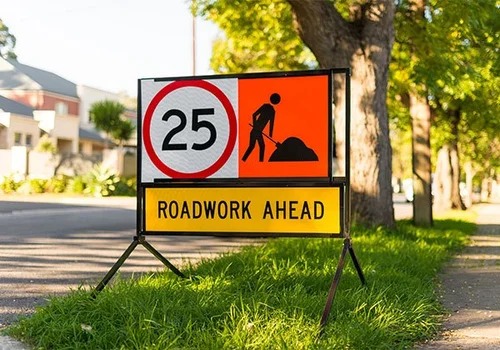
Pedestrian safety is a critical consideration for construction sites, roadworks, events, and any location where people and vehicles interact. Without proper planning, even low-risk areas can quickly become hazardous. That’s where a well-prepared Pedestrian Traffic Management Plan (PTMP) comes in.
This guide walks you through the step-by-step process of creating an effective plan that prioritises safety, compliance, and smooth pedestrian flow.
What Is a Pedestrian Traffic Management Plan?
A Pedestrian Traffic Management Plan is a documented strategy that outlines how pedestrian movement will be safely managed around work zones or high-traffic areas. It identifies risks, control measures, signage, and responsibilities to minimise the chance of incidents involving pedestrians.
In Australia, PTMPs are often required to meet Work Health and Safety (WHS) regulations and local council or road authority guidelines.
Why a Pedestrian Traffic Management Plan Is Important
Pedestrians are among the most vulnerable road users. A clear and structured plan helps to:
- Reduce the risk of injuries and accidents
- Ensure compliance with Australian safety standards
- Maintain safe access to footpaths, crossings, and buildings
- Improve traffic flow for both vehicles and people
- Demonstrate due diligence and professionalism
Whether it’s a short-term project or a long-term construction site, planning ahead can make a big difference.
Step 1: Conduct a Site Assessment
Start by assessing the site thoroughly. Walk through the area and observe how pedestrians currently move through it.
Key factors to identify include:
- Pedestrian volumes and peak times
- Existing footpaths, crossings, and access points
- Vehicle movements and potential conflict zones
- Visibility issues, uneven surfaces, or obstacles
- Nearby schools, shops, or public transport stops
This information forms the foundation of your plan.
Step 2: Identify Potential Risks and Hazards
Once the site assessment is complete, identify risks that pedestrians may face. These could include:
- Interaction with moving vehicles or machinery
- Reduced footpath width or temporary closures
- Poor lighting or visibility
- Slippery or uneven walking surfaces
- Confusing signage or unclear detours
Understanding these hazards allows you to implement targeted control measures.
Step 3: Define Safe Pedestrian Routes
Clear and safe pedestrian pathways are essential. These routes should be logical, well-lit, and easy to follow.
When defining routes:
- Keep pedestrians separated from vehicles where possible
- Provide temporary footpaths or barriers if existing paths are affected
- Ensure access for people with disabilities, prams, and mobility aids
- Avoid unnecessary detours that could encourage unsafe shortcuts
At this stage, your Pedestrian Traffic Management Plan should clearly show all pedestrian routes on a site map.
Step 4: Select Appropriate Control Measures
Control measures help reduce or eliminate identified risks. Common pedestrian control measures include:
- Temporary fencing or barriers
- Bollards or cones
- Zebra crossings or temporary pedestrian crossings
- Speed reduction measures for vehicles
- Traffic controllers at high-risk locations
All measures should comply with relevant Australian Standards and local authority requirements.
Step 5: Install Clear Signage and Communication Tools
Signage plays a crucial role in guiding pedestrians safely through or around work areas.
Effective signage should:
- Be highly visible and easy to understand
- Clearly indicate detours, crossings, and hazards
- Be placed well in advance of changes to pedestrian routes
- Use consistent symbols and language
Good communication reduces confusion and improves compliance from the public.
Step 6: Assign Roles and Responsibilities
A successful plan isn’t just about equipment; it’s also about people.
Clearly outline:
- Who is responsible for implementing the plan
- Who monitors pedestrian safety daily
- Who updates the plan if site conditions change
- Emergency contact details
Training staff and contractors on the plan ensures everyone understands their role in keeping pedestrians safe.
Step 7: Monitor, Review, and Update the Plan
Conditions on-site can change quickly. Regular monitoring is essential to ensure the plan remains effective.
Review your plan when:
- Site layouts or traffic conditions change
- New hazards are identified
- An incident or near miss occurs
- Feedback is received from workers or the public
Ongoing reviews help maintain safety and compliance throughout the project lifecycle.
Final Thoughts
Creating a Pedestrian Traffic Management Plan doesn’t have to be complicated, but it does require careful planning, clear communication, and regular review. By following these steps, you can significantly reduce risk and ensure safer movement for everyone on-site.
For professionally prepared traffic guidance and compliant planning solutions, businesses across Australia trust OnPoint TGS Plans to deliver practical and reliable support tailored to real-world conditions.


 Sofia Carson
 paul walkers