Navimumbaihiims Mumbai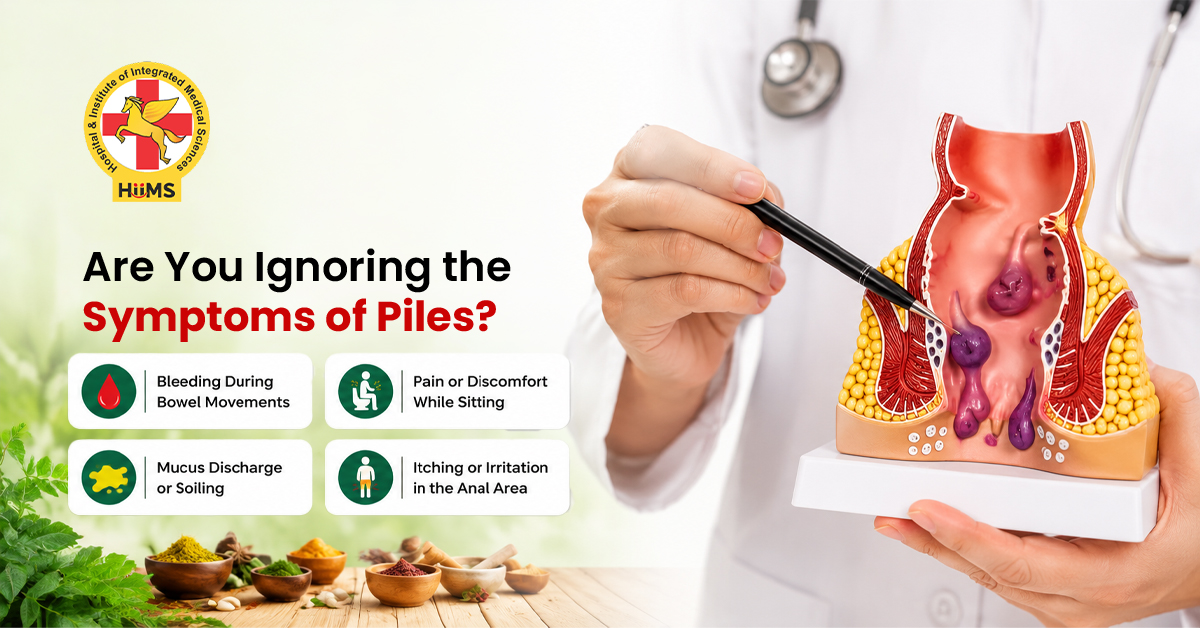
Many people experience discomfort while passing stool but choose to ignore it. A little itching, slight pain when sitting, or a few drops of blood may not seem serious at first. Because these symptoms are often mild, people assume they will disappear on their own. However, overlooking the symptoms of piles can allow the condition to worsen over time.
Piles usually develop gradually rather than suddenly. Constant pressure on the veins around the rectum, often caused by chronic constipation, prolonged sitting, poor eating habits, or excessive straining during bowel movements, can lead to swollen veins. Recognizing the signs early can help you take the right steps before daily activities become uncomfortable.
Understanding the Symptoms of Piles
Piles, also known as hemorrhoids, occur when the veins inside or around the rectum become swollen and inflamed. The symptoms may vary depending on the type and severity of the condition, but some common signs should never be ignored.
Bleeding During Bowel Movements
One of the earliest symptoms of piles is bright red blood noticed after passing stool. The bleeding usually occurs because hard stool rubs against the swollen veins, causing minor tears. Since this bleeding is often painless, many people delay seeking medical advice.
Swelling or Small Lumps Around the Anus
As piles progress, you may notice soft lumps or swelling around the anal area. These swollen veins may become tender and uncomfortable, especially after prolonged sitting or bowel movements.
Persistent Itching and Irritation
Continuous itching around the anal region is another common symptom. Swollen tissues may produce mucus that irritates the surrounding skin, leading to ongoing discomfort throughout the day.
Pain While Sitting
Sitting for long periods may become uncomfortable when piles are inflamed. Pressure on the swollen veins can cause aching or throbbing pain, making office work, driving, or other daily activities difficult.
Feeling of Incomplete Bowel Emptying
Many people with piles experience a constant sensation that the bowel has not emptied completely. This often leads to repeated straining, which further increases pressure on the swollen veins and worsens the condition.
If these symptoms of piles occur frequently, it is important not to ignore them. Early care can help prevent further discomfort and complications.
Why Constipation Increases the Risk of Piles
Constipation is one of the leading causes of piles. When stools become hard and dry, excessive straining is needed during bowel movements. This repeated pressure weakens the veins in the rectal area over time.
Poor hydration, a low-fibre diet, and a sedentary lifestyle often contribute to constipation. Sitting for long hours also slows digestion, making bowel movements more difficult and increasing the risk of piles.
Simple Dietary Habits That May Help
Making healthy dietary changes can support digestive health and reduce pressure during bowel movements.
- Eat fibre-rich fruits such as papaya, bananas, apples, and pears.
- Include vegetables, whole grains, and legumes in your daily meals.
- Drink enough warm water throughout the day to help soften stools.
- Limit refined flour products, processed foods, and excessive spicy foods.
- Add a small amount of pure cow’s ghee to meals if suitable for your diet to support smoother bowel movements.
These simple habits may help improve digestion and reduce discomfort naturally.
When Should You Seek Professional Piles Treatment?
Lifestyle changes may improve mild symptoms, but persistent pain, frequent bleeding, or increasing swelling should be evaluated by a healthcare professional. Early consultation can help prevent complications and determine the most appropriate treatment.
At Jeena Sikho HiiMS, Ayurvedic care focuses on improving digestive health and addressing the underlying causes of piles through personalized treatment approaches. Depending on the individual’s condition, therapies may include:
Basti Therapy
An Ayurvedic medicated enema that aims to support colon health, relieve constipation, and promote healthy bowel function.
Sitz Bath
A warm herbal sitz bath may help soothe irritation, reduce discomfort, and support healing of the affected area.
Kshar Sutra Therapy
Kshar Sutra is a traditional Ayurvedic parasurgical procedure that is commonly used for selected anorectal conditions under expert medical supervision.
Conclusion
Ignoring the symptoms of piles can allow a manageable condition to become increasingly painful and disruptive. Paying attention to early warning signs, improving your diet, staying hydrated, and maintaining healthy bowel habits can support better digestive health.Ready to take the first step toward better health? Book an Appointment with the experts at Jeena Sikho HiiMS.
If your symptoms continue despite lifestyle changes, consulting experienced professionals can help you find the most appropriate treatment. Jeena Sikho HiiMS provides personalized Ayurvedic guidance that focuses on improving digestive wellness and supporting long-term health through natural, holistic care.


 enfield abudhabi
 sophia john